Xieyi Painting as a Form of Personal Expression
|
Xieyi painting is a deeply personal form of expression, allowing artists to share their inner world, their feelings, their thoughts, and their experiences through the language of ink and brush. Each artwork is a unique reflection of the artist’s individual vision and understanding of the world. It’s a window into the artist's inner life. 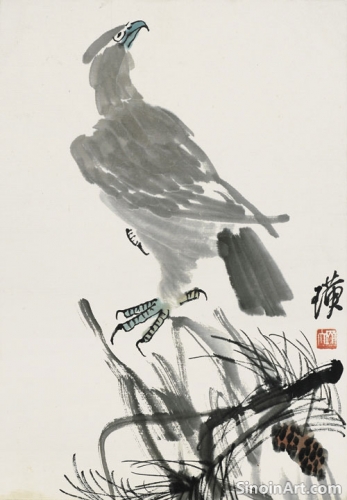 Unlike more representational styles of painting, Xieyi encourages the artist to interpret their subject matter freely, expressing their personal perspective and creating artworks that are highly individual. It’s not about creating a photographic likeness, but something entirely more personal. 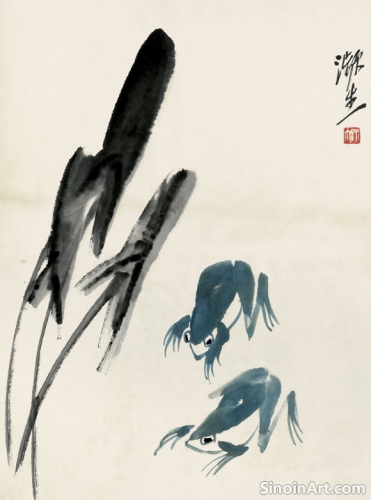 The artist's personality, experiences, and emotions are all reflected in their brushstrokes, ink washes, and overall composition. Even subtle variations in technique can reveal a great deal about the artist’s inner landscape. This is the deeply expressive nature of Xieyi. The artist leaves a personal imprint on their artwork.  Xieyi painting can also be a form of self-discovery, allowing artists to explore their inner world and to express aspects of their personality that may not be expressed in other areas of life. The practice of painting becomes an act of self-reflection. The journey of artistic development is also a journey of self-discovery. The freedom and spontaneity of Xieyi allow the artist to experiment, to take risks, and to find their own unique voice within the tradition. The art form allows for great personal expression and individualistic interpretation of the tradition. This capacity for personal expression is a central value of Xieyi. |
Tag : Personal expression, individual art, inner world, expressive art, unique vision
Related information
- Xieyi Painting and the Concept of "Jing Jie"
- The Concept of "Shu Qie" in Xieyi
- The Legacy of Xieyi: From Tradition to Innovation
- The Importance of Practice in Xieyi
- Xieyi Painting and the Depiction of Water
"Jing Jie" (realm) in Xieyi refers to the artist's pursuit of spiritual enlightenment, transcending technical skill to achieve a deeper understanding of themselves, their subject, and the universe, emphasizing intuition, spontaneity, and interconnectedness as they strive for artistic and spiritual transformation.
"Shu Qie" (the written and the carved) emphasizes the connection between calligraphy and seal carving, influencing Xieyi through shared qualities of line, form, expression, and the use of seals, all of which combine to highlight the holistic nature of Chinese art, and inform the artistic process.
This article traces the legacy of Xieyi painting from its origins in the Song Dynasty to its continuous evolution through subsequent dynasties, exploring its transformation from a tradition to a vibrant contemporary practice.
Dedicated and consistent practice is essential for mastering Xieyi painting, developing technical skills, intuition, and spontaneity, while also fostering patience, perseverance, and a deeper understanding of the art form's philosophy and aesthetics, transforming the practice into a form of self-discovery.
Water is a versatile subject in Xieyi, depicted through washes and expressive brushstrokes to convey fluidity, transparency, movement, and its symbolic connection to life, change, and nature, adding atmosphere and depth to landscape paintings, with varied forms representing a spectrum of feeling and power.