Xieyi Painting and the Depiction of Water
|
Water, in all its forms, is a powerful and versatile subject in Xieyi painting, often depicted to convey a range of emotions, moods, and philosophical ideas. From flowing streams to vast oceans, water offers endless possibilities for artistic expression within the Xieyi tradition. It is a complex subject, and it is a constant source of inspiration.  The use of ink washes allows the artist to create a sense of fluidity, transparency, and the reflective qualities of water. The effects can be subtle and nuanced, highlighting the ephemeral nature of this important element. The techniques of blending ink and washes are particularly effective for capturing the true nature of water. 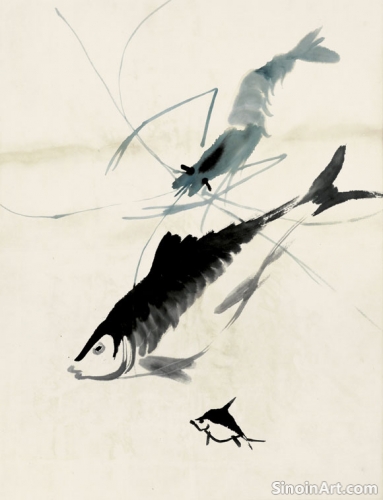 Different brushstrokes can suggest the movement of water, from the gentle flow of a river to the crashing waves of an ocean. The artist must have a deep understanding of brush control to capture these different states and the varied forms of water. The application of the brushstroke is just as important as the application of ink to the page. 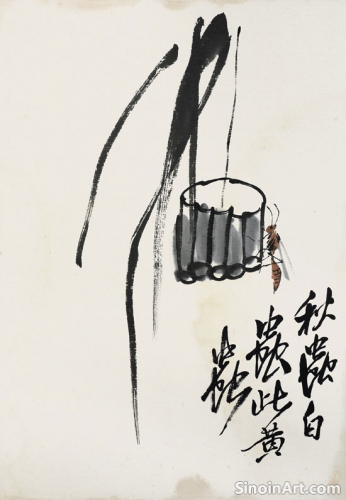 The depiction of water is not just about capturing its physical form, but also about conveying its symbolic meaning, such as its connection to the flow of life, the concept of change, and the transformative power of nature. The symbolic nature of water, as the source of life, makes it a particularly powerful subject. Water is also often used to create a sense of atmosphere and depth in a landscape painting, allowing the artist to convey a sense of distance, vastness, and the interconnectedness of all things. It connects all things together and creates a sense of dynamism within the composition. |
Tag : Water painting, ink wash water, fluid art, nature depictions
Related information
- Xieyi Painting and the Concept of "Ziran"
- Xieyi Painting and the Concept of "Gu Yi"
- Xieyi Painting as a Form of Personal Expression
- Xieyi Painting and the Concept of "Yuan Qi"
- The Use of "Side Brush" in Xieyi
"Ziran" (naturalness) is a cornerstone of Xieyi painting, emphasizing effortless ease, rejection of artificiality, and a profound connection with the natural world, requiring an understanding of materials and authenticity in personal expression, allowing the art process to unfold organically.
"Gu Yi" (ancient intention) in Xieyi emphasizes an artist's engagement with tradition, seeking to absorb the spirit and principles of past masters, studying their techniques and cultural context to create work that honors the legacy of the art form and contributes to its ongoing evolution.
Xieyi painting is a deeply personal form of expression, allowing artists to share their inner world, interpret their subject matter freely, and create unique artworks that reflect their individual vision, emotions, and experiences, making it a vehicle for both artistic expression and self-discovery.
"Yuan Qi" (original vital energy) is a core concept in Xieyi, representing the fundamental creative energy of the universe, pursued by artists aiming to capture the inner essence and inherent vitality of their subjects, requiring balance, mindfulness, and a deep connection with nature, imbuing their works with a sense of purpose and powerful intent.
The "Side Brush" (cèfēng) technique in Xieyi involves holding the brush at an angle to create strokes with distinct texture and varying width, allowing for greater expressiveness, dynamism, and effective depiction of textured surfaces and movement, a crucial skill for any Xieyi painter.