The Importance of Practice in Xieyi
|
Consistent and dedicated practice is essential for any aspiring Xieyi painter. Mastering the techniques of brushwork, ink control, and composition requires years of study and the commitment to hone one's skills. It is not enough to understand the theory, the techniques must be internalized through repetition. 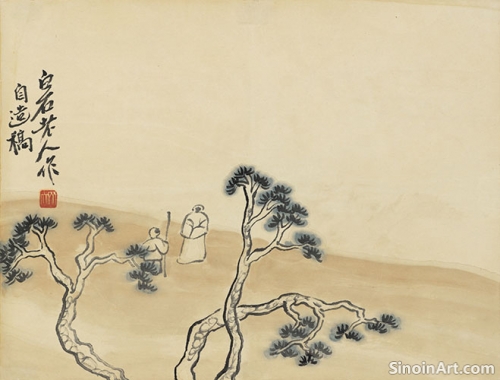 The practice of Xieyi is not just about improving one's technical skills; it is also about developing a deeper understanding of the philosophy, aesthetics, and cultural traditions of the art form. The more one practices, the more one comes to appreciate the deeper meanings. 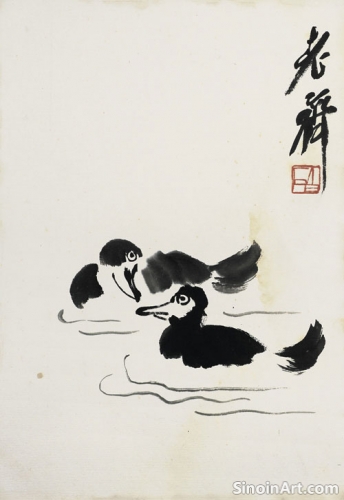 Regular practice helps to develop the artist's intuitive skills and to cultivate a sense of spontaneity. It's not enough to plan each stroke; practice helps the artist to find that balance between planning and intuition, between preparation and freedom. This balance is critical for expressive work. 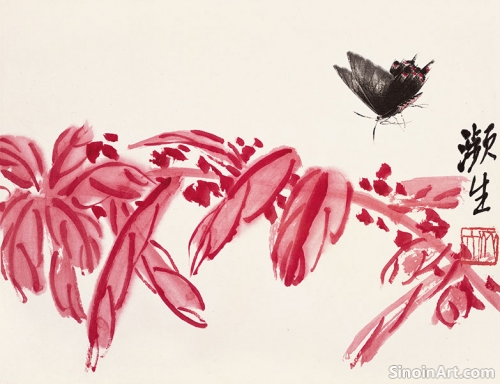 The process of practice also teaches the artist patience, perseverance, and the ability to learn from mistakes. The artist learns to see these as opportunities for growth and exploration, not as reasons for failure. The act of painting becomes a form of self-discovery. The act of practice becomes a form of meditative ritual. It is a way for the artist to connect with their inner self, the materials, and the subject. Through consistent practice, one's technical abilities can be refined, and the artist can begin to express their unique vision and voice. It is a process of continuous growth and artistic self-discovery. |
Tag : Xieyi practice, art learning, brushwork training, consistent art, artistic development
Related information
- The "Three Perfections" in Xieyi
- The Future of Xieyi Painting
- Xieyi Painting and the Concept of 'Yi'
- The Use of "Broken Ink" in Xieyi
- Learning Xieyi Painting: A Path of Practice
The "Three Perfections" (sānjué) – poetry, calligraphy, and painting – represent the holistic literati ideal, emphasizing the integration of these three art forms as a complete expression of the artist's personal feeling, thought, and their connection to tradition, with calligraphy’s influence often seen in Xieyi’s brushwork.
The future of Xieyi painting is bright, with contemporary artists expanding its boundaries, exploring new mediums, embracing social themes, and sharing their work globally, while the art form's ability to connect emotionally ensures its continued vitality and relevance.
'Yi' is a central concept in Xieyi painting, referring to the inner intent, meaning, and spirit that the artist aims to convey, emphasizing intuitive expression, suggestive imagery, and the viewer's active participation in interpreting the artwork.
"Broken Ink" (pòmò) is a key technique in Xieyi painting, involving layering wet ink to create rich and varied tones, depth, atmosphere, and a sense of spontaneity, reflecting a controlled approach to the unpredictable nature of ink and water, adding visual texture and depth.
Learning Xieyi painting involves mastering basic brushstrokes, observation of nature, studying old masters, developing a personal style, and cultivating patience and persistence. It is a process that blends technical skill with personal growth and understanding.