Xieyi Painting and the Use of "Boneless Technique" ( Mògǔ)
|
The "Boneless Technique," or mògǔ (沒骨), is a distinctive approach in Xieyi painting, characterized by the absence of outlines, instead using washes of ink and color to create form and define the subject. The ink is applied directly to the paper to create form, often layered and blended. This technique focuses on color and ink washes, with no outlines to define the forms. 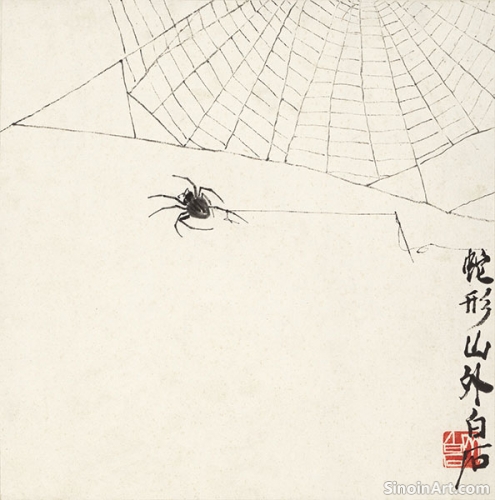 The "boneless technique" relies on the artist's skill in blending and layering washes, creating a sense of depth, volume, and texture using only ink and colors. It requires a masterful level of control over the mediums. The blending and layering techniques have to be precisely executed to achieve the desired effects. 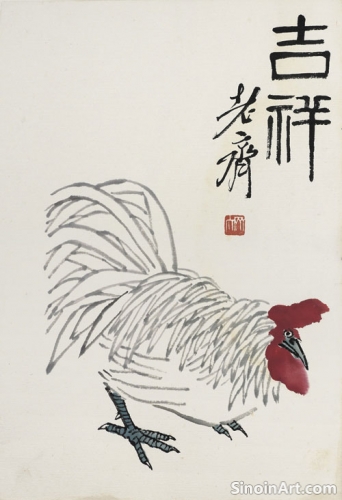 This technique often results in artworks that appear more fluid and organic, as the forms seem to emerge naturally from the ink and colors. The lack of hard lines emphasizes the fluidity of the ink and the organic feel of the subject. It has a natural and spontaneous feeling.  The mògǔ technique requires a strong sense of spatial awareness and an understanding of how different tones and colors will interact on the paper. The artist must have a strong sense of control and a good understanding of the color blending process. It requires an advanced level of skill to execute correctly. While the boneless technique seems simple, it requires a mastery of the materials and the artistic process. It is a challenging but extremely effective and rewarding technique to use in the Xieyi tradition. The effects are always subtle, but the impact is powerful and highly expressive. |
Tag : Boneless technique, Mogu, no outline, ink wash, Chinese art method
Related information
- The Use of "Broken Ink" in Xieyi
- Early Development of Xieyi: Song and Yuan Dynasties
- Xieyi Painting and the Concept of "Ziran"
- The Legacy of Xieyi: From Tradition to Innovation
- Xieyi Painting and the Influence of Nature
"Broken Ink" (pòmò) is a key technique in Xieyi painting, involving layering wet ink to create rich and varied tones, depth, atmosphere, and a sense of spontaneity, reflecting a controlled approach to the unpredictable nature of ink and water, adding visual texture and depth.
The roots of Xieyi painting can be traced back to the Song Dynasty (960-1279), when scholar-officials began to develop a distinctive style of painting that reflected their unique values and aesthetics. The emphasis shifted from courtly patronage to individual expression, setting the stage for the emergence of Xieyi.
"Ziran" (naturalness) is a cornerstone of Xieyi painting, emphasizing effortless ease, rejection of artificiality, and a profound connection with the natural world, requiring an understanding of materials and authenticity in personal expression, allowing the art process to unfold organically.
This article traces the legacy of Xieyi painting from its origins in the Song Dynasty to its continuous evolution through subsequent dynasties, exploring its transformation from a tradition to a vibrant contemporary practice.
Nature serves as the primary inspiration for Xieyi painting, influencing subject matter, aesthetic principles, and the pursuit of qi. Artists aim to capture the essential spirit and dynamism of the natural world, fostering a harmonious relationship with it through their artistic practice.