Xieyi Painting and the Influence of Nature
|
Nature is the primary inspiration for Xieyi painting, serving as both a source of subject matter and a guide to aesthetic principles. Artists seek to capture the essence of the natural world, expressing their personal relationship with landscapes, plants, and animals through the language of ink and brush. This connection with nature is core to the art form. 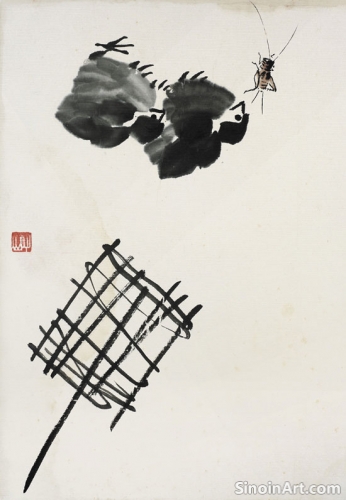 The concept of "Shan Shui" (mountain-water), which is fundamental to Chinese landscape painting, strongly influences Xieyi. Artists emphasize the harmony between humanity and nature, seeking to convey the grandeur, dynamism, and vital energy of the natural world. This sense of harmonious interaction is key to the art’s expression. 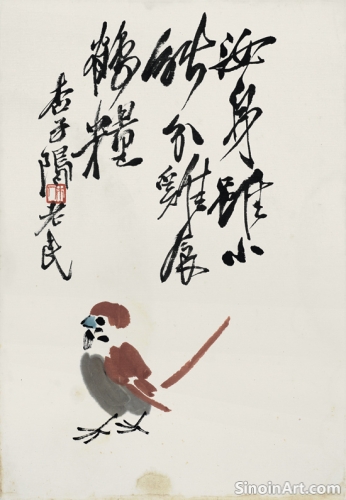 Observation of nature is a key element in the practice of Xieyi. Artists spend countless hours observing the forms, textures, and movements of the natural world, learning to distill the complexity of nature into simplified, suggestive brushstrokes. The observation of nature provides the vocabulary for artistic expression. 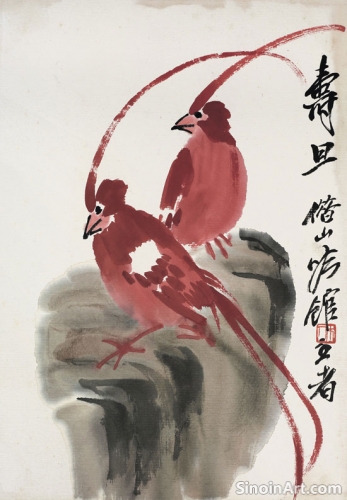 Xieyi painters are not merely trying to create realistic depictions of nature; they are seeking to capture its inner spirit, its qi, or vital energy. This is expressed through the expressive brushstrokes and the way the ink flows on the paper. The goal is not to copy nature but to express its essence. The act of painting becomes a form of communion with nature, allowing the artist to connect with the deeper rhythms and cycles of the universe. The process itself becomes a form of meditation, drawing the artist into the natural world. The art becomes an expression of the artist’s inner landscape, harmonized with the greater world. |
Tag : Nature in art, Shan Shui painting, Chinese landscape, natural elements, Xieyi inspiration
Related information
- Key Techniques in Xieyi Brushwork
- Xieyi Painting and the Concept of "Intention Before the Brush"
- Xieyi Painting and the Appreciation of Imperfection
- Xieyi and the Influence of Poetry
- The Connection Between Xieyi and Chinese Gardens
Key techniques in Xieyi painting include line drawing, splashing ink (Pomo), dry brush work, the control of ink washes, and the strategic use of negative space, each contributing to the expressive power of the artwork.
"Intention Before the Brush" (yi zai bi xian) is crucial in Xieyi painting, emphasizing that the artist's vision, emotional state, and purpose should guide their brushstrokes, requiring thoughtful preparation and planning while valuing spontaneity, imbuing the artwork with inner spirit and emotional truth.
Xieyi painting embraces imperfection as a source of beauty and reflects the spontaneity of the natural world, valuing the unpredictable nature of ink and brushstrokes, the unique hand of the artist, and the philosophy of Daoism, inviting viewers to appreciate the process and the authentic human element within the artwork.
Xieyi painting is profoundly influenced by poetry, with literati artists integrating verse into their paintings, applying similar principles of rhythm and expression, and using symbolic imagery to convey complex ideas and personal feelings, emphasizing the interconnectedness of these art forms.
Xieyi painting and traditional Chinese gardens share a focus on naturalness, harmony, strategic use of negative space, and asymmetry, both creating microcosms of nature that foster contemplation, reflection, and a deeper connection to nature and the human spirit, displaying shared design principles and underlying goals.