The Use of "Broken Ink" in Xieyi
|
"Broken Ink" (pòmò 破墨) is a technique in Xieyi painting that involves applying multiple layers of ink on top of each other, often while the previous layers are still wet. This method allows the colors to blend and interact in a spontaneous and unpredictable way, creating rich, varied tones and textures. The layers add an element of complexity and depth. 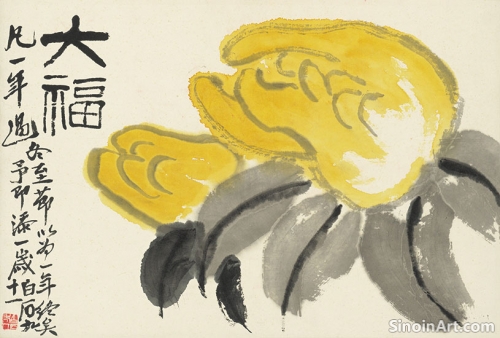 The layers are not applied randomly; artists aim for a sense of control and intentionality, carefully considering how the different layers of ink will interact with one another. The effects created by broken ink are intended, and the result of a conscious decision. This planned layering is part of the skill of Xieyi. 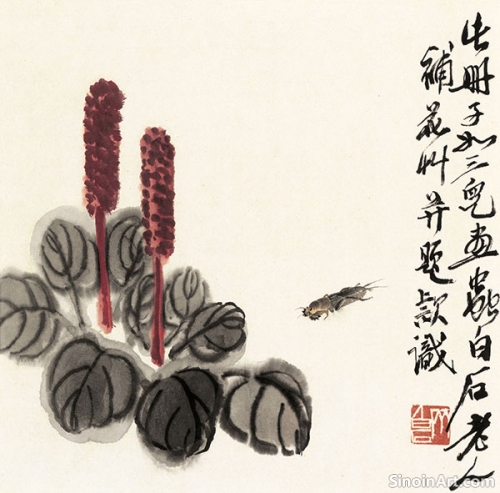 The use of "broken ink" creates a sense of depth and atmosphere, making it especially effective for depicting landscapes and natural scenes. It creates a natural and organic feeling that is highly valued in Xieyi painting. It recreates the complexity and depth found in nature.  This technique also allows the artist to embrace spontaneity, the unpredictable nature of the interaction of ink and water adding a dynamic element to the artwork. There is a deliberate effort to make the most of the organic spread of ink. It is this spontaneity that is a hallmark of the Xieyi technique. The careful and intentional application of "broken ink" creates a visual richness and texture that is difficult to achieve with other methods. This gives the paintings a complexity that adds to their visual interest. It is a unique expression of the relationship between ink and water. |
Tag : Broken ink technique, Pomo, layering in art, Xieyi texture, ink wash layering
Related information
- The Future of Xieyi Painting
- The Significance of Composition in Xieyi
- Contemporary Xieyi Artists to Explore
- Xieyi and the Concept of Spontaneity
- The Role of Color in Xieyi: Subtlety and Emphasis
The future of Xieyi painting is bright, with contemporary artists expanding its boundaries, exploring new mediums, embracing social themes, and sharing their work globally, while the art form's ability to connect emotionally ensures its continued vitality and relevance.
Composition, including the strategic use of negative space, asymmetrical balance, and flowing lines, is vital in Xieyi painting, guiding the viewer's eye, creating a sense of harmony, and supporting the artist's intention, despite the art form's seemingly spontaneous nature.
Exploring the work of contemporary Xieyi artists reveals the ongoing evolution of this tradition, with artists incorporating abstraction, exploring social and political issues, experimenting with new techniques, and maintaining a connection to its core principles, thereby expanding the boundaries of the art form and ensuring its continued relevance in the modern world.
Spontaneity is crucial in Xieyi painting, reflecting the emphasis on intuition, direct experience, and the expression of immediate feelings, allowing the artist to embrace imperfections and work in the moment, aligning with the principles of Chan Buddhism.
While often associated with monochromatic ink washes, color plays a significant role in many Xieyi paintings. When color is used, it is often applied subtly, with careful consideration for how it can enhance the overall composition. Color serves not as a literal depiction of reality but as an expressive tool that accentuates the subject’s spirit.