Early Development of Xieyi: Song and Yuan Dynasties
|
The roots of Xieyi painting can be traced back to the Song Dynasty (960-1279), when scholar-officials began to develop a distinctive style of painting that reflected their unique values and aesthetics. The emphasis shifted from courtly patronage to individual expression, setting the stage for the emergence of Xieyi. 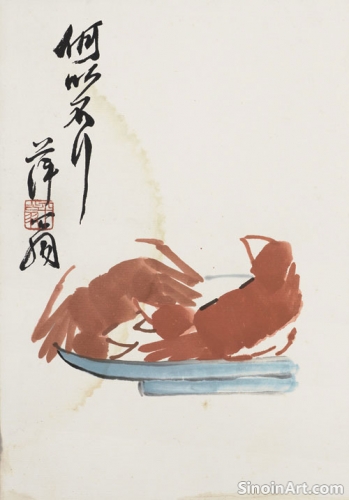 During the Song period, artists such as Su Shi (苏轼) and Wen Tong (文同) began to experiment with ink wash techniques and brushwork that emphasized spontaneity and personal feeling. Their works captured the essence of nature through expressive, often minimalist, brushstrokes. 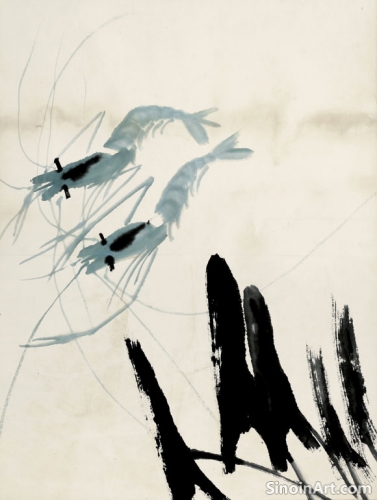 The Yuan Dynasty (1271-1368) saw further development of the Xieyi style. Many Chinese artists, who were then excluded from government positions, devoted themselves to painting. This led to the flourishing of literati painting, as well as further experimentation with expressive forms of ink and brushwork. 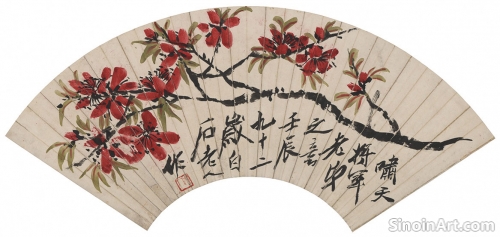 Artists like Zhao Mengfu (赵孟頫) and Ni Zan (倪瓒) further refined the style, incorporating calligraphic principles into their painting and focusing on the inner spirit of the subject. Their works showcase the importance of simplicity and emotional resonance. The Song and Yuan Dynasties were crucial periods for laying the foundation for Xieyi painting, establishing its defining characteristics and setting the stage for later developments. The literati's focus on individual expression and inner insight created a unique art form that resonated throughout history. |
Tag : Xieyi Painting Development, Song Dynasty Xieyi, Yuan Dynasty Literati Painting, Early Chinese Ink Wash, Brushwork in Song and Yuan Art
Related information
- Appreciating and Collecting Xieyi Paintings
- The Influence of Literati Painting on Xieyi
- The Legacy of Xieyi: From Tradition to Innovation
- Xieyi Flowers and Birds: Expressing Life’s Vitality
- Xieyi Painting and the Use of "Light Ink"
Appreciating and collecting Xieyi paintings requires an understanding of its aesthetics, symbolism, brushwork, and the artist's personal expression. Considerations when collecting include authenticity, provenance, and proper care and storage to preserve these delicate works.
Xieyi painting is deeply influenced by the tradition of literati painting, emphasizing personal expression, calligraphic brushwork, the blending of poetry and painting, and the pursuit of simplicity and naturalness.
This article traces the legacy of Xieyi painting from its origins in the Song Dynasty to its continuous evolution through subsequent dynasties, exploring its transformation from a tradition to a vibrant contemporary practice.
The depiction of flowers and birds (花鸟画, huaniao hua) is another important theme in Xieyi painting, serving as a way to express life's vitality and beauty. Artists seek not just to portray the outward appearance of these subjects, but also to convey their inherent energy and spirit.
"Light Ink" (dànmò) is essential in Xieyi painting, using diluted ink to create subtle tones, soft washes, atmosphere, depth, and delicate transitions, requiring a mastery of brush control, ink dilution, layering, and a delicate touch to convey a sense of quiet beauty.