Xieyi Painting and the Depiction of Landscapes
|
Landscapes, or shānshuǐ (山水 - literally "mountain-water"), are a central theme in Chinese art and particularly well-suited to the expressive nature of Xieyi painting. Through the use of ink washes, suggestive brushstrokes, and a profound understanding of nature, the artist seeks to convey the essence of the landscape, its atmosphere, and its inner vitality. It’s not merely depicting a landscape; it’s also expressing its inner essence. 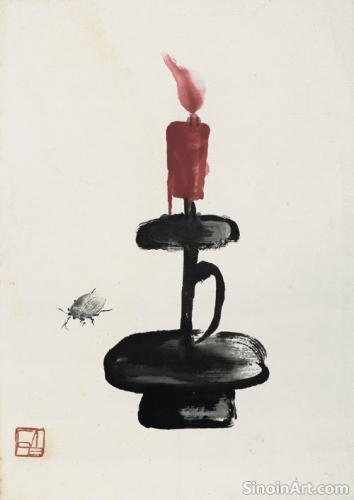 Xieyi landscape paintings often emphasize the grandeur and vastness of the natural world, using bold brushstrokes and expansive washes to create a sense of scale and depth. The art seeks to replicate the majesty and power of nature. It reflects the artist’s feeling for the land. 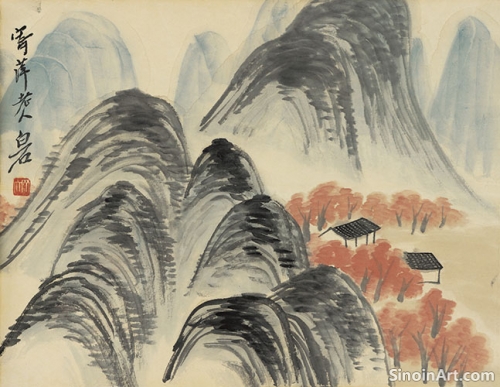 The use of negative space is also crucial in depicting landscapes, suggesting clouds, mist, and the vastness of the sky. The interplay between ink and empty space is what creates much of the beauty and the feeling of the landscape. It’s not just what is painted but also what is left unpainted. 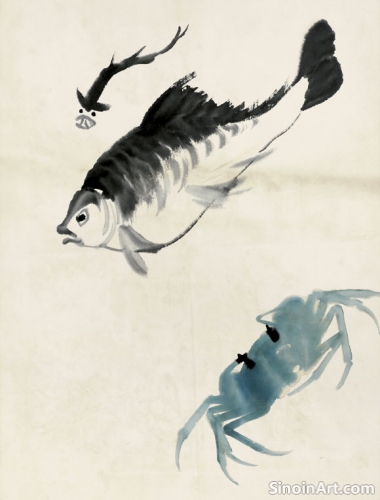 Xieyi landscape painters often focus on capturing the qi (vital energy) of the landscape, imbuing their works with a sense of movement, dynamism, and life force. The aim is to capture not just the visual appearance but also the living spirit of the scene. The painting should feel like a living, breathing landscape. The depiction of landscapes is not just about creating beautiful scenery; it is also a way for the artist to connect with the natural world and to express their understanding of the Tao, or the way of the universe. The act of painting becomes a means of seeking a personal understanding of nature. The landscape becomes a doorway to personal understanding. |
Tag : Chinese landscape, ink wash landscapes, mountain-water, Xieyi nature
Related information
- Xieyi Painting as a Means of Meditation
- The Significance of Brushwork in Xieyi Painting
- Xieyi Painting and the Influence of Nature
- The Role of the Inkstone in Xieyi
- The Use of Ink and Water in Xieyi Technique
The practice of Xieyi painting serves as a form of meditation, fostering mindfulness, focus, and a sense of connection with the inner self, nature, and the creative process, allowing artists to express inner feelings, explore personal growth, and find a sense of peace and balance.
Brushwork is at the heart of Xieyi painting, serving as the primary means of artistic expression. The brush is not merely a tool; it is an extension of the artist’s hand and emotions. Mastery of the brush is essential to conveying the spirit and essence of a subject.
Nature serves as the primary inspiration for Xieyi painting, influencing subject matter, aesthetic principles, and the pursuit of qi. Artists aim to capture the essential spirit and dynamism of the natural world, fostering a harmonious relationship with it through their artistic practice.
The inkstone (yàn) is a vital part of Xieyi painting, influencing the quality and texture of ink, and serving as an object of both practical use and beauty, representing a key part of the ritual of painting and connecting the artist to tradition.
The control of ink and water is fundamental to Xieyi painting, allowing for a vast range of tonal values, textures, and expressive effects. Understanding how these elements interact is essential to mastering the techniques.