Xieyi Painting as a Means of Meditation
|
The act of practicing and creating Xieyi painting can be a form of meditation, allowing artists to connect with their inner self, cultivate mindfulness, and find a sense of peace and balance. The process itself can be a spiritual practice. It provides a channel for both artistic and personal growth. 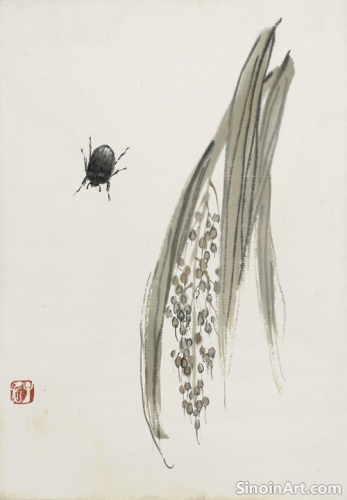 The focus and concentration required for Xieyi, mastering brush control, ink application, and composition, can quiet the mind and allow the artist to enter a state of flow. The act of painting becomes a way to achieve a state of focused presence. It’s a mental state that promotes inner harmony. 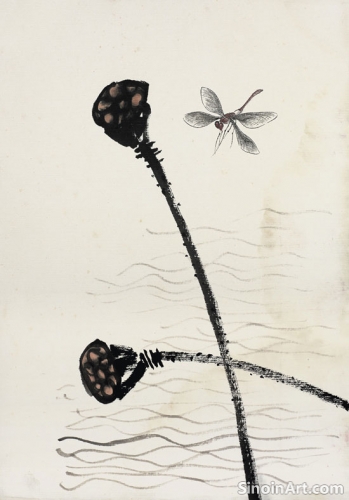 The repetitive and rhythmic movements of the brush on the paper can also be seen as a form of meditative practice, helping the artist to center themselves and to connect with the creative process. The rhythm of creation becomes a form of meditative practice. 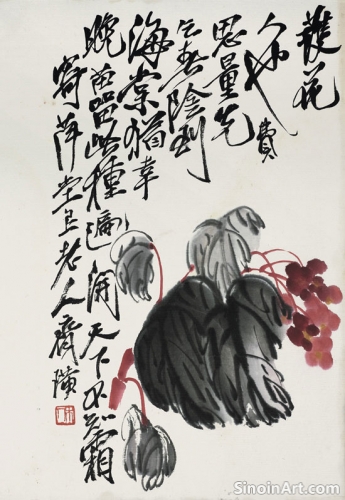 The appreciation of beauty and the pursuit of harmony with nature, which are central to Xieyi, can also cultivate mindfulness and a sense of connection with the larger universe. The focus on these aspects allows the artist to connect to nature and the universal consciousness. Through the act of painting, the artist can express their inner thoughts and feelings, explore their own inner landscape, and find a sense of self-awareness and understanding. This is not only a method of making art, but also a journey towards self-knowledge and spiritual awareness. |
Tag : Meditative art, mindfulness practice, Zen painting, art therapy, spiritual art
Related information
- The Importance of "Dry Brush" in Xieyi
- Xieyi Painting and the Concept of "Intention Before the Brush"
- Xieyi Painting and the Concept of "Tian Qu"
- The Enduring Significance of Xieyi Painting
- Xieyi Painting and the Expression of Loneliness
The "Dry Brush" (kěbǐ) technique is essential in Xieyi, involving minimal ink and water to create broken, scratchy lines that add texture, depth, a sense of age, and dynamism, requiring a sensitive hand and enhancing the spontaneity and expressiveness of the art form.
"Intention Before the Brush" (yi zai bi xian) is crucial in Xieyi painting, emphasizing that the artist's vision, emotional state, and purpose should guide their brushstrokes, requiring thoughtful preparation and planning while valuing spontaneity, imbuing the artwork with inner spirit and emotional truth.
"Tian Qu" (natural charm) is a key aesthetic ideal in Xieyi painting, emphasizing a sense of effortless freedom, spontaneity, and a deep connection to nature, requiring artists to let their intuition guide the creative process, resulting in works that feel both deeply moving and authentically beautiful.
Xieyi painting's enduring significance lies in its rich history, philosophical depth, and emphasis on personal expression, spontaneity, and the pursuit of essence, connecting with audiences through its timeless aesthetic, connection to nature, and human spirit, while contemporary artists ensure its continued practice, evolution, and relevance in the world of art.
Xieyi painting powerfully expresses loneliness through suggestive compositions, vast negative space, solitary subjects, muted colors, and a sense of introspection, exploring solitude and the human condition, evoking melancholy and longing, and providing a space for contemplation and self-reflection.