The Use of Ink and Water in Xieyi Technique
|
The seemingly simple combination of ink and water is the very foundation of Xieyi painting, and mastering their use is crucial to achieving expressive effects. The control of these two elements is a fundamental skill that every Xieyi artist must develop. Through varying dilutions and applications, artists can achieve an extraordinary range of tonal values and textures. 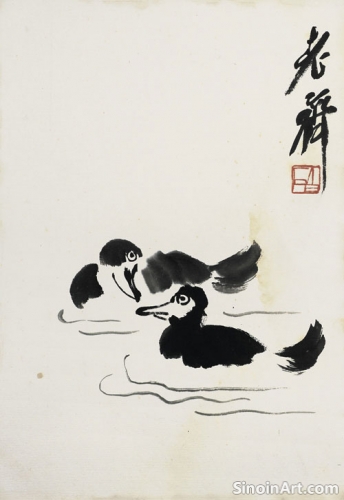 Different concentrations of ink, from deep black to light gray, allow artists to create a sense of depth, form, and atmosphere. The rich black of pure ink can be used to create bold, dramatic contrasts, while diluted washes of gray create soft, subtle transitions. The way these tones are applied impacts the texture and feel of the final artwork. Mastering this tonal range is essential. 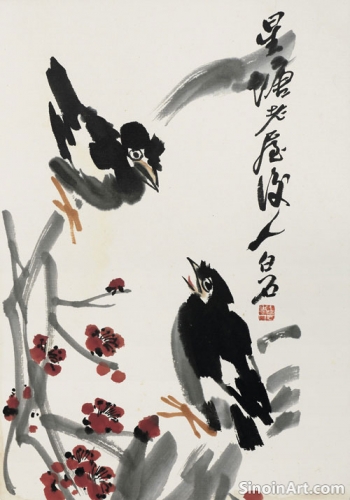 The amount of water used also affects the way the ink behaves on the paper. A heavily loaded brush with diluted ink will create fluid, flowing washes, while a drier brush will result in broken, textured strokes. The manipulation of water allows the artist to create a vast range of expressive marks. It's a dynamic process that allows for spontaneity and expression. 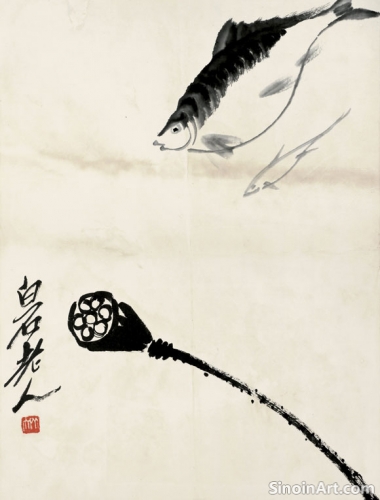 The interaction between ink and water on absorbent paper creates unique effects that are impossible to achieve with other mediums. The ink spreads and blends in unexpected ways, creating soft, hazy transitions and dynamic edges. The artist must learn to anticipate and to work with the unpredictable nature of ink and paper. This interplay gives the paintings their dynamic quality. The control of ink and water also allows for the creation of subtle gradations in tone, creating a sense of volume and form. The use of layered washes adds depth and complexity to the artwork. This subtle and nuanced approach to applying ink and water is one of the hallmarks of Xieyi painting. The subtle gradations create an atmospheric and dynamic feel. |
Tag : Ink and water techniques, Chinese ink wash, tonal values, ink dilution, water control
Related information
- The Importance of "Dry Brush" in Xieyi
- Xieyi Painting and the Concept of "Ziran"
- The Spirit of Xieyi: An Introduction to Chinese Literati Painting
- The History and Evolution of Xieyi
- Ink Wash Techniques in Xieyi: Shades of Meaning
The "Dry Brush" (kěbǐ) technique is essential in Xieyi, involving minimal ink and water to create broken, scratchy lines that add texture, depth, a sense of age, and dynamism, requiring a sensitive hand and enhancing the spontaneity and expressiveness of the art form.
"Ziran" (naturalness) is a cornerstone of Xieyi painting, emphasizing effortless ease, rejection of artificiality, and a profound connection with the natural world, requiring an understanding of materials and authenticity in personal expression, allowing the art process to unfold organically.
Xieyi, often translated as sketching thoughts or freehand style, is a significant genre within Chinese painting. It is characterized by its emphasis on capturing the essence and spirit of a subject rather than its exact appearance. This expressive, spontaneous approach prioritizes the artist's personal emotions and inner vision.
Xieyi painting evolved from the Song Dynasty literati tradition through subsequent dynasties, with key figures like Xu Wei, Qi Baishi, and Pan Tianshou contributing to its development, and continuing to influence contemporary artists.
Ink wash, or shuimo (水墨), is a fundamental technique in Xieyi painting. It involves the skillful application of various shades of ink, diluted with water, to create depth, texture, and atmosphere. Mastery of ink wash is critical for achieving the desired expressive effects.