The Role of the Inkstone in Xieyi
|
The inkstone, or yàn (硯), is more than just a surface for grinding ink in Xieyi painting; it's a vital part of the artist's toolkit, imbued with its own history, significance, and influence on the creative process. The inkstone is an essential part of the traditional art practice. It's more than a simple tool; it is integral to the process. 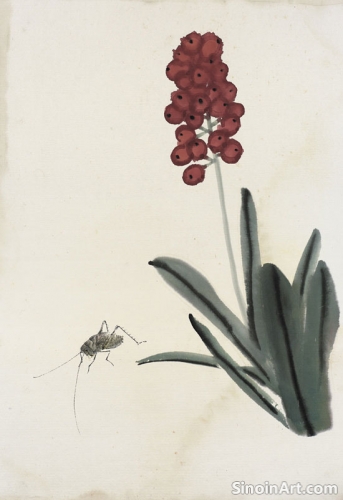 Inkstones are traditionally made from various types of stone, each with its own unique properties that affect the quality and texture of the ground ink. The type of stone, its density, and its smoothness all influence how the ink is prepared. The artist must learn how to use the stone to the best advantage. 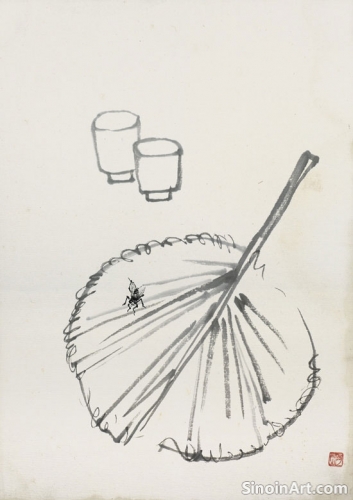 The process of grinding ink on the inkstone is an important ritual for the Xieyi artist, a moment of quiet contemplation and preparation before the act of painting. The process of grinding ink connects the artist to the tradition, as well as to their own inner state. It is a deliberate act of focused intent. 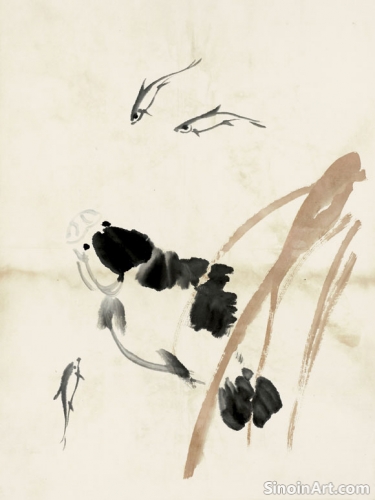 The way the artist grinds the ink, controlling the amount of water, pressure, and time, affects the texture and intensity of the ink. Different tones of black and gray, from deep and rich to delicate and subtle, can be created with careful grinding. This careful preparation ensures the artist has total control over the ink. The inkstone is not only a functional object, but often a work of art in itself, beautifully crafted with intricate carvings and polished surfaces. It's an object of beauty and it holds historical and cultural value as well. It is a tangible connection to tradition and serves as a source of inspiration. |
Tag : Inkstone, Chinese art supplies, ink grinding, art tool
Related information
- The Influence of the "Four Gentlemen" on Xieyi Subjects
- Xieyi Painting and the Depiction of Trees
- Xieyi Painting and the Concept of "Intention Before the Brush"
- Xieyi Painting and the Use of "Leaving the Brush"
- The Concept of "Qing" in Xieyi Painting
The "Four Gentlemen" (sìjūnzǐ) – plum blossom, orchid, bamboo, and chrysanthemum – are highly revered subjects in Xieyi, each embodying distinct virtues like resilience, refinement, integrity, and longevity, serving as a rich source of inspiration for artists expressing a range of emotions and philosophical ideas.
Trees are a powerful subject in Xieyi painting, depicted through expressive brushwork and washes to capture their unique forms, textures, and symbolic representations of longevity, growth, resilience, and the connection between the human and natural realms, conveying both beauty and a profound appreciation for the cycles of life.
"Intention Before the Brush" (yi zai bi xian) is crucial in Xieyi painting, emphasizing that the artist's vision, emotional state, and purpose should guide their brushstrokes, requiring thoughtful preparation and planning while valuing spontaneity, imbuing the artwork with inner spirit and emotional truth.
"Leaving the Brush" (cángfēng) in Xieyi involves concealing the brush tip when beginning and ending a stroke, creating lines with a subtle beginning and end, conveying inner strength, control, and intentionality, contrasting with the technique of "revealing the brush," and demonstrating the mastery of brush control.
"Qing" (feeling) is a fundamental concept in Xieyi painting, emphasizing the importance of artists imbuing their work with personal emotion and genuine expression, requiring sensitivity, observation, and technical skill to convey feelings through brushstrokes, composition, and connecting with viewers on a deeply human level.