Xieyi Painting and the Depiction of Animals
|
Animals are a common subject in Xieyi painting, offering a rich array of forms, textures, and symbolic meanings. Artists often depict animals to convey various emotions, personality traits, and philosophical ideas, often as metaphors for human experience. The animals are often used as powerful symbols and metaphors. 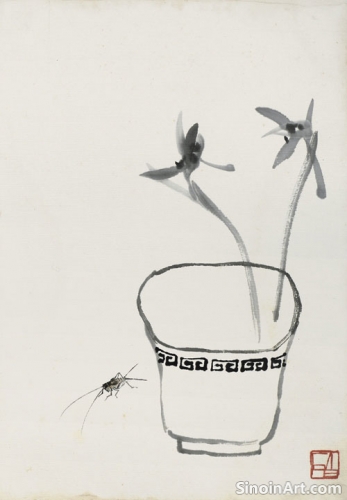 The focus is not so much on realism as it is on capturing the essence of the animal, its unique character and its vital energy. The artist often uses simplified forms and spontaneous brushstrokes to evoke the animal's spirit. It’s not a literal depiction, but rather a suggestive portrayal. 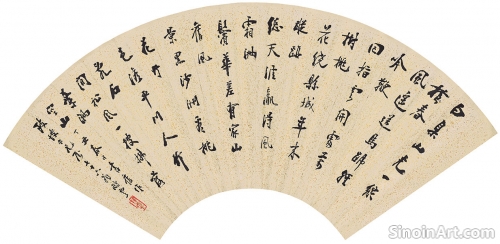 Different animals carry different symbolic connotations in Chinese culture. The dragon, for example, is associated with power, wisdom, and good fortune, while the tiger represents courage and strength. The artist selects each animal specifically for its symbolic meaning and capacity for creative expression. 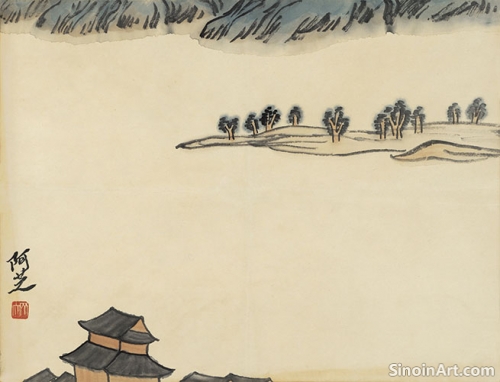 The artist’s careful observation of the natural world is essential for creating expressive depictions of animals. The artist spends a great deal of time studying their forms, movements, and behaviors. The close study of an animal’s true nature is important to conveying its spirit. The use of ink wash allows the artist to capture the animal’s fur or feathers, the texture of its skin, and the movement of its body. The artist takes advantage of the natural spread of the ink to enhance the texture and feel of their animal subject. It is a powerful medium for capturing the nuances of movement and texture. |
Tag : Animal paintings, Xieyi animals, Chinese symbolism, ink wash animals, expressive figures
Related information
- The Use of "Reversed Brush" in Xieyi
- The Symbolism of Xieyi: Expressing Inner Worlds
- Xieyi and the Concept of "Shu Hua Tong Yuan"
- The Concept of "Baimiao" and its Relationship to Xieyi
- The Brushstrokes of Xieyi: Mastering Spontaneity
The "Reversed Brush" (nìfēng) in Xieyi involves starting a stroke by moving the brush in the opposite direction, then reversing to create strong, textured, dynamic lines, conveying a sense of force, resistance, and visual interest, while requiring precise control and a deep understanding of brush responsiveness.
This article explores the symbolic elements within Xieyi painting, focusing on how subjects, composition, and brushwork contribute to the expression of the artist's inner world and cultural values.
"Shu Hua Tong Yuan" (calligraphy and painting share the same source) is a fundamental concept in Chinese art and Xieyi painting, highlighting the shared tools, techniques, aesthetic principles, and expressive potential between calligraphy and painting, with calligraphic brushwork central to the Xieyi technique.
"Baimiao" (plain drawing) is a foundational technique in Chinese painting, emphasizing precise line drawing to define a subject's contours and forms, influencing Xieyi by shaping its underlying structure, informing composition, and contributing to the overall control and confidence seen in the best Xieyi works.
This article delves into the various brushstrokes and techniques used in Xieyi painting, emphasizing the importance of mastering spontaneity and ink control to convey the spirit of the subject.