The Brushstrokes of Xieyi: Mastering Spontaneity
|
The beauty of Xieyi painting lies in its apparent spontaneity, but behind this seemingly effortless style is a lifetime of dedicated practice and a deep understanding of brushwork. Each stroke, each application of ink, is a deliberate act, imbued with the artist's intent and emotion. Mastering the various brushstrokes is crucial to creating a compelling Xieyi painting, transforming a simple sketch into a powerful expression of artistic vision. It is a dance of the brush on the canvas. 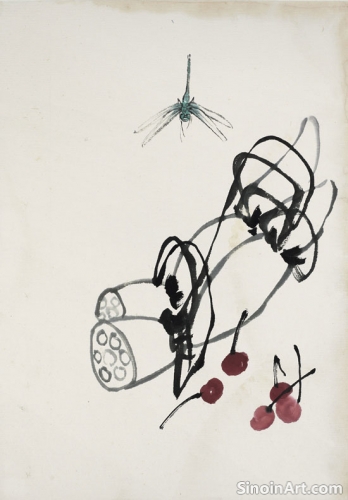 The foundational brushstroke in Xieyi is the “zhongfeng” or “central tip” stroke. This stroke involves using the entire body of the brush to apply ink evenly, creating a full, rounded line. The central tip stroke is used to create bold, dynamic lines and to build up form. The force and direction of the stroke are key to conveying the spirit of the subject. It’s essential to maintain balance and control with this stroke. 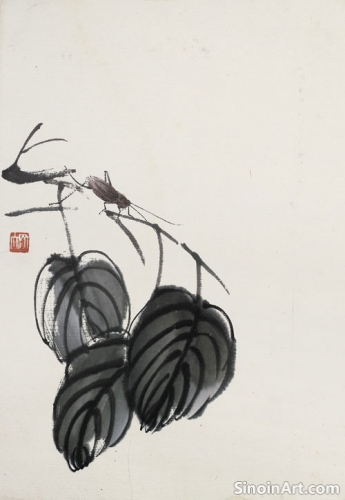 Another essential brushstroke is the “cefeng” or “side tip” stroke. This stroke involves using the side of the brush to create dry, textured lines. It’s ideal for capturing the roughness of tree bark, the ruggedness of rocks, or the feathers of a bird. The side tip stroke brings a sense of texture and dimension, contrasting the smoother lines created with the central tip stroke. Mastering the side tip technique is essential for creating variations in texture. 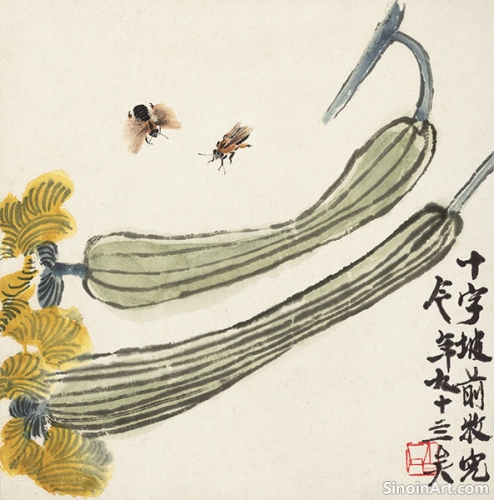 The “zhanbi” or "dotting" technique is crucial for adding detail and texture to Xieyi paintings. This involves applying dots of ink with varying pressure and size, creating a sense of vibrancy and energy. The dots can be used to suggest leaves, flowers, or even raindrops, giving the painting a sense of depth and complexity. The placement and variety of dots adds interest and detail to the artwork. In addition to the individual brushstrokes, controlling the amount of ink and water on the brush is also critical in Xieyi painting. Variations in ink density create subtle tonal variations, adding depth and dimension to the painting. The blending and layering of ink washes create a dynamic interplay of light and shadow. Mastery over the control of ink density is what truly makes the painting come to life. By mastering these various brushstrokes and ink control techniques, the Xieyi artist can effectively capture the spirit of any subject, from a delicate flower to a powerful mountain. It’s a skill that develops over time through dedication and practice. Through the brushstrokes, an artist can channel their emotions, thoughts, and feelings, breathing life into the painting. |
Tag : Xieyi Brushwork, Chinese Ink Techniques, Spontaneous Painting, Freehand Brushstrokes, Ink Painting Methods
Related information
- Ink Wash Techniques in Xieyi: Shades of Meaning
- The Use of "Multiple Brushstrokes" in Xieyi
- Xieyi Painting and the Use of "Light Ink"
- The Symbolism of Xieyi: Expressing Inner Worlds
- Xieyi and the Concept of Spontaneity
Ink wash, or shuimo (水墨), is a fundamental technique in Xieyi painting. It involves the skillful application of various shades of ink, diluted with water, to create depth, texture, and atmosphere. Mastery of ink wash is critical for achieving the desired expressive effects.
"Multiple Brushstrokes" (cūn fǎ) are essential in Xieyi landscape painting, offering a variety of textured strokes that create a sense of depth, form, and visual complexity, requiring skill and strategic layering to depict mountains, rocks, and trees, adding dynamism and guiding the viewer’s eye through the composition.
"Light Ink" (dànmò) is essential in Xieyi painting, using diluted ink to create subtle tones, soft washes, atmosphere, depth, and delicate transitions, requiring a mastery of brush control, ink dilution, layering, and a delicate touch to convey a sense of quiet beauty.
This article explores the symbolic elements within Xieyi painting, focusing on how subjects, composition, and brushwork contribute to the expression of the artist's inner world and cultural values.
Spontaneity is crucial in Xieyi painting, reflecting the emphasis on intuition, direct experience, and the expression of immediate feelings, allowing the artist to embrace imperfections and work in the moment, aligning with the principles of Chan Buddhism.