Xieyi and the Concept of "Shu Hua Tong Yuan"
|
The phrase "Shu Hua Tong Yuan" (書畫同源), meaning "calligraphy and painting share the same source," is a foundational concept in Chinese art and deeply relevant to Xieyi. It highlights the shared tools, techniques, and aesthetic principles between calligraphy and painting, emphasizing their interconnectedness. The same tools and skills are shared across both disciplines. 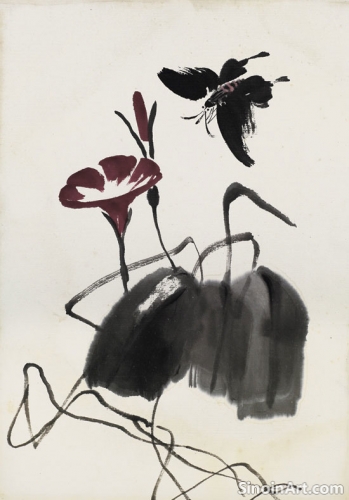 The emphasis on calligraphic brushwork in Xieyi is a direct result of this principle. The artist uses the same techniques of line drawing, pressure variation, and ink control that are used in writing Chinese characters. The calligraphic nature of the brushstrokes becomes the defining characteristic of the Xieyi technique. 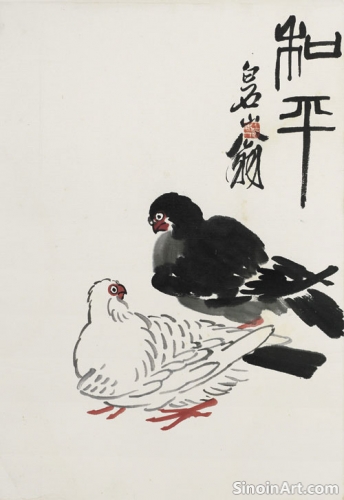 Both disciplines share the same appreciation for spontaneity, rhythm, and the expressive potential of line. Both aim to convey the inner spirit of a subject, expressing the artist's intentions and creative ideas through the language of brush and ink. They are both about inner expression and emotional communication. 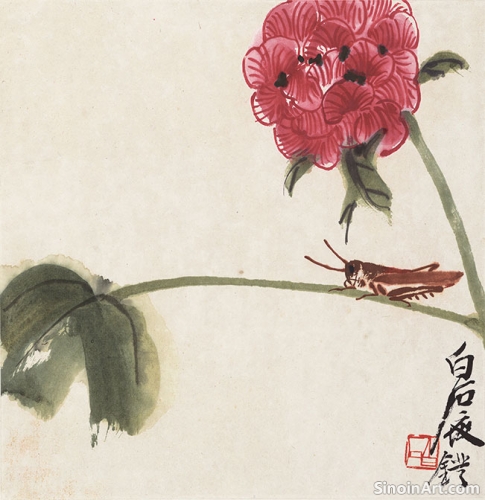 The ideal of the literati artist, one who is skilled in both calligraphy and painting, reflects this unity between the two art forms. They were not considered two separate disciplines, but two sides of the same coin. The literati artists excelled in both areas and considered them to be intertwined. Understanding "Shu Hua Tong Yuan" is essential to appreciating the unique qualities of Xieyi, seeing the brushwork as something more than merely a method of applying pigment to paper. The brushwork carries its own weight of meaning and expression. It is the cornerstone of the technique. |
Tag : calligraphy source, brushwork origins, art interconnectedness, shared principles
Related information
- The Concept of "Yi" in Xieyi Aesthetics
- Common Subjects in Xieyi Painting
- The Legacy and Future of Xieyi Painting
- Xieyi Painting and the Concept of "Ziran"
- The Concept of "Zhong Feng" in Xieyi Brushwork
"Yi" (untrammeled) is a highly valued aesthetic in Xieyi painting, referring to effortless freedom, spontaneity, a lack of artifice, and a sense of naturalness, achieved by letting go of rigid rules, allowing intuition to guide the brush, and creating artworks that are both expressive and simple.
Common subjects in Xieyi painting include bamboo, plum blossoms, landscapes, birds, flowers, and animals, each imbued with symbolism and representing aspects of nature and the artist's inner world.
Xieyi painting, with its rich history and unique aesthetic, continues to hold significance and inspire artists, influencing contemporary art globally, ensuring the continuation of its traditions, and its continued evolution and relevance as it continues to express cultural values and universal truths, making it an enduring art form.
"Ziran" (naturalness) is a cornerstone of Xieyi painting, emphasizing effortless ease, rejection of artificiality, and a profound connection with the natural world, requiring an understanding of materials and authenticity in personal expression, allowing the art process to unfold organically.
"Zhong Feng" (central tip) is a core Xieyi technique involving holding the brush perpendicular to the paper to create strong, balanced lines with even width, conveying inner strength and control, serving as a foundation for advanced brushwork, and requiring a mastery of precision and consistent brush handling.