Xieyi Painting and the Concept of "Shu Xing"
|
"Shu Xing" (書性), often translated as "calligraphic nature" or "calligraphic quality," is a fundamental concept in Xieyi painting, referring to the way that the principles and techniques of calligraphy influence the brushwork and expressive qualities of the painting. It emphasizes the deep connection between the two art forms and how calligraphy informs the core structure and expressivity of the Xieyi tradition. It represents the influence of calligraphy on the practice of painting.  The calligraphic nature of Xieyi brushwork is evident in the way the lines are formed, with variations in thickness, texture, and direction, all reflecting the principles of good calligraphy. The artist has to master the techniques of calligraphy before they can truly excel in Xieyi. The underlying structure of the calligraphy informs the brushwork of the painting. 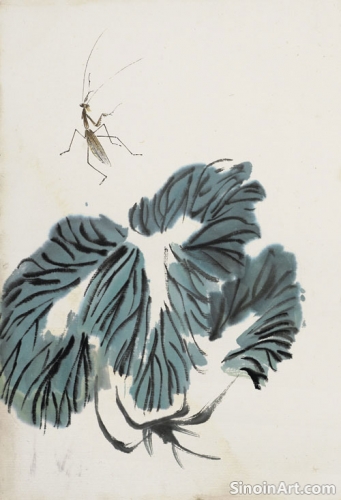 The principles of balance, rhythm, and flow, which are essential in calligraphy, are also crucial in Xieyi painting. The artist aims to create lines that are not only visually appealing but are also imbued with a sense of movement, energy, and life force. The calligraphic nature of the strokes creates an energy that is intrinsic to Xieyi. 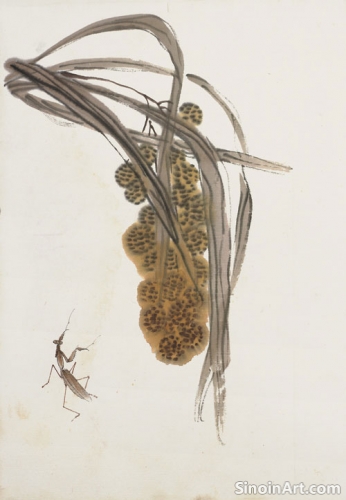 The use of the same tools, brush, ink, and paper, in both calligraphy and Xieyi painting further emphasizes the deep connection between the two art forms. It’s a shared practice with shared goals of expressive freedom and technical expertise. The shared history and techniques add to the significance of Shu Xing. The "calligraphic nature" of the lines in Xieyi can convey a range of emotions and ideas, from strength and boldness to delicacy and subtlety. It’s a powerful tool for expressing a diverse range of feelings. The way the brush is used is inherently expressive, communicating subtle nuances of feeling and intent. |
Tag : calligraphic nature, brushwork quality, line in art, Chinese art forms
Related information
- The Concept of "Qing" in Xieyi Painting
- Xieyi and the Concept of "Shu Hua Tong Yuan"
- The Role of the Inkstone in Xieyi
- Xieyi Flowers and Birds: Expressing Life’s Vitality
- Xieyi Painting and the Concept of "Intention Before the Brush"
"Qing" (feeling) is a fundamental concept in Xieyi painting, emphasizing the importance of artists imbuing their work with personal emotion and genuine expression, requiring sensitivity, observation, and technical skill to convey feelings through brushstrokes, composition, and connecting with viewers on a deeply human level.
"Shu Hua Tong Yuan" (calligraphy and painting share the same source) is a fundamental concept in Chinese art and Xieyi painting, highlighting the shared tools, techniques, aesthetic principles, and expressive potential between calligraphy and painting, with calligraphic brushwork central to the Xieyi technique.
The inkstone (yàn) is a vital part of Xieyi painting, influencing the quality and texture of ink, and serving as an object of both practical use and beauty, representing a key part of the ritual of painting and connecting the artist to tradition.
The depiction of flowers and birds (花鸟画, huaniao hua) is another important theme in Xieyi painting, serving as a way to express life's vitality and beauty. Artists seek not just to portray the outward appearance of these subjects, but also to convey their inherent energy and spirit.
"Intention Before the Brush" (yi zai bi xian) is crucial in Xieyi painting, emphasizing that the artist's vision, emotional state, and purpose should guide their brushstrokes, requiring thoughtful preparation and planning while valuing spontaneity, imbuing the artwork with inner spirit and emotional truth.