Xieyi Painting and the Concept of "Intention Before the Brush"
|
The concept of "Intention Before the Brush" (意在筆先), which translates to yi zai bi xian, is central to understanding the mindset and approach of the Xieyi artist. It emphasizes that the artist's intention, vision, and emotional state should guide the brushstrokes, not the other way around. The artist must have a clear concept of their intent before they apply brush to paper. 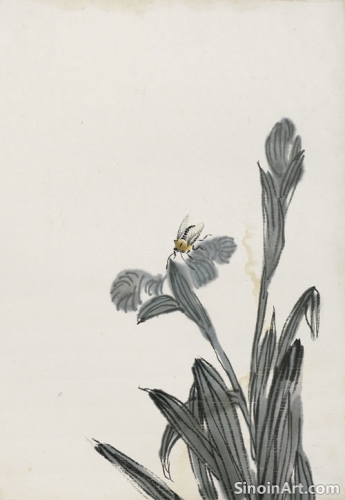 It emphasizes that the artist should not merely be copying what they see, but should instead be expressing their understanding, interpretation, and emotional response to their subject matter. It's the fusion of the artist’s emotional state and their creative intention. This emphasizes that the artist's emotional state has to be in alignment with their creative goal.  This concept underscores the importance of thoughtful preparation and planning before the act of painting. The artist should have a clear sense of the overall composition, the mood, and the message they want to convey, even though it does not mean the painting should be overly planned or inflexible. Planning involves understanding the end goal of the art process. 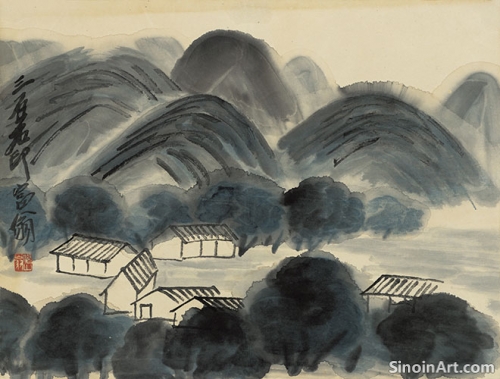 "Intention Before the Brush" aligns with the emphasis on spontaneity in Xieyi. Once the artist has a clear intention, they should allow their brush to move freely and naturally, expressing their inner thoughts and feelings without overthinking or over-analyzing. The process should then be a natural expression of that inner intent. This concept highlights that the true power of Xieyi painting lies not in technical skill alone, but in the artist's ability to imbue the artwork with their inner spirit, personal vision, and emotional truth. The technical proficiency is merely a means to convey a deeper message. The goal is communication and expression of a deeper truth. |
Tag : Intention before brush, planning in art, creative purpose, emotional painting
Related information
- The Use of "Multiple Brushstrokes" in Xieyi
- Xieyi and the Concept of "Shu Hua Tong Yuan"
- The Influence of Literati Painting on Xieyi
- Xieyi Painting in the Modern World: A Timeless Art
- The Influence of Chan (Zen) Buddhism on Xieyi
"Multiple Brushstrokes" (cūn fǎ) are essential in Xieyi landscape painting, offering a variety of textured strokes that create a sense of depth, form, and visual complexity, requiring skill and strategic layering to depict mountains, rocks, and trees, adding dynamism and guiding the viewer’s eye through the composition.
"Shu Hua Tong Yuan" (calligraphy and painting share the same source) is a fundamental concept in Chinese art and Xieyi painting, highlighting the shared tools, techniques, aesthetic principles, and expressive potential between calligraphy and painting, with calligraphic brushwork central to the Xieyi technique.
Xieyi painting is deeply influenced by the tradition of literati painting, emphasizing personal expression, calligraphic brushwork, the blending of poetry and painting, and the pursuit of simplicity and naturalness.
This article explores the evolution of Xieyi painting in the modern world, highlighting the incorporation of contemporary themes, new materials, digital technologies, globalization, and its continued relevance.
Chan (Zen) Buddhism profoundly influences Xieyi painting, emphasizing intuition, direct experience, mindfulness, and the concept of emptiness, aligning with the art form's focus on spontaneity, self-expression, and the pursuit of truth through art.