Xieyi Flowers and Birds: Expressing Life’s Vitality
|
The depiction of flowers and birds (花鸟画, huaniao hua) is another important theme in Xieyi painting, serving as a way to express life's vitality and beauty. Artists seek not just to portray the outward appearance of these subjects, but also to convey their inherent energy and spirit. 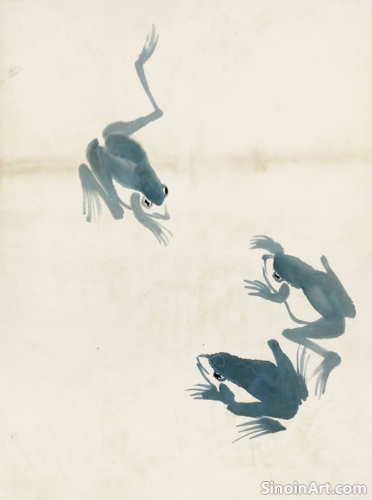 In Xieyi flower and bird paintings, the artist uses bold and spontaneous brushstrokes to capture the essence of each subject. A single stroke might represent a petal or the wing of a bird. The use of ink and color washes allows for the creation of delicate textures, as well as dramatic contrasts. 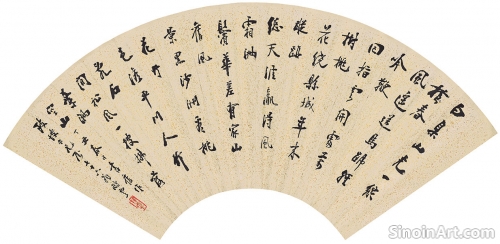 Xieyi artists often depict flowers and birds in motion, emphasizing their vitality and inherent energy. The brushstrokes may suggest the gentle sway of a branch, the flight of a bird, or the opening of a blossom. This focus on movement adds to the dynamism of the painting. 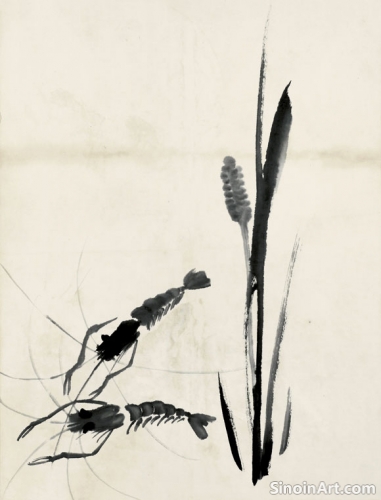 The relationship between flowers and birds in Xieyi paintings often creates a sense of harmony and balance. Artists aim to evoke not only the individual beauty of these subjects but also their interconnectedness within the natural world. They express the symbiotic relation of life through their art. Through their expressive brushwork, Xieyi artists infuse their flower and bird paintings with a sense of vitality, creating works that are both visually captivating and emotionally resonant. These paintings invite viewers to appreciate the delicate beauty and inherent energy of nature. |
Tag : Xieyi Flowers and Birds, Chinese Literati Bird Painting, Expressive Flower Painting, Ink Wash Bird Art, Vitality in Xieyi Painting
Related information
- Materials and Tools for Xieyi Painting
- The Use of "Broken Ink" in Xieyi
- The Importance of Practice in Xieyi
- Xieyi Painting and the Use of "Splash Ink"
- The Concept of "Qing" in Xieyi Painting
The four treasures of the study - brushes, ink, paper, and inkstone – are crucial tools for Xieyi painting. Each tool, from brush construction to paper absorbency, affects the ink application and contributes to the unique character of the artwork.
"Broken Ink" (pòmò) is a key technique in Xieyi painting, involving layering wet ink to create rich and varied tones, depth, atmosphere, and a sense of spontaneity, reflecting a controlled approach to the unpredictable nature of ink and water, adding visual texture and depth.
Dedicated and consistent practice is essential for mastering Xieyi painting, developing technical skills, intuition, and spontaneity, while also fostering patience, perseverance, and a deeper understanding of the art form's philosophy and aesthetics, transforming the practice into a form of self-discovery.
"Splash Ink" (pōmò) is a bold and expressive Xieyi technique, involving the free and spontaneous application of ink to create large washes and evoke movement and dynamism, emphasizing the unpredictable nature of ink and water and strategically used to create balance, depth, and vitality.
"Qing" (feeling) is a fundamental concept in Xieyi painting, emphasizing the importance of artists imbuing their work with personal emotion and genuine expression, requiring sensitivity, observation, and technical skill to convey feelings through brushstrokes, composition, and connecting with viewers on a deeply human level.