The Concept of "Qing" in Xieyi Painting
|
"Qing" (情), often translated as "feeling," "emotion," or "inner sentiment," is a fundamental concept in Xieyi painting, referring to the artist's ability to imbue their works with a sense of personal feeling, emotion, and genuine expression. It’s not just about depicting a scene, it’s about conveying the feelings that it evokes within the artist. The feeling that drives the artistic process is what makes the art form so powerful and moving. 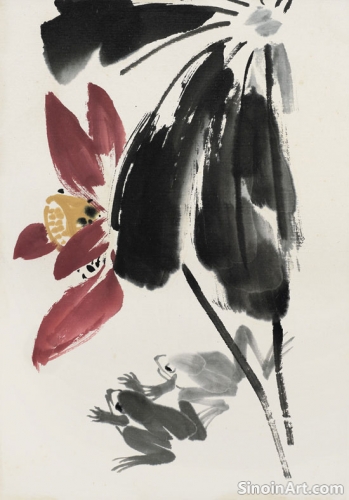 The pursuit of qing requires the artist to connect with their own inner emotions, to observe the world with sensitivity, and to express their feelings through the language of ink and brush. The goal is to reach a point of deep understanding of the human condition and to communicate that through the medium of painting. The artist must be in alignment with their creative intent.  The feeling within an artwork should be genuine and authentic, reflecting the artist's true state of mind, rather than simply trying to create something beautiful or technically proficient. It must come from the heart and soul of the artist, and not simply from their conscious intellect. The art should feel real and emotionally powerful to the viewer.  The ability to convey emotion through brushstrokes, ink washes, and the overall composition of the work is a mark of a skilled Xieyi painter, capable of touching the hearts and minds of viewers. The way that the ink is applied, and the strategic choices of line work create an emotional impact on the viewer. It has the power to resonate with and inspire a powerful emotional response. Ultimately, qing reflects the belief that art should be a means of personal expression, a way for artists to share their inner world, connect with others, and explore the universal emotions that unite us all. It speaks to the underlying human experience, and is able to touch the heart of the observer. It is a powerful means of connection and shared understanding. |
Tag : Qing, feeling in art, emotional painting, expressive art, Xieyi sentiment
Related information
- The Enduring Significance of Xieyi Painting
- The Future of Xieyi Painting
- Xieyi Painting and the Concept of "Ziran"
- Xieyi Painting and the Use of "Splash Ink"
- The Symbolism of Xieyi: Expressing Inner Worlds
Xieyi painting's enduring significance lies in its rich history, philosophical depth, and emphasis on personal expression, spontaneity, and the pursuit of essence, connecting with audiences through its timeless aesthetic, connection to nature, and human spirit, while contemporary artists ensure its continued practice, evolution, and relevance in the world of art.
The future of Xieyi painting is bright, with contemporary artists expanding its boundaries, exploring new mediums, embracing social themes, and sharing their work globally, while the art form's ability to connect emotionally ensures its continued vitality and relevance.
"Ziran" (naturalness) is a cornerstone of Xieyi painting, emphasizing effortless ease, rejection of artificiality, and a profound connection with the natural world, requiring an understanding of materials and authenticity in personal expression, allowing the art process to unfold organically.
"Splash Ink" (pōmò) is a bold and expressive Xieyi technique, involving the free and spontaneous application of ink to create large washes and evoke movement and dynamism, emphasizing the unpredictable nature of ink and water and strategically used to create balance, depth, and vitality.
This article explores the symbolic elements within Xieyi painting, focusing on how subjects, composition, and brushwork contribute to the expression of the artist's inner world and cultural values.