Xieyi Painting and the Concept of "Qi Yun"
|
The concept of qi yun (氣韻), often translated as "spirit resonance" or "vitality," is a central aesthetic principle in Xieyi painting. It refers to the overall sense of energy, movement, and life force that emanates from a successful work of art. Capturing qi yun is the ultimate goal of the artist. 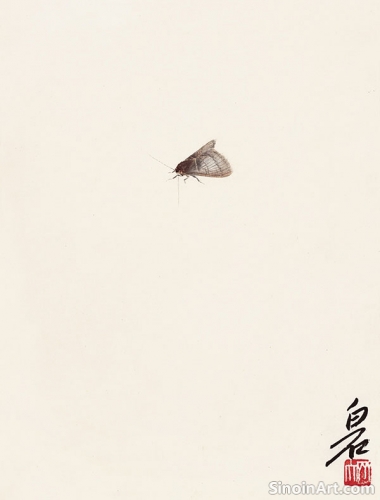 Qi yun is not something that can be easily defined or measured; it's a quality that is sensed or felt by the viewer, an intangible quality of vitality and energy. It encompasses the rhythm of the brushstrokes, the flow of the ink, and the overall harmony of the composition. It’s the feeling that the painting is imbued with life. To achieve qi yun, the artist must cultivate a deep connection with their subject, understanding its essential nature and inner spirit. The artist's own inner energy and vitality also contribute to the overall feeling of the artwork. The painting becomes an expression of that union of artist and subject. 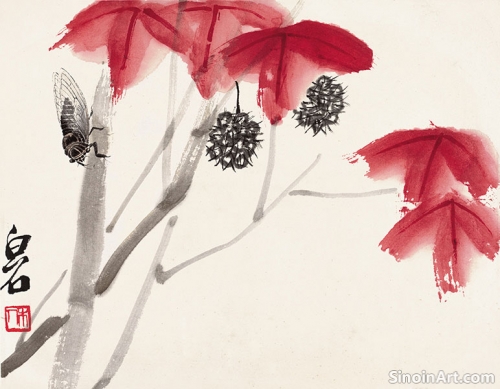 Qi yun is also related to the concept of spontaneity. The artist seeks to capture the essence of the subject in the moment, allowing their brushstrokes to flow freely and naturally. The artist’s state of mind is also a critical factor in the expression of qi yun. The work must be imbued with the artist’s life force. The appreciation of qi yun requires a certain sensitivity and aesthetic awareness on the part of the viewer. It's not just about seeing the forms and colors but also about experiencing the energy and vitality that emanates from the artwork. This experience is a vital part of the viewing process. |
Tag : spirit resonance, Chinese vitality, energy in art, Xieyi aesthetics
Related information
- The Concept of "Qing" in Xieyi Painting
- Appreciating and Collecting Xieyi Paintings
- Xieyi Painting and the Concept of "Yun Wei"
- Ink Wash Techniques in Xieyi: Shades of Meaning
- Xieyi Painting and the Concept of "Yi Qian Bi Hou"
"Qing" (feeling) is a fundamental concept in Xieyi painting, emphasizing the importance of artists imbuing their work with personal emotion and genuine expression, requiring sensitivity, observation, and technical skill to convey feelings through brushstrokes, composition, and connecting with viewers on a deeply human level.
Appreciating and collecting Xieyi paintings requires an understanding of its aesthetics, symbolism, brushwork, and the artist's personal expression. Considerations when collecting include authenticity, provenance, and proper care and storage to preserve these delicate works.
Yun Wei (charm, flavor, aftertaste) is a vital aesthetic quality in Xieyi painting, referring to the overall sense of feeling, emotion, and lingering impression that an artwork creates in the viewer, achieved through mastery of technique, subtle nuances, and the ability to express underlying meanings, creating a lasting impact.
Ink wash, or shuimo (水墨), is a fundamental technique in Xieyi painting. It involves the skillful application of various shades of ink, diluted with water, to create depth, texture, and atmosphere. Mastery of ink wash is critical for achieving the desired expressive effects.
"Yi Qian Bi Hou" (intention before the brush) is central to Xieyi, emphasizing the importance of having a clear vision and intention before painting, so that brushstrokes naturally express the artist's inner feelings and ideas, requiring thoughtful preparation, and guiding brushwork with creativity and personal vision.