Ink Wash Techniques in Xieyi: Shades of Meaning
|
Ink wash, or shuimo (水墨), is a fundamental technique in Xieyi painting. It involves the skillful application of various shades of ink, diluted with water, to create depth, texture, and atmosphere. Mastery of ink wash is critical for achieving the desired expressive effects. 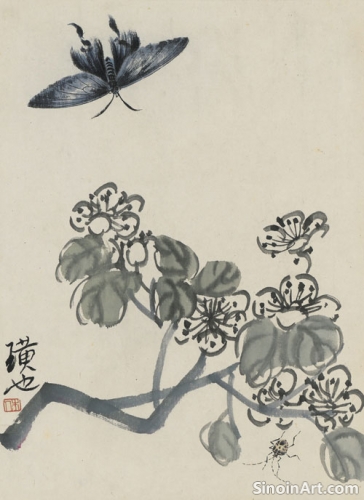 The use of ink in Xieyi is not merely about black and white; it is about the subtle variations in tone that can be achieved through differing water-to-ink ratios. Dark, concentrated ink conveys solidity and form, while lighter washes create atmospheric effects and add a sense of space. 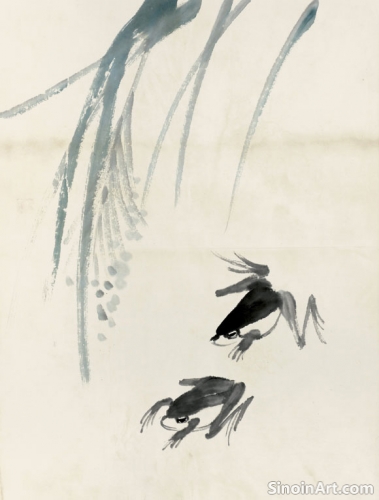 The layering of ink washes is a common technique in Xieyi painting. Artists often apply multiple layers of ink to create a sense of depth, with each layer contributing to the overall visual complexity and effect. The process is carefully managed to achieve the desired final impact. 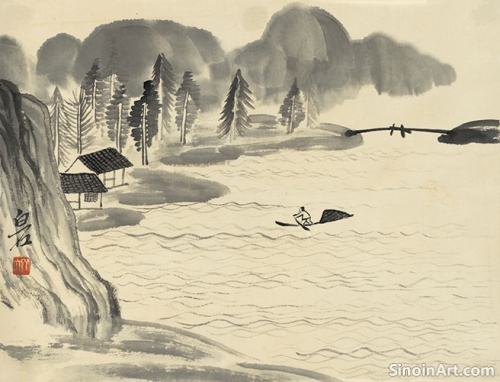 The interaction between ink and water on the paper is an essential aspect of ink wash technique. Artists allow the ink to bleed and spread naturally, creating unique effects that are often impossible to replicate. The spontaneity and unpredictability are part of the beauty of Xieyi painting. Through masterful use of ink wash, Xieyi artists are able to create paintings that are both visually captivating and emotionally resonant. The nuanced tonal gradations contribute to the poetic nature of Xieyi art and enhance its evocative power. |
Tag : Xieyi Ink Wash Techniques, Chinese Ink Wash Painting, Ink Shades in Xieyi, Literati Painting Techniques, Calligraphic Ink Wash
Related information
- Xieyi Painting and the Concept of 'Yi'
- The Ink of Xieyi: A Palette of Grays
- The Influence of Confucianism on Xieyi
- Xieyi Painting and the Use of "Light Ink"
- Xieyi Painting and the Concept of "Shu Xing"
'Yi' is a central concept in Xieyi painting, referring to the inner intent, meaning, and spirit that the artist aims to convey, emphasizing intuitive expression, suggestive imagery, and the viewer's active participation in interpreting the artwork.
This article focuses on the significance of ink in Xieyi painting, exploring its tonal variations, preparation process, and application techniques, emphasizing its role in capturing the essence of a subject.
Confucianism subtly influences Xieyi painting through its emphasis on self-cultivation, social harmony, moral conduct, and the ideal of the gentleman scholar, shaping the cultural context, the values of the art form, and the ethical dimensions of artistic creation.
"Light Ink" (dànmò) is essential in Xieyi painting, using diluted ink to create subtle tones, soft washes, atmosphere, depth, and delicate transitions, requiring a mastery of brush control, ink dilution, layering, and a delicate touch to convey a sense of quiet beauty.
"Shu Xing" (calligraphic nature) is a core concept in Xieyi painting, emphasizing how the principles and techniques of calligraphy influence its brushwork, structure, and expressive qualities, reflecting the shared tools, values, and emphasis on balance, rhythm, and a sense of life force.