Appreciating and Collecting Xieyi Paintings
|
Appreciating Xieyi painting requires an understanding of its unique aesthetics and underlying philosophy. Unlike Western art which often strives for photographic realism, Xieyi aims for expressive suggestion, conveying the essence of a subject with simple brushstrokes. Understanding this philosophy is key to appreciating the nuances of Xieyi. 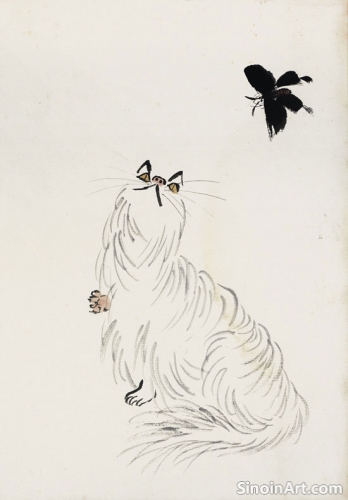 When viewing a Xieyi painting, pay attention to the quality of the brushstrokes. Look for lines that are fluid, dynamic, and full of energy. Notice how the ink is applied, how the artist uses washes to create depth and atmosphere, and how the interplay between ink and negative space contributes to the overall composition. The subtle variations in the marks are crucial elements in the composition. 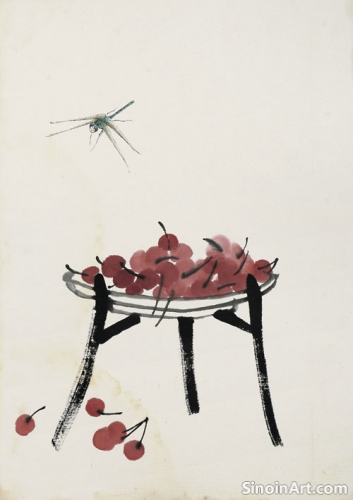 Consider the artist's personal expression and the underlying meaning of the subject matter. Xieyi paintings are often imbued with symbolism and reflect the artist's personal vision and feelings. Understanding the artist’s intent helps to unlock a deeper connection with the artwork. The works are more than mere depictions; they offer a glimpse into the soul of the artist. 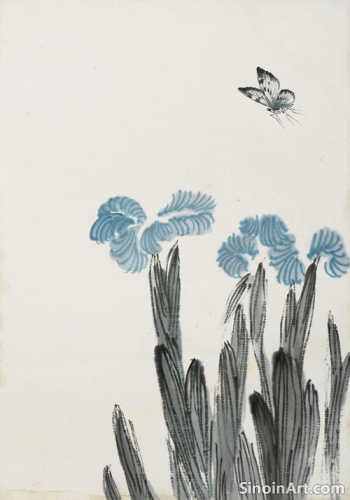 When collecting Xieyi paintings, authenticity, provenance, and the reputation of the artist are crucial factors to consider. Researching the artist's background, style, and significance within the Xieyi tradition helps in assessing value and aesthetic merit. Seeking advice from experienced art collectors or appraisers can be very helpful. The purchase of art should be an educated and informed decision. Caring for Xieyi paintings is important to preserve their beauty and value. These delicate works should be kept away from direct sunlight and excessive humidity. Proper framing and handling are also essential to avoid damage. Storing the works correctly will maintain their beauty for future generations. Ultimately, appreciating and collecting Xieyi paintings is a rewarding experience. Through careful observation and understanding of the art form, one can discover a world of beauty, depth, and expressive power. Each painting offers a unique glimpse into the artist’s inner world and their understanding of the relationship between humanity and nature. It's an ongoing process of discovery and appreciation. |
Tag : Appreciating Xieyi art, collecting Chinese painting, authentic artwork, art preservation, evaluating paintings
Related information
- Xieyi Painting and the Depiction of Water
- The Use of "Side Brush" in Xieyi
- The Enduring Significance of Xieyi Painting
- Xieyi Flowers and Birds: Expressing Life’s Vitality
- Learning Xieyi Painting: A Path of Practice
Water is a versatile subject in Xieyi, depicted through washes and expressive brushstrokes to convey fluidity, transparency, movement, and its symbolic connection to life, change, and nature, adding atmosphere and depth to landscape paintings, with varied forms representing a spectrum of feeling and power.
The "Side Brush" (cèfēng) technique in Xieyi involves holding the brush at an angle to create strokes with distinct texture and varying width, allowing for greater expressiveness, dynamism, and effective depiction of textured surfaces and movement, a crucial skill for any Xieyi painter.
Xieyi painting's enduring significance lies in its rich history, philosophical depth, and emphasis on personal expression, spontaneity, and the pursuit of essence, connecting with audiences through its timeless aesthetic, connection to nature, and human spirit, while contemporary artists ensure its continued practice, evolution, and relevance in the world of art.
The depiction of flowers and birds (花鸟画, huaniao hua) is another important theme in Xieyi painting, serving as a way to express life's vitality and beauty. Artists seek not just to portray the outward appearance of these subjects, but also to convey their inherent energy and spirit.
Learning Xieyi painting involves mastering basic brushstrokes, observation of nature, studying old masters, developing a personal style, and cultivating patience and persistence. It is a process that blends technical skill with personal growth and understanding.