The Legacy and Future of Xieyi Painting
|
Xieyi painting, with its rich history and unique aesthetic principles, continues to hold a significant place in the world of art. It represents a living tradition that has adapted to changing times and continues to inspire artists and viewers alike. Its historical and cultural significance ensures its place in art history. 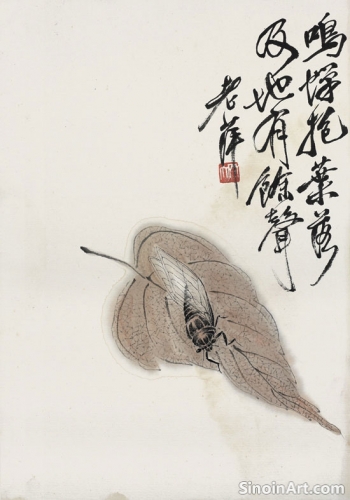 The influence of Xieyi painting can be seen in various forms of contemporary art, both in China and around the world, proving that this ancient tradition still holds relevance for contemporary artists. Its influence has spread beyond its cultural origins. It continues to be a powerful source of inspiration.  The continuing practice of Xieyi painting ensures that the traditions of brushwork, ink control, and the emphasis on spontaneity and expression will be passed on to future generations. The continuing practice is the key to its lasting legacy. The future of the tradition rests with the artists of today and tomorrow. 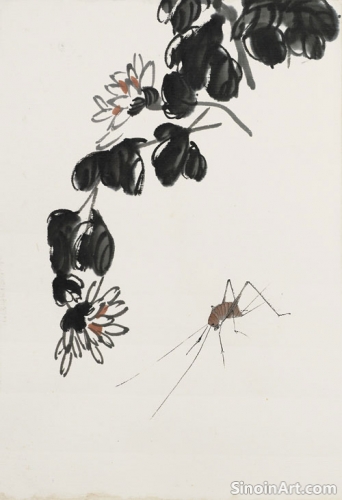 Contemporary artists continue to push the boundaries of the style, incorporating new themes, materials, and techniques, and in turn, the future of Xieyi is being shaped by new generations of artists who will continue to explore and reinterpret its traditions, ensuring that it remains a vibrant and dynamic art form. The traditions are in good hands, and they continue to be a source of great inspiration. The enduring legacy of Xieyi painting lies in its ability to connect with viewers on a deeply human level, expressing personal feelings, cultural values, and universal truths through the language of ink and brush. It is a tradition that speaks across time and cultures. Its message continues to resonate for its ability to touch on the human experience. |
Tag : Legacy of Xieyi, future art, evolving tradition, Chinese art history, enduring art
Related information
- Xieyi Painting and the Use of "Contrasting Ink"
- The Significance of Composition in Xieyi
- Xieyi Painting and the Depiction of Water
- The Brushstrokes of Xieyi: Mastering Spontaneity
- The Concept of "Qing" in Xieyi Painting
"Contrasting Ink" (nóngdànmò) in Xieyi uses both dark and light ink strategically to create depth, volume, texture, and atmosphere through visual contrast, with dark ink creating boldness and light ink adding distance and subtlety, requiring skilled blending to create tonal gradations, expressive depth, and nuanced interplay of light and shadow.
Composition, including the strategic use of negative space, asymmetrical balance, and flowing lines, is vital in Xieyi painting, guiding the viewer's eye, creating a sense of harmony, and supporting the artist's intention, despite the art form's seemingly spontaneous nature.
Water is a versatile subject in Xieyi, depicted through washes and expressive brushstrokes to convey fluidity, transparency, movement, and its symbolic connection to life, change, and nature, adding atmosphere and depth to landscape paintings, with varied forms representing a spectrum of feeling and power.
This article delves into the various brushstrokes and techniques used in Xieyi painting, emphasizing the importance of mastering spontaneity and ink control to convey the spirit of the subject.
"Qing" (feeling) is a fundamental concept in Xieyi painting, emphasizing the importance of artists imbuing their work with personal emotion and genuine expression, requiring sensitivity, observation, and technical skill to convey feelings through brushstrokes, composition, and connecting with viewers on a deeply human level.