The Use of White Space in Gongbi Composition
|
While often associated with meticulous detail, white space plays a critical role in the composition of Gongbi paintings. In Chinese art, white space is not seen as empty or blank; it is an active element of the artwork that contributes to the overall balance, harmony, and visual impact of the composition. White space creates a place for the eye to rest and allows the detailed work to be more appreciated. 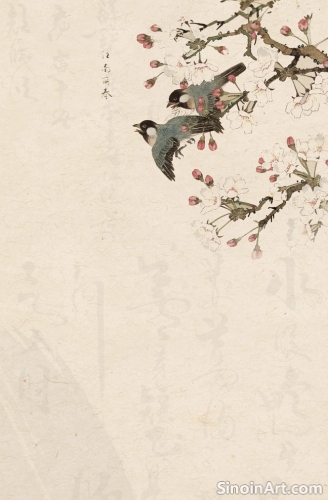 The strategic use of white space in Gongbi painting helps to define and emphasize the main subject of the artwork. By surrounding detailed areas with blank space, the artist can draw the viewer's attention to the specific points of interest. This interplay between detail and open space guides the viewer's eye. 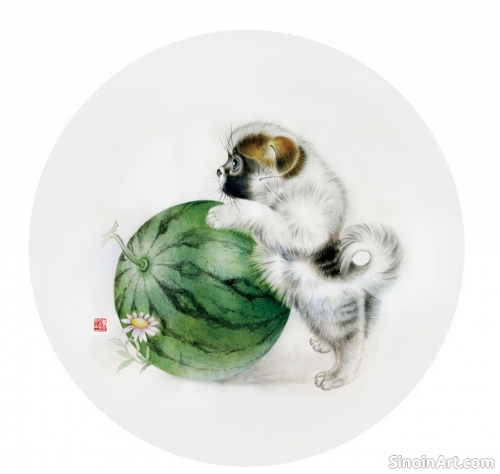 White space also contributes to the sense of depth and dimension in the painting. By creating a visual contrast between filled and empty areas, the artist can create a sense of space that gives depth to the painting. The use of negative space allows the viewer's eyes to interpret the space in a variety of ways. 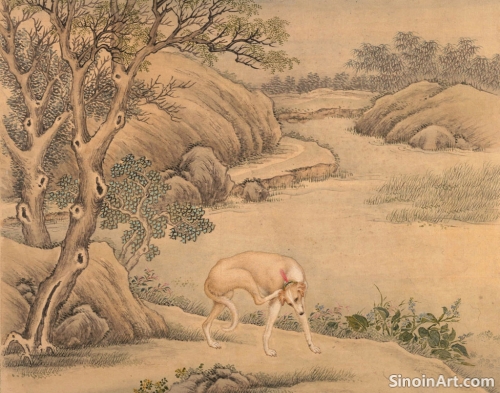 In Gongbi painting, white space is not merely a background; it is a vital element that is just as important as the painted areas. The artist must carefully consider how the white space is distributed throughout the composition, making it an intentional choice. The artist carefully chooses where not to place detail in the painting to create a more powerful composition. The use of white space in Gongbi also reflects the Taoist philosophy of emptiness and balance. The interplay of filled and empty spaces represents the interplay of yin and yang, emphasizing the idea that emptiness is just as important as fullness. This philosophical element creates a work that is not just visually compelling, but also spiritually meaningful. By understanding the importance of white space in Gongbi painting, viewers can appreciate the artistry and depth of the composition. The strategic use of blank areas enhances both the detail of the painted parts as well as the overall impact of the work. The use of blank space adds a dimension to the work that makes it more compelling to the viewer. |
Tag : White space in art, Gongbi composition, negative space, art balance, visual design
Related information
- Gongbi Painting and the Art of Storytelling
- The Future of Gongbi: Innovation and Preservation
- Gongbi and the Representation of Textiles and Patterns
- Gongbi and the Use of Stippling and Pointillism Techniques
- The Future of Gongbi: Digital Tools and Traditional Techniques
This article explores the use of Gongbi painting as a medium for storytelling, highlighting the use of detailed scenes, character portrayal, symbolism, settings, and how these elements bring narratives from history, mythology, literature, and everyday life to visual form.
This article discusses the future of Gongbi painting, highlighting the importance of both preserving traditional techniques and fostering innovation, and exploring the role of technology and globalization in ensuring the art form's continued relevance.
This article explores the meticulous representation of textiles and patterns in Gongbi painting, highlighting the detailed linework, color variations, and how these elements convey texture, volume, and contribute to the overall narrative of the artwork.
This article explores the use of stippling and pointillism techniques in Gongbi painting, highlighting how the careful application of dots or points of color creates unique textures, visual effects, and expands the range of expression within this traditional art form.
This article explores the future of Gongbi painting, highlighting the use of digital tools to aid in the creative process, facilitate sharing, and expand the art form’s reach, while emphasizing the importance of maintaining traditional techniques.