The Future of Gongbi: Digital Tools and Traditional Techniques
|
The future of Gongbi painting lies in the intersection of traditional techniques and modern digital tools. While the core principles of Gongbi—meticulous linework and delicate color layering—remain central, contemporary artists are increasingly exploring how digital technology can enhance their creative process and expand the reach of this traditional art form. This careful integration of modern technology will help the art form thrive for future generations. 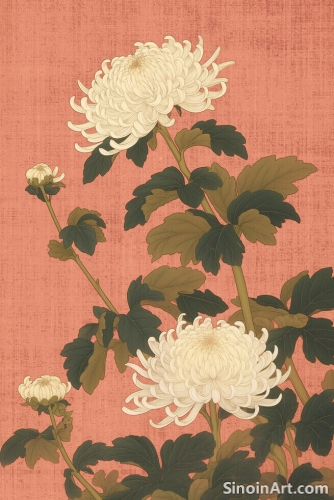 Digital tools can aid in the creation process, providing artists with new ways to sketch, outline, and plan their compositions. Some artists utilize tablets and digital software to create a detailed underdrawing before beginning the process of painting. The digital tools help to speed up the planning process, but do not replace the traditional methods of creation.  Digital technology can also facilitate the sharing and dissemination of Gongbi artworks, allowing artists to reach a global audience and connect with collectors from around the world. The use of online platforms and digital media helps to make the art form more accessible to a wider audience. 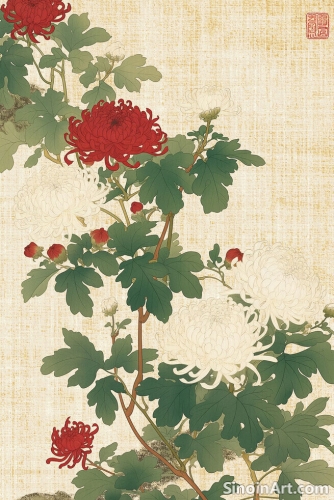 Some artists are exploring the use of digital printing techniques to create high-quality reproductions of their work, making Gongbi art more accessible to those who might not be able to acquire an original piece. The reproduction of the works helps to spread the influence and impact of the art form. However, it's important to note that technology is not replacing traditional skills; rather, it is enhancing the traditional process and allowing artists to explore new possibilities. The traditional skills are the foundation for all innovation, and the use of technology simply helps to enhance and support these practices. The blending of tradition and technology in Gongbi painting offers exciting possibilities for the future of the art form, ensuring that it remains both relevant and vibrant for generations to come. The blending of these two approaches ensures that the art form will continue to evolve and thrive in the future. |
Tag : Digital art tools, Gongbi technology, modern art techniques, blending art styles, future of painting
Related information
- Gongbi Painting and the Use of "Boneless" Technique
- Gongbi Painting and the Influence of Taoist Philosophy
- Gongbi Painting and the Depiction of Waterfalls and Streams
- Gongbi Painting and its Use in Book Illustration
- The Meticulous Hand: Precision and Detail in Gongbi Painting
This article explores the “boneless” technique (没骨法) in Gongbi painting, highlighting how artists use color washes to create forms without preliminary outlines, adding softness, fluidity, and demonstrating a versatility within the art form.
This article explores the influence of Taoist philosophy on Gongbi painting, highlighting how the art form reflects Taoist ideals of harmony with nature, balance, mindfulness, and simplicity, adding a deeper layer of spiritual and philosophical significance to the artworks.
This article explores the depiction of waterfalls and streams in Gongbi painting, highlighting the techniques used to capture the flow, movement, and reflective qualities of water, and how these works demonstrate a mastery of technique and appreciation for nature.
This article explores the use of Gongbi painting in book illustration, highlighting its ability to bring narratives to life through detailed depictions, accurate representations, and vibrant colors, and how this enhances the reader's understanding and appreciation of the text.
Chinese Gongbi painting, distinguished by its meticulous detail and precise execution, stands as a testament to the dedication and technical skill of its practitioners. Unlike the expressive spontaneity of Xieyi (freehand) painting, Gongbi emphasizes a controlled and highly detailed approach, striving for a realistic depiction of the subject matter. This pursuit of perfection is central to the aesthetic and philosophy of the Gongbi tradition.