Gongbi and the Representation of Textiles and Patterns
|
The meticulous detail that characterizes Gongbi painting makes it an ideal medium for depicting the intricate patterns and textures of textiles. From the elaborate robes of historical figures to the delicate details of floral fabrics, Gongbi artists render textiles with astonishing precision, capturing the unique qualities of each fabric. This focus on textiles adds both depth and visual interest to the artworks. 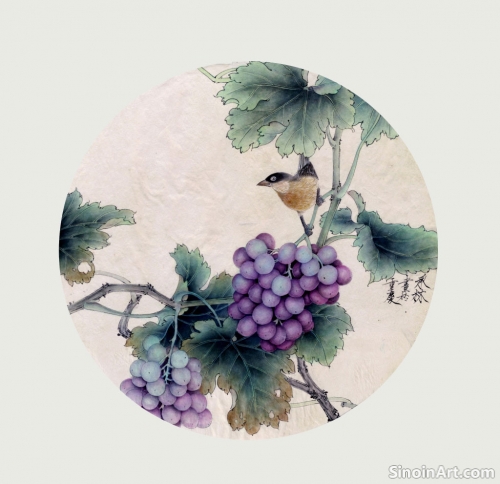 The depiction of textiles in Gongbi painting often requires the artist to render complex patterns and textures with great care. The artist must understand the construction and details of various materials in order to recreate them on paper. The artist must master techniques to represent the unique qualities of different types of fabrics, such as silk, brocade, and cotton. 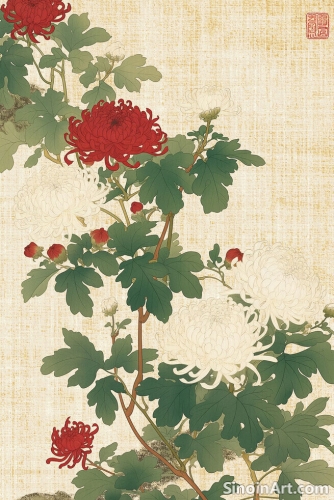 The use of line and color is crucial for creating realistic representations of textiles. Fine lines are used to delineate the weave and pattern of the fabric, while subtle color variations are used to suggest the texture and volume of the material. These techniques help to create a convincing sense of three-dimensionality on a two-dimensional surface. 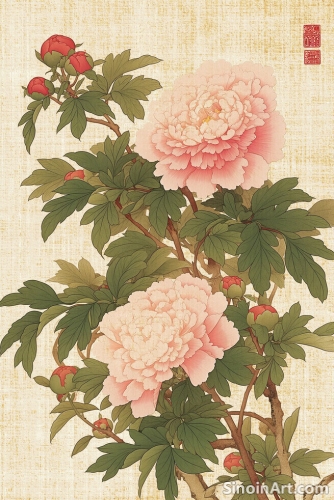 The attention to detail that Gongbi artists bring to the depiction of textiles can often be seen as a celebration of craftsmanship and artistry. These details are not just decorative elements; they contribute to the overall visual narrative and create a sense of richness and depth. The accurate depiction of fabrics adds to the value of the work and enhances the viewer's understanding of the scene. Textiles in Gongbi paintings are not just static elements; they often play a role in conveying the status, identity, and cultural context of the figures within the artwork. The careful rendering of clothing and accessories adds depth and complexity to the overall composition and storytelling. The choice of textile can communicate status, wealth, and cultural identity. The representation of textiles in Gongbi painting showcases the technical skill and artistic sensibility of the artist and adds a rich layer of visual and cultural significance to the artworks. The detail used to depict the textiles adds realism, beauty, and narrative power to the work. |
Tag : Gongbi textiles, fabric in art, pattern rendering, Chinese textile art, detailed painting
Related information
- Gongbi Color Palettes: From Traditional Pigments to Modern Hues
- Gongbi Painting and the Art of Storytelling
- The Future of Gongbi: Digital Tools and Traditional Techniques
- Gongbi and the Influence of Buddhist Art
- Gongbi Painting and the Concept of "Qi Yun Sheng Dong"
Focuses on the color palettes used in Gongbi painting, from traditional natural pigments to modern hues, emphasizing techniques and symbolism.
This article explores the use of Gongbi painting as a medium for storytelling, highlighting the use of detailed scenes, character portrayal, symbolism, settings, and how these elements bring narratives from history, mythology, literature, and everyday life to visual form.
This article explores the future of Gongbi painting, highlighting the use of digital tools to aid in the creative process, facilitate sharing, and expand the art form’s reach, while emphasizing the importance of maintaining traditional techniques.
This article explores the influence of Buddhist art on Gongbi painting, highlighting the depiction of deities, symbolic use of color, incorporation of philosophical principles, and how this influence adds both spiritual depth and meaning to the artworks.
This article explores the significance of “Qi Yun Sheng Dong” (spirit resonance and lifelike movement) in Gongbi painting, highlighting the artist’s pursuit of capturing the essence and vital energy of the subject matter beyond mere visual representation.