The Future of Gongbi: Innovation and Preservation
|
The future of Gongbi painting lies in the delicate balance between innovation and preservation. While honoring its historical roots and traditional techniques, contemporary artists are also pushing the boundaries of the art form, incorporating new themes, materials, and approaches. This careful blend of old and new ensures that Gongbi remains both a vibrant and relevant art form for future generations.  The preservation of traditional techniques is crucial for maintaining the authenticity of Gongbi painting. Passing down the skills and knowledge from master artists to younger generations is essential for maintaining the integrity of the art form. Traditional techniques need to be honored and preserved while allowing for experimentation and innovation.  Innovation plays an equally important role in the future of Gongbi. Contemporary artists are exploring new ways to express their artistic vision while still working within the framework of the traditional style. The introduction of contemporary themes and social issues ensures that Gongbi remains a vital means of cultural expression. Experimentation with materials and techniques is pushing the art form forward. 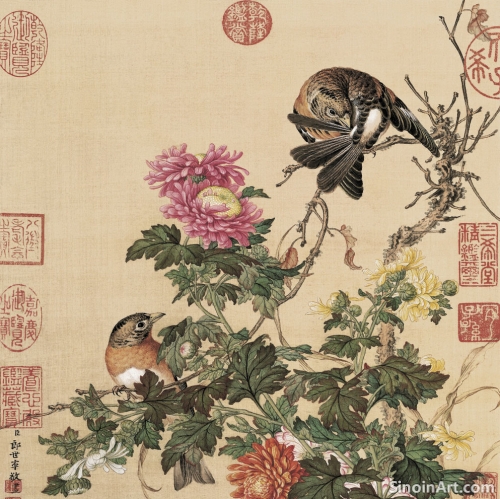 Technology also has the potential to play a role in the future of Gongbi. Digital tools and methods can aid in the creation process, from underdrawings to color mixing. While technology is being introduced, care needs to be taken to ensure it is being used in a way that respects and compliments the traditional handcraft of the art. The globalization of art has also opened new avenues for appreciation and understanding of Gongbi painting. The art form is increasingly being exhibited and studied internationally, fostering cross-cultural dialogue and expanding the audience for traditional Chinese art. This internationalization has a positive impact on the longevity of the art. The future of Gongbi is bright. By continuing to balance preservation and innovation, contemporary artists are ensuring that this traditional art form remains a source of beauty and inspiration for years to come. The combination of a deep respect for the past with an openness to new ideas guarantees the art form will continue to evolve and thrive. |
Tag : Future of Gongbi, Gongbi preservation, art innovation, contemporary painting, Chinese art trends
Related information
- Gongbi Painting and the Depiction of Clouds and Mist
- The Evolution of Gongbi Subject Matter: From Tradition to Contemporary
- Gongbi Painting in Modern Times: A Contemporary Renaissance
- Gongbi Painting and its Relationship to Song Dynasty Aesthetics
- Gongbi Painting and the Art of Miniature
This article explores the depiction of clouds and mist in Gongbi painting, highlighting the techniques used to create a sense of depth, luminosity, and atmosphere, and how the subtle variations in color and tone evoke a sense of mystery and serenity.
This article explores the evolution of Gongbi subject matter, from traditional depictions of court life and nature to the incorporation of contemporary themes and social commentary, highlighting how the art form continues to adapt and expand.
This article explores the contemporary renaissance of Gongbi painting, highlighting the incorporation of modern themes, new techniques, digital technologies, and globalization in the evolution of the art form.
This article explores the relationship between Gongbi painting and the aesthetic principles of the Song Dynasty, highlighting its influence on the art form's emphasis on realism, detail, subject matter, symbolism, and overall artistic vision.
This article explores the art of miniature Gongbi painting, highlighting the challenges, specialized techniques, subject choices, and how these tiny works demonstrate the artists’ skill and ability to capture detail and beauty on a small surface.