The Use of Name Seals in Art and Calligraphy: Authentication and Expression
|
Name seals are not merely personal identifiers; they are integral to the art of Chinese painting and calligraphy. Traditionally, seals are stamped onto a finished artwork, serving multiple functions, including authentication, personal expression, and artistic enhancement. Understanding the different ways seals are used is essential to appreciating their role in Chinese art. They have become essential elements of Chinese painting and calligraphy.  One of the primary functions of a name seal is to authenticate a work of art. By stamping their seal on a painting or calligraphy piece, the artist signifies their ownership and attribution. The seal serves as a signature, a guarantee of authenticity that has been used throughout Chinese history. The seals help trace the work back to the original artist. 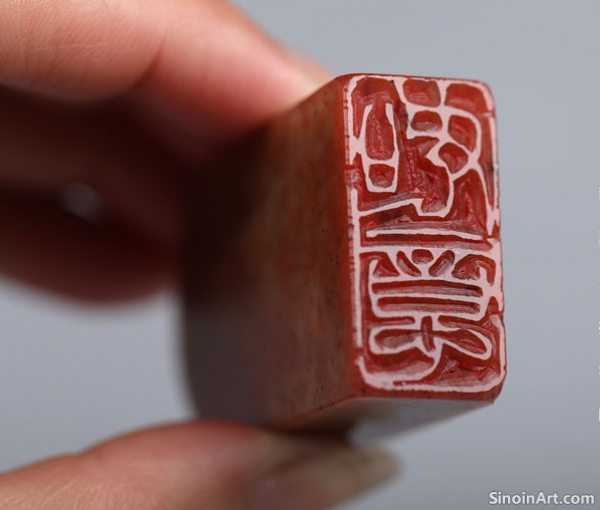 Beyond authentication, name seals also serve as a form of artistic expression. The placement, size, and style of the seal contribute to the overall aesthetic of the artwork. Seals can be used to add visual interest, balance, and a sense of completeness to a composition. The seals are integral to the visual and aesthetic qualities of the artworks.  The placement of seals on a work of art is often carefully considered. Seals are often placed in strategic locations to complement the composition, creating a visual balance and harmony. They can also be placed to enhance the design, providing balance, and adding dynamism. The use of multiple seals is also common in Chinese art. In addition to the artist’s name seal, other seals may be stamped onto the artwork, such as a studio seal or a collector’s seal. These multiple stamps add layers of historical and cultural meaning to the piece, providing additional provenance information. The use of name seals in art and calligraphy is an important part of Chinese cultural heritage. They serve as a connection between the artist, the artwork, and the viewers, enhancing the artistic and historical value of each piece. They are not merely practical devices, but add to the visual and artistic value of the works they are a part of. |
Tag : Seal Use in Art, Seal in Calligraphy, Authentication Seals, Chinese Art Seals, Artistic Expression
Related information
- The Contemporary Relevance of Seal Carving: A Living Tradition
- The Tools of the Trade: Essential Equipment for Seal Carving
- The Ancient Art of Chinese Seal Carving
- Inscriptions on Leisure Seals: Reflecting Personal Philosophies
- Contemporary Studio Seal Carving: Blending Tradition and Innovation
This article explores the contemporary relevance of Chinese seal carving, highlighting how modern artists are incorporating new themes, materials, technologies, and embracing globalization, all while remaining true to the traditions of the art form.
This article outlines the essential tools used by seal carvers, from the selection of chisels to the preparation of stone, explaining their specific functions and how they contribute to the finished product.
Explore the ancient art of Chinese seal carving (zhuanke), a traditional practice combining calligraphy and carving. Learn about its history, techniques, and cultural significance.
This article explores the diverse types of inscriptions found on leisure seals, examining their philosophical, literary, and personal meanings, and how they reveal the owner's inner world.
This article discusses the current state of studio seal carving, exploring how contemporary artists are both preserving traditional techniques and innovating with new approaches, reflecting a vibrant mix of styles.