The Contemporary Relevance of Seal Carving: A Living Tradition
|
While deeply rooted in ancient history, Chinese seal carving continues to be a relevant and vibrant art form in the contemporary world. Contemporary artists are not only honoring the traditional techniques and styles, but they are also experimenting with new materials, themes, and methods, ensuring that this art form remains a vital part of Chinese culture. The continued popularity of the art form speaks to its enduring quality. Contemporary artists are blending the traditional with the modern. 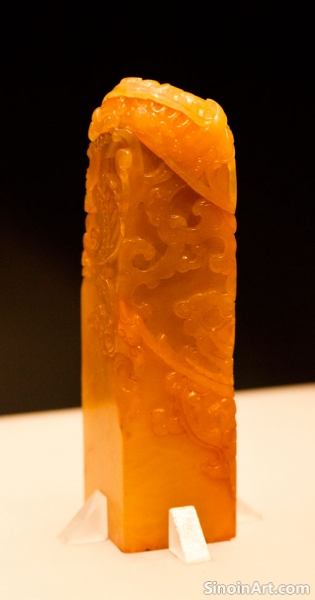 One of the most significant developments in contemporary seal carving is the incorporation of modern themes and subjects. While traditional seal carving often focused on characters from ancient texts, contemporary artists are now using the medium to express contemporary social commentary, abstract concepts, and personal narratives. This expansion of subject matter has allowed seal carving to engage with a wider audience. 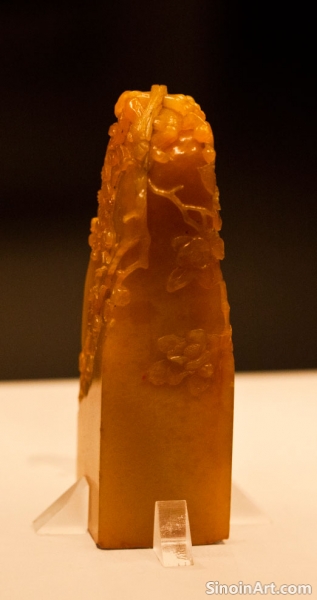 Contemporary artists are also experimenting with new materials in seal carving, moving beyond the traditional stones to incorporate materials such as glass, metal, and even acrylics. These experiments demonstrate the adaptability and versatility of the medium. These new materials can expand the possibilities of the art form. 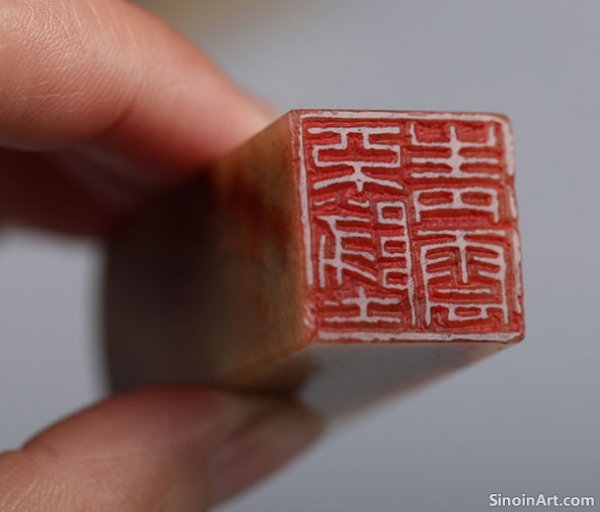 The rise of digital technology is also having an impact on contemporary seal carving. While traditional methods remain essential, artists are now using digital design tools, laser engraving, and other technologies to explore new possibilities. Digital tools allow for greater precision and efficiency in design. This has opened up possibilities that were not available before. The globalization of art has also had a significant impact on seal carving. As the art form gains popularity internationally, artists from diverse cultural backgrounds are now embracing it, bringing their unique perspectives and styles to the tradition. This cross-cultural exchange is enriching the artistic vocabulary of seal carving. In essence, contemporary seal carving is a dynamic and evolving art form that continues to connect the past with the present. Its ability to adapt and innovate, while remaining true to the core principles of the tradition, ensures that this ancient art form will continue to thrive and resonate with artists and audiences in China and around the globe. The art form serves as a bridge between the old and new. |
Tag : Contemporary Seal Carving, Modern Zhuanke Art, Chinese Seal, Innovative Techniques, Art Revival
Related information
- Famous Collectors and Their Seal Collections: A Legacy of Connoisseurship
- Design Elements of Collector's Seals: Composition and Visual Language
- The History of Seal Carving: From Function to Art
- The Significance of Studio Seals: An Introduction to Zhaiguan Yinzhang
- The Preservation of Seal Carving: Safeguarding an Ancient Art
This article highlights the collections of famous Chinese art collectors throughout history and their use of collector's seals, exploring the impact of their patronage and connoisseurship on the art world.
This article discusses the design elements of collector's seals, exploring how composition, borders, patterns, and pictorial elements contribute to the seal's visual language and its overall artistic impact.
This article traces the history of Chinese seal carving, from its functional origins in ancient China to its evolution into a refined art form, highlighting its development across different dynasties.
This article introduces the concept of Chinese studio seals, exploring their historical context, cultural significance, and how they differ from personal name seals.
This article explores the importance of preserving Chinese seal carving, focusing on the need for documentation, education, innovation, and the involvement of cultural institutions.