Contemporary Studio Seal Carving: Blending Tradition and Innovation
|
In the modern world, the tradition of studio seal carving continues to be practiced and appreciated by artists and enthusiasts alike. Contemporary seal carvers are actively engaging with the rich history of zhāiguǎn yìnzhāng while also pushing the boundaries of the art form through new materials, techniques, and design concepts. The balance of the old and the new ensures the continued vitality of studio seal carving. 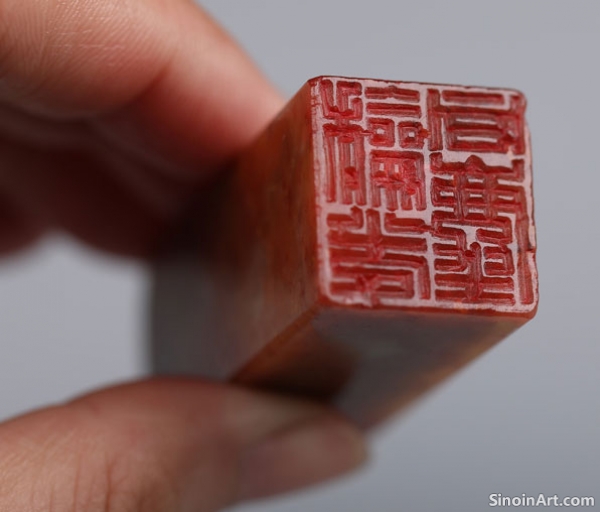 Many contemporary seal carvers remain dedicated to preserving traditional techniques, using the same tools, materials, and styles as their predecessors. This commitment to the art form’s heritage provides a foundation of understanding and technique for the current generation of artists. They strive to maintain the traditional techniques and values of the art.  Contemporary artists are also exploring new avenues for creativity, experimenting with different materials, carving methods, and designs. They may introduce new textures, patterns, or even non-traditional characters and iconography, exploring a new set of aesthetic principles. This innovation keeps the art form fresh and relevant in the modern world.  The use of digital technology has also begun to influence contemporary studio seal carving, with some artists using digital tools to plan designs or create computer-aided carvings. The digital age has also made the communication, and the teaching of the art much more accessible. Despite the changes, the core principles of studio seal carving remain the same: the expression of intellectual, artistic, and personal identity through the art form. Contemporary artists work to maintain the traditional values of the art, while innovating and adapting to new tools and styles. Contemporary studio seal carvers represent a vibrant continuation of a long and storied artistic tradition. By embracing both tradition and innovation, they ensure that studio seals remain a meaningful and powerful form of artistic expression in the modern era. The blending of old and new ideas ensures the continued relevance of the art form. |
Tag : Contemporary Studio Seals, Modern Zhaiguan Art, Seal Carving Trends, Artistic Innovation, Seal Today
Related information
- The Use of Studio Seals in Art Collecting and Authentication
- Notable Studio Seal Carvers and Their Contributions
- The Calligraphy Connection: Scripts in Chinese Seal Design
- The Materials of Chinese Seal Carving: From Stone to Jade
- Collector's Seals vs. Other Seal Types: Purpose and Usage
This article explores the practical and cultural significance of studio seals within the context of art collecting, particularly for authentication, provenance, and the cultural status of the collector.
This article highlights the achievements of notable studio seal carvers throughout history, discussing their unique styles, techniques, and the lasting impact they had on the tradition of zhāiguǎn yìnzhāng.
Explore the deep connection between Chinese calligraphy and seal carving. Learn about different scripts like Seal Script (zhuanshu) and Clerical Script (lishu), and their influence on seal designs.
Discover the diverse materials used in Chinese seal carving, from soapstone and jade to ivory and more. Learn about their characteristics and how they impact the final artwork.
This article compares and contrasts collector's seals with other types of Chinese seals, such as name seals, studio seals, and leisure seals, highlighting their unique functions and distinctive features.