The Ancient Art of Chinese Seal Carving
|
Chinese seal carving, or zhuanke, is a venerable art form that has been an integral part of Chinese culture for thousands of years. More than just a means of identification, seals in China carry significant cultural, artistic, and historical weight. They are used on documents, artwork, and personal correspondence, serving as a form of signature, authentication, and personal expression. This unique art combines calligraphy, design, and carving techniques to create miniature works of art. 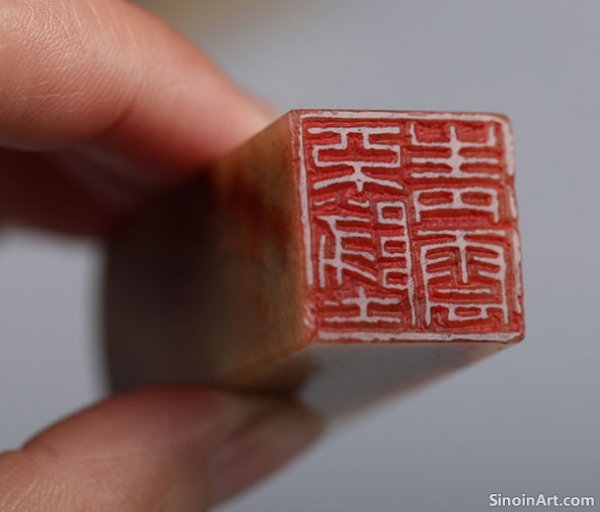 The origins of seal carving can be traced back to the Shang Dynasty (c. 1600-1046 BCE), when seals were primarily made of bronze and used by the ruling class. Over time, the materials evolved to include jade, precious stones, and various types of wood. The shapes, sizes, and designs of seals vary greatly, reflecting the aesthetic preferences of different eras and the individual styles of their creators. The carving process itself is meticulous, demanding steady hands, keen eyesight, and a deep understanding of the Chinese script and its nuances.  The designs on Chinese seals are not just random patterns; they often incorporate characters, auspicious symbols, or even miniature landscapes. These elements are carefully chosen and arranged to convey meaning and add visual appeal. The interplay between the positive (yang) and negative (yin) space in seal design is a crucial aspect of its aesthetic quality. Different carving techniques are also used, ranging from bold, forceful cuts to delicate, fine lines, adding to the expressive power of the seal. 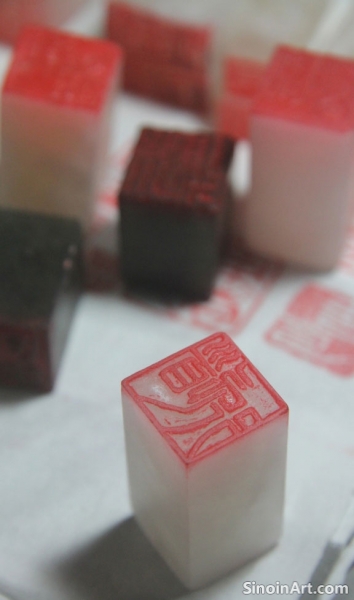 In the art world, Chinese seals are essential for authenticating paintings and calligraphy. Master artists often carve their own seals or have them commissioned by renowned seal engravers. The seal impression becomes a vital component of the artwork, adding another layer of visual and historical information. Collectors of fine art in China often prize both the painting or calligraphy and the seals that accompany them. Today, while seals may not be as essential for everyday transactions, the art of seal carving continues to be practiced by artisans and appreciated by enthusiasts worldwide. It is a living art form that bridges the ancient past and the modern present. Many artists continue to push the boundaries of the art, exploring new materials and techniques, ensuring that the ancient practice of seal carving remains relevant in the 21st century. |
Tag : Chinese seal carving, zhuanke, Chinese art, seal engraving, traditional Chinese art
Related information
- Collecting Studio Seals: Tips for Appreciating and Acquiring
- The Historical Evolution of Name Seals: From Ancient Origins to Modern Practice
- Collector's Seals vs. Other Seal Types: Purpose and Usage
- Famous Leisure Seal Carvers and Their Unique Styles
- The Interplay of Calligraphy and Seal Carving: A Unified Art
This article provides a practical guide for those interested in collecting studio seals, with advice on evaluating pieces, developing informed taste, and understanding the market for these unique art objects.
This article traces the historical development of name seals in China, from their early origins to their continued practice in modern times, highlighting key changes and developments in their design and usage.
This article compares and contrasts collector's seals with other types of Chinese seals, such as name seals, studio seals, and leisure seals, highlighting their unique functions and distinctive features.
This article highlights the works of notable leisure seal carvers throughout history, discussing their innovative techniques, distinctive styles, and lasting contributions to the art of xiánzhāng.
This article explores the intertwined relationship between Chinese calligraphy and seal carving, highlighting how calligraphy serves as the foundation for seal designs and how the two art forms complement each other.