Inscriptions on Leisure Seals: Reflecting Personal Philosophies
|
The inscriptions on xiánzhāng are a rich tapestry of thoughts, emotions, and personal philosophies. Unlike name seals or studio seals with their functional purpose, leisure seal inscriptions are chosen for their personal significance and ability to capture a specific mood or idea. The inscriptions can come from many sources, often reflecting the personal philosophy of their owner. 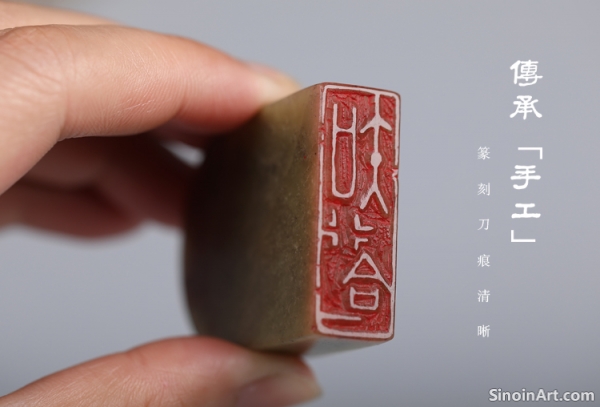 Many leisure seal inscriptions draw from classical Chinese literature, incorporating quotes from famous poems, essays, or philosophical texts. These literary allusions allow the owner to express their appreciation for the rich cultural heritage and to connect with a broader tradition of artistic and intellectual pursuit. The literary sources are central to many of the inscriptions.  Inscriptions may also express the owner's personal philosophies or beliefs. Phrases reflecting concepts such as balance, harmony, simplicity, or freedom are common choices. The inscriptions reflect the owner’s thoughts, values, and personality.  Some leisure seals feature humorous or playful inscriptions, reflecting the owner's sense of wit and their desire to approach life with a lighter attitude. These seals challenge the often formal tone of other types of seals, demonstrating that the art form has a range of possibilities. The seals are a reminder that life should be enjoyed. The selection of calligraphy is just as important as the inscription itself. Different script styles, such as seal script, running script, or clerical script, add layers of meaning and aesthetic dimension to the inscription. The selection of calligraphy is central to expressing the overall meaning of a seal. The inscriptions on leisure seals offer a glimpse into the minds and hearts of their owners. They are reflections of personal values, intellectual interests, and creative passions, adding a unique and meaningful dimension to the art of seal carving. They are a reflection of personal ideals, and of the owner's interests and personality. |
Tag : Leisure Seal Inscriptions, Xian Zhang Text, Seal Mottos, Chinese Philosophy, Seal Poetry
Related information
- The Historical Evolution of Name Seals: From Ancient Origins to Modern Practice
- Famous Seal Carvers and Their Legacy: Masters of Zhuanke
- The Role of Leisure Seals in Chinese Art and Literature
- Famous Leisure Seal Carvers and Their Unique Styles
- Collecting Studio Seals: Tips for Appreciating and Acquiring
This article traces the historical development of name seals in China, from their early origins to their continued practice in modern times, highlighting key changes and developments in their design and usage.
This article highlights some of the most influential seal carvers in Chinese history, discussing their distinctive styles, techniques, and the lasting impact they had on the art of zhuanke.
This article explores how leisure seals are used in Chinese painting, calligraphy, and literary works, adding a personal touch, aesthetic dimension, and layer of cultural meaning to these art forms.
This article highlights the works of notable leisure seal carvers throughout history, discussing their innovative techniques, distinctive styles, and lasting contributions to the art of xiánzhāng.
This article provides a practical guide for those interested in collecting studio seals, with advice on evaluating pieces, developing informed taste, and understanding the market for these unique art objects.