The History and Evolution of Xieyi
|
The roots of Xieyi painting can be traced back to the Song Dynasty (960-1279), when scholar-officials began to use painting as a means of personal expression rather than merely as a decorative art form. This shift was closely linked to the development of Chan (Zen) Buddhism, which emphasized intuition, spontaneity, and direct experience. Artists like Su Shi and Mi Fu, known for their literati paintings, pioneered the use of calligraphic brushwork to express inner feelings and the rhythms of nature. 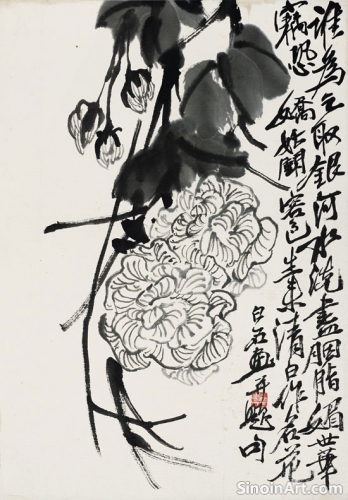 Over the subsequent dynasties, Xieyi evolved and diversified, with different schools and masters adding their unique perspectives. During the Yuan Dynasty (1271-1368), artists retreated from political life, finding solace and expression in landscape painting, often using Xieyi techniques to create works filled with a sense of longing and introspection. The Ming Dynasty (1368-1644) saw the emergence of individualistic artists like Xu Wei, whose bold and unrestrained style challenged convention, and laid the groundwork for the more radical approaches. 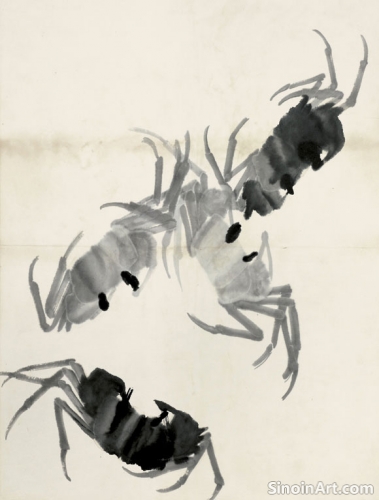 The Qing Dynasty (1644-1912) witnessed further innovation, with artists incorporating new subject matter and experimenting with different ink washes. Bada Shanren, for example, used exaggerated forms and unusual compositions to express his deep sense of turmoil and resistance. His unique and highly recognizable style, though very distinct, is grounded in the freehand brushwork that typifies Xieyi. The late Qing period also saw the introduction of Western art techniques, which, while not directly impacting Xieyi, prompted a dialogue and re-evaluation of traditional methods. 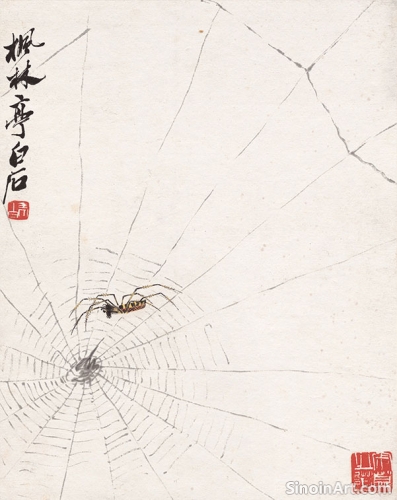 The 20th century saw a continued exploration of Xieyi, with artists like Qi Baishi and Pan Tianshou adapting its traditions to modern contexts. Qi Baishi, known for his lively depictions of insects, birds, and everyday objects, combined traditional techniques with a highly personal approach. Pan Tianshou emphasized the structural aspects of painting, creating powerful compositions with dynamic brushstrokes and bold use of ink. Their influence continues to resonate with contemporary Xieyi painters. Today, Xieyi remains a vibrant and evolving tradition. Contemporary artists are pushing the boundaries of the style, incorporating new materials, techniques, and subject matter while still remaining true to the core principles of spontaneity, expression, and the pursuit of the essence of things. The historical legacy of this art form, which is still being written, serves to deepen our understanding of the cultural, philosophical, and artistic significance of Xieyi painting. |
Tag : History of Xieyi painting, Song Dynasty art, Yuan Dynasty landscape, Xu Wei artist, 20th-century Xieyi
Related information
- Xieyi Painting and the Concept of "Yuan Qi"
- The Influence of Literati Painting on Xieyi
- Learning Xieyi Painting: A Path of Practice
- The Legacy and Future of Xieyi Painting
- The Significance of Brushwork in Xieyi Painting
"Yuan Qi" (original vital energy) is a core concept in Xieyi, representing the fundamental creative energy of the universe, pursued by artists aiming to capture the inner essence and inherent vitality of their subjects, requiring balance, mindfulness, and a deep connection with nature, imbuing their works with a sense of purpose and powerful intent.
Xieyi painting is deeply influenced by the tradition of literati painting, emphasizing personal expression, calligraphic brushwork, the blending of poetry and painting, and the pursuit of simplicity and naturalness.
Learning Xieyi painting involves mastering basic brushstrokes, observation of nature, studying old masters, developing a personal style, and cultivating patience and persistence. It is a process that blends technical skill with personal growth and understanding.
Xieyi painting, with its rich history and unique aesthetic, continues to hold significance and inspire artists, influencing contemporary art globally, ensuring the continuation of its traditions, and its continued evolution and relevance as it continues to express cultural values and universal truths, making it an enduring art form.
Brushwork is at the heart of Xieyi painting, serving as the primary means of artistic expression. The brush is not merely a tool; it is an extension of the artist’s hand and emotions. Mastery of the brush is essential to conveying the spirit and essence of a subject.