The Importance of "Dry Brush" in Xieyi
|
The "Dry Brush," or kěbǐ (渴筆) technique, is an essential aspect of Xieyi brushwork, involving the use of a brush with minimal ink and water. This technique creates lines and textures that are broken, scratchy, and uneven, adding a distinct visual character to the artwork. The dry brush can add a whole new dimension of texture and expressive power. 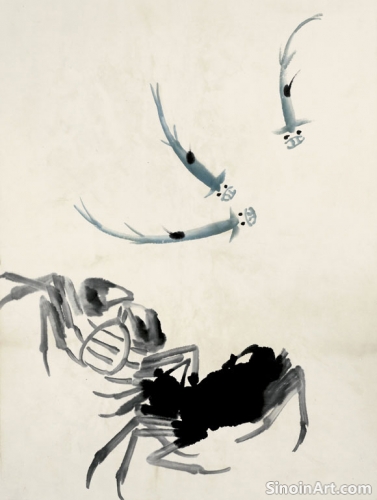 Dry brush strokes are particularly effective for depicting rough surfaces, such as rocks, tree bark, and withered branches, allowing artists to create a sense of texture and three-dimensionality. The irregular lines and textures add a raw and natural feeling. It is a valuable tool for recreating the textures found in the natural world. 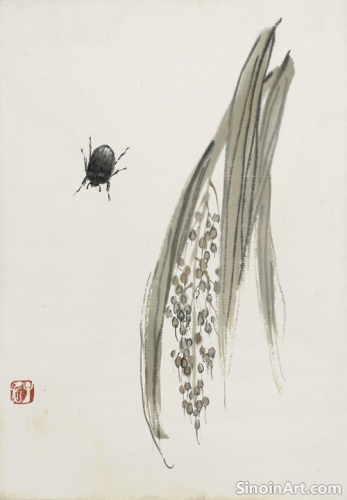 The use of "dry brush" can also convey a sense of age, decay, and the passage of time, making it especially suitable for depicting old buildings or landscapes that have been weathered by the elements. It’s often used to suggest the effects of time and the elements. 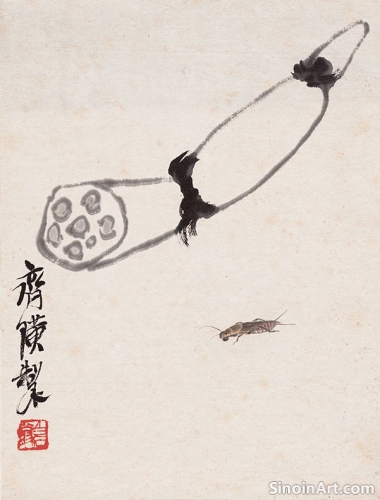 The "dry brush" also adds to the overall spontaneity and expressiveness of Xieyi, as the strokes are often less controlled and more unpredictable, adding a layer of organic energy to the painting. The dry brush offers a unique way of approaching the application of ink, it is inherently more spontaneous and less controlled. Mastering the "dry brush" requires a sensitive hand and a deep understanding of the materials. It takes practice to learn how to control the brush and create strokes that are both expressive and purposeful. The practice of the dry brush allows the artist to explore the texture of the ink itself. |
Tag : Dry brush technique, textured brushwork, Xieyi texture, ink wash technique
Related information
- The Legacy and Future of Xieyi Painting
- Famous Xieyi Artists: Masters of the Spontaneous Brush
- Xieyi Painting and the "Spirit of the Brush"
- The Use of "Broken Ink" in Xieyi
- The Cultural Significance of Xieyi: Beyond Artistic Form
Xieyi painting, with its rich history and unique aesthetic, continues to hold significance and inspire artists, influencing contemporary art globally, ensuring the continuation of its traditions, and its continued evolution and relevance as it continues to express cultural values and universal truths, making it an enduring art form.
This article highlights the contributions of famous Xieyi artists throughout history, including Xu Wei, Bada Shanren, Qi Baishi, and Zhang Daqian, discussing their unique styles and their influence on the evolution of the art form.
"Spirit of the Brush" (bǐyì) is central to Xieyi, emphasizing the unique expressive quality and energy that emanates from the brushstrokes, reflecting the artist's inner state, personal vision, and technical mastery, with each brushstroke imbued with intention, life, and a sense of spontaneity.
"Broken Ink" (pòmò) is a key technique in Xieyi painting, involving layering wet ink to create rich and varied tones, depth, atmosphere, and a sense of spontaneity, reflecting a controlled approach to the unpredictable nature of ink and water, adding visual texture and depth.
This article explores the cultural significance of Xieyi painting, highlighting its connection to Daoist philosophy, Chinese values, artistic heritage, and its role in preserving and expressing Chinese cultural identity.