The Use of "Multiple Brushstrokes" in Xieyi
|
"Multiple Brushstrokes," or cūn fǎ (皴法), are a series of textured brushstrokes used in Xieyi painting, particularly in landscape paintings, to create a sense of depth, texture, and form. These strokes are often used to depict mountains, rocks, and trees, adding visual complexity and depth to the artwork. They represent the accumulated knowledge of Xieyi masters across history. 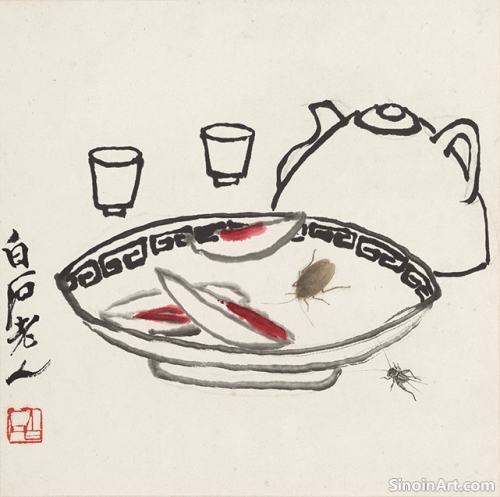 There are many different types of cūn fǎ, each with its own unique characteristics and expressive qualities. Some of the most common include "axe-cut" strokes, "hemp-fiber" strokes, and "raindrop" strokes, each suggesting different textures and forms. The techniques provide a wide expressive range. The use of "multiple brushstrokes" allows the artist to create a sense of three-dimensionality, suggesting the volume and depth of the landscape. They also can be used to represent lighting effects. They are a valuable technique for creating a sense of realism within the art form. 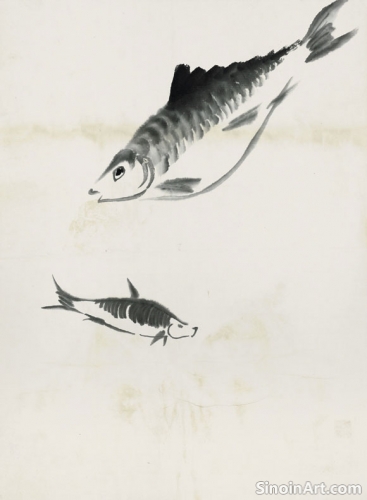 The application of cūn fǎ requires a high level of skill and a deep understanding of brushwork. The artist must be able to create lines that are both textured and expressive, often layering strokes to add depth and visual interest. It is a technique that requires a lot of practice and dedicated study. 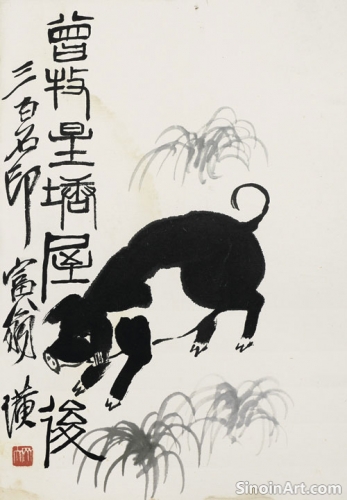 The strategic application of these brushstrokes can guide the viewer’s eye through the composition, creating a sense of movement and rhythm and adding visual complexity and dynamism. It is a key technique for building landscapes from simple brushstrokes. It adds both complexity and a sense of movement. |
Tag : multiple brushstrokes, textured lines, landscape technique, Xieyi method
Related information
- Xieyi Painting as a Form of Personal Expression
- The Cultural Significance of Xieyi: Beyond Artistic Form
- Xieyi Painting and the Depiction of Birds
- Xieyi Painting and its Global Influence
- Xieyi Landscape Painting: Capturing the Spirit of Nature
Xieyi painting is a deeply personal form of expression, allowing artists to share their inner world, interpret their subject matter freely, and create unique artworks that reflect their individual vision, emotions, and experiences, making it a vehicle for both artistic expression and self-discovery.
This article explores the cultural significance of Xieyi painting, highlighting its connection to Daoist philosophy, Chinese values, artistic heritage, and its role in preserving and expressing Chinese cultural identity.
Birds are frequently depicted in Xieyi painting through fluid brushstrokes that capture their form, movement, and energy, with symbolic meanings adding depth and emphasizing freedom, spontaneity, and the beauty of nature, while also showing the artist's technical skill and observation of the world.
Xieyi painting has influenced artists and art movements globally through its emphasis on spontaneity, expression, and suggestion, with its impact seen in abstract expressionism and many contemporary approaches to the application of ink, form, and the expressive potential of line, reflecting its enduring power and universal appeal.
Landscape painting (山水画, shanshuihua) is a major theme in Xieyi, reflecting a deep reverence for nature. Artists seek not to replicate realistic views, but to capture the essence and spirit of the natural world. They aim to evoke a feeling of vastness, serenity, and harmony.