Xieyi Painting and the Depiction of Birds
|
Birds are a frequent and beloved subject in Xieyi painting, offering a rich variety of forms, colors, and movements that provide endless opportunities for artistic expression. They also often carry symbolic meanings within Chinese culture, and artists use them as metaphors for broader concepts. They are a fascinating subject with a rich historical tradition in Chinese art. 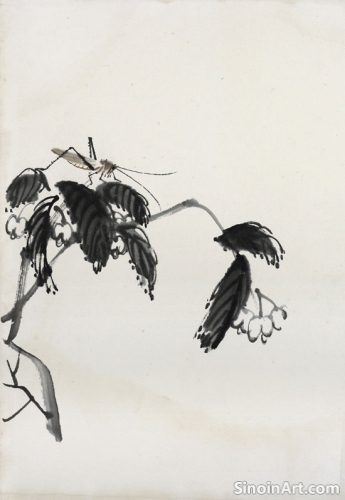 The use of fluid brushstrokes allows the artist to capture the delicate feathers, the graceful flight, and the lively energy of birds. The artist must have a deep understanding of brushwork and a strong ability to control the ink. It requires both technical mastery and also a sense of the living, vital energy that flows through every living thing.  Different species of birds often carry specific symbolic meanings in Chinese culture. The crane, for example, is associated with longevity and immortality, while the mandarin duck symbolizes love and marital fidelity. Artists are often very intentional with their selections of which birds to represent. The symbolic nature of the birds often adds a deeper level of meaning. 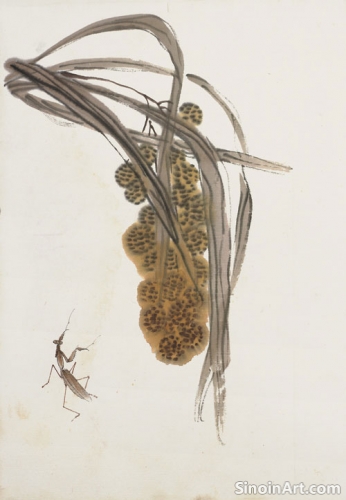 Xieyi bird paintings often emphasize the freedom and spontaneity of the birds, using the technique to express the uninhibited nature of flight, and the joy of movement. The feeling of being free is often conveyed powerfully within the paintings. It celebrates the natural grace and beauty of the animal. The artist uses ink washes and suggestive strokes to create a sense of depth, atmosphere, and movement, capturing the beauty and vibrancy of the natural world. The careful observation of nature makes these images both beautiful and highly evocative. They often feel as if they are alive on the page. |
Tag : Bird paintings, Xieyi birds, Chinese bird art, ink wash birds, animal depictions
Related information
- Early Development of Xieyi: Song and Yuan Dynasties
- Xieyi Painting and the Expression of Loneliness
- The Influence of Zen Buddhism on Xieyi Painting
- Xieyi Painting and the Use of "Splash Ink"
- The Use of Color in Xieyi Painting
The roots of Xieyi painting can be traced back to the Song Dynasty (960-1279), when scholar-officials began to develop a distinctive style of painting that reflected their unique values and aesthetics. The emphasis shifted from courtly patronage to individual expression, setting the stage for the emergence of Xieyi.
Xieyi painting powerfully expresses loneliness through suggestive compositions, vast negative space, solitary subjects, muted colors, and a sense of introspection, exploring solitude and the human condition, evoking melancholy and longing, and providing a space for contemplation and self-reflection.
Zen Buddhism has had a significant influence on the philosophy and practice of Xieyi painting. Zen’s emphasis on mindfulness, spontaneity, and direct experience resonates deeply with the core principles of Xieyi art. The relationship between Zen and Xieyi art is profound and ongoing.
"Splash Ink" (pōmò) is a bold and expressive Xieyi technique, involving the free and spontaneous application of ink to create large washes and evoke movement and dynamism, emphasizing the unpredictable nature of ink and water and strategically used to create balance, depth, and vitality.
Color in Xieyi painting is used subtly and suggestively, often in light washes to create luminous effects, enhance meaning, evoke emotion, and accent specific areas of a composition, with colors often carrying symbolic connotations and adding depth to the artwork.