The Cultural Significance of Xieyi: Beyond Artistic Form
|
Xieyi painting is more than just an art form; it's a profound expression of Chinese culture, history, and philosophy. It embodies the values, aesthetics, and worldview of Chinese civilization, reflecting a deep connection to nature, spirituality, and personal expression. Understanding the cultural significance of Xieyi is essential to appreciating its true depth and meaning, connecting the viewer with the soul of Chinese civilization. 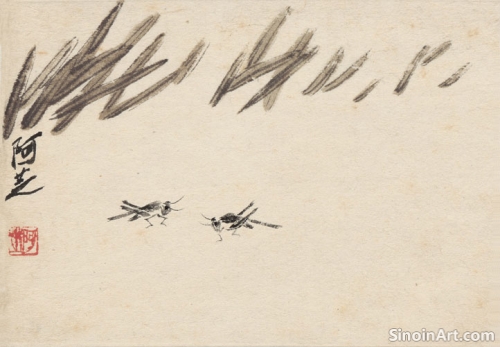 Xieyi painting is rooted in the Chinese philosophy of Daoism, which emphasizes the importance of spontaneity, naturalness, and harmony with the world around us. The artist's ability to capture the essence of a subject in a few strokes reflects the Daoist belief that the true nature of things lies in their underlying spirit, not just in their outward appearance. The Daoist philosophy influences the essence of Xieyi painting. 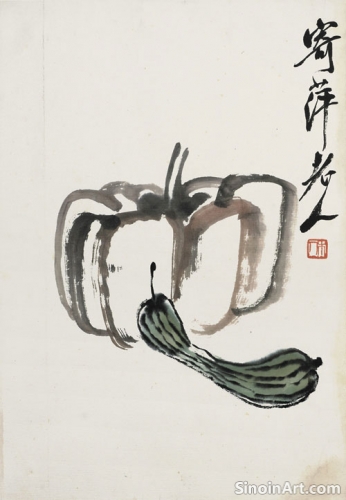 The emphasis on personal expression in Xieyi painting reflects the Chinese value placed on individuality and creativity. Unlike more rigid art forms, Xieyi allows artists to express their unique perspectives, thoughts, and emotions. It encourages a personal interpretation of the world, which is highly valued in Chinese philosophy. 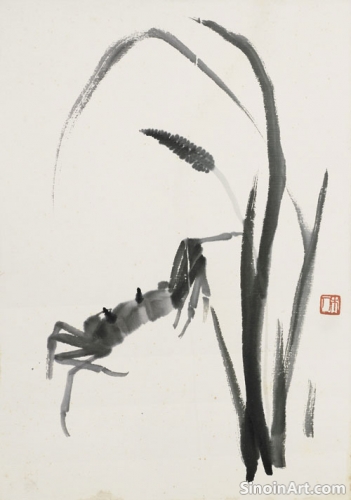 Xieyi painting is also deeply connected to the traditions of Chinese calligraphy. The use of brush, ink, and the emphasis on gestural brushstrokes link the two art forms, each enhancing the expressiveness and the beauty of the other. Calligraphy and painting are considered to be related and integral to Chinese culture. Beyond its philosophical and artistic values, Xieyi painting has played a significant role in the transmission of Chinese history and culture. Its unique style and subject matter reflect the tastes, preferences, and values of different historical periods. It is seen as a visual record of Chinese history and culture. Ultimately, Xieyi painting is a powerful expression of Chinese cultural identity. It reflects the values, aesthetics, and worldview of Chinese civilization. Its emphasis on spontaneity, expressiveness, and the capture of inner truths offer a window into the heart and soul of Chinese art and tradition. The art form bridges cultural differences and connects people through the shared appreciation of beauty. |
Tag : Cultural Significance Xieyi, Chinese Art and Culture, Traditional Chinese Philosophy, Chinese Artistic Heritage, Ink Painting Traditions
Related information
- The Role of Calligraphy in Xieyi Painting
- The Importance of Practice in Xieyi
- Xieyi Painting and the Influence of Nature
- Appreciating and Collecting Xieyi Paintings
- The Influence of Chan (Zen) Buddhism on Xieyi
Calligraphy forms the foundation of Xieyi painting, sharing similar brushwork techniques and aesthetic principles. The concept of "bone strength" and the integration of poetry, calligraphy, and painting are central to understanding the connection between these two forms.
Dedicated and consistent practice is essential for mastering Xieyi painting, developing technical skills, intuition, and spontaneity, while also fostering patience, perseverance, and a deeper understanding of the art form's philosophy and aesthetics, transforming the practice into a form of self-discovery.
Nature serves as the primary inspiration for Xieyi painting, influencing subject matter, aesthetic principles, and the pursuit of qi. Artists aim to capture the essential spirit and dynamism of the natural world, fostering a harmonious relationship with it through their artistic practice.
Appreciating and collecting Xieyi paintings requires an understanding of its aesthetics, symbolism, brushwork, and the artist's personal expression. Considerations when collecting include authenticity, provenance, and proper care and storage to preserve these delicate works.
Chan (Zen) Buddhism profoundly influences Xieyi painting, emphasizing intuition, direct experience, mindfulness, and the concept of emptiness, aligning with the art form's focus on spontaneity, self-expression, and the pursuit of truth through art.