Xieyi Painting and its Global Influence
|
Xieyi painting, while deeply rooted in Chinese culture, has had a significant influence on artists and art movements around the world. The principles of spontaneity, expressiveness, and the use of suggestion have resonated with artists from various backgrounds and cultures. Its appeal goes beyond cultural boundaries. Its influence can be seen in many different forms of contemporary art.  The impact of Xieyi can be seen in the development of abstract expressionism, where artists similarly emphasized the act of painting, spontaneity, and the expression of inner emotions. The sense of direct expression that is core to the Xieyi tradition also resonates with this later art movement. It shows that the influence has crossed cultural boundaries.  Many contemporary artists have incorporated elements of Xieyi into their work, experimenting with the use of ink and washes, and exploring the expressive potential of line and form. These contemporary approaches often borrow from the tradition but offer a unique and modern interpretation. It is a tradition that continues to evolve in new and dynamic ways. 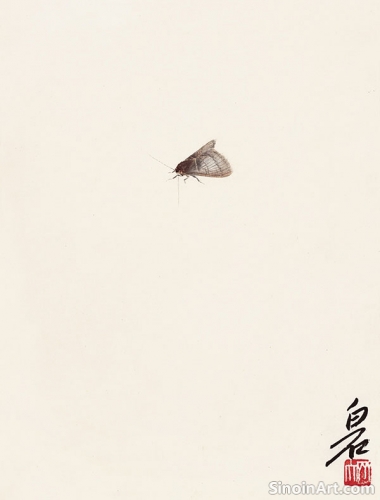 The emphasis on capturing the essence of things, rather than merely their surface appearance, has also influenced the way that artists from around the world approach representation. It encourages a more interpretive approach to art-making. It is the underlying intention of the artistic process that remains influential. The global impact of Xieyi painting is a testament to its enduring power and timeless aesthetic. It continues to inspire artists and to resonate with audiences across the world, serving as a constant source of innovation and creativity. The tradition transcends its cultural origins to provide inspiration for artists globally. It continues to evolve and influence artists around the world. |
Tag : Global influence, international art, ink wash impact, abstract painting, art movement
Related information
- The Concept of "Shu Qie" in Xieyi
- The Use of "Reversed Brush" in Xieyi
- Xieyi Painting in the Modern World: A Timeless Art
- The Connection Between Xieyi and Chinese Gardens
- The Cultural Significance of Xieyi: Beyond Artistic Form
"Shu Qie" (the written and the carved) emphasizes the connection between calligraphy and seal carving, influencing Xieyi through shared qualities of line, form, expression, and the use of seals, all of which combine to highlight the holistic nature of Chinese art, and inform the artistic process.
The "Reversed Brush" (nìfēng) in Xieyi involves starting a stroke by moving the brush in the opposite direction, then reversing to create strong, textured, dynamic lines, conveying a sense of force, resistance, and visual interest, while requiring precise control and a deep understanding of brush responsiveness.
This article explores the evolution of Xieyi painting in the modern world, highlighting the incorporation of contemporary themes, new materials, digital technologies, globalization, and its continued relevance.
Xieyi painting and traditional Chinese gardens share a focus on naturalness, harmony, strategic use of negative space, and asymmetry, both creating microcosms of nature that foster contemplation, reflection, and a deeper connection to nature and the human spirit, displaying shared design principles and underlying goals.
This article explores the cultural significance of Xieyi painting, highlighting its connection to Daoist philosophy, Chinese values, artistic heritage, and its role in preserving and expressing Chinese cultural identity.