The Use of Bronze in Ancient Chinese Transportation: Chariots and Fittings
|
Beyond ritual vessels and weapons, bronze also played an essential role in ancient Chinese transportation, particularly in the construction and decoration of chariots. The use of bronze in these objects reflects the technological prowess, social hierarchy, and military capabilities of the Shang and Zhou Dynasties. The use of bronze in transportation highlights the importance of the material during this period. 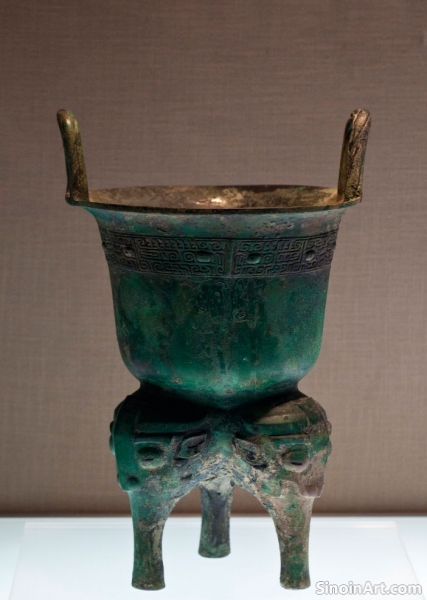 Bronze fittings, such as axle caps, wheel hubs, and decorative plates, were used to enhance the strength, durability, and visual appeal of chariots. The use of bronze in these items allowed for lighter, stronger, and more aesthetically pleasing designs. The use of bronze improved both the performance and the appearance of the chariots.  Chariots were not simply modes of transportation; they were also symbols of power and social status. Their visual appearance and the use of bronze were designed to communicate the position and importance of those who controlled them. The visual display of chariots was as important as their functional purpose. 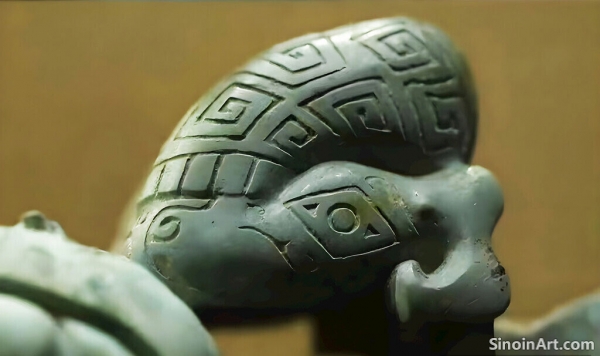 Bronze bells were often attached to chariots, not only to add to their visual impact but also to create a distinctive sound that would convey authority and status. The bells added a new sensory element to these machines of war and transport. The interplay between visual and auditory elements made them powerful symbols of power. The study of bronze in ancient Chinese transportation reveals not only the technological sophistication of the ancient world but also the complex interactions between social, political, and military power. The study of bronze used in chariots provides valuable insights into the social and political dynamics of the era. The way in which bronze was used in transportation is a fascinating element of ancient Chinese culture. |
Tag : bronze chariots, ancient transportation, Chinese bronze fittings, Zhou Dynasty vehicles, ancient technology
Related information
- The Art of Bronze Casting: Techniques and Innovations in Ancient China
- Bronze Ware and Trade Networks in Ancient China: Exchange and Interaction
- The Use of Bronze in Ancient Chinese Transportation Systems: Harnesses, Decorations, and the Technology of Movement
- The Ritual Use of Bronze Mirrors in Ancient China: Connecting Worlds and Warding Off Evil
- The Influence of Tang Dynasty Culture on the Design and Decoration of Bronze Ware
This article explores the art of bronze casting in ancient China, highlighting the development of techniques like piece-mold casting and the lost-wax method, and emphasizing the control of alloys, temperature, and the innovations of ancient metalworkers.
This article explores the role of bronze ware in ancient Chinese trade networks, highlighting its importance as a trade commodity, its contribution to the exchange of cultural ideas, and its role in connecting different regions of China.
This article explores the use of bronze in ancient Chinese transportation systems, highlighting its role in creating harnesses, decorative elements, and fittings for chariots and other vehicles, and underscoring its importance for the efficiency of transportation and travel.
This article explores the ritual use of bronze mirrors in ancient China, highlighting their role in guiding souls in the afterlife, in divination practices, in warding off evil, and demonstrating the powerful spiritual beliefs associated with these reflective objects.
This article explores the influence of Tang Dynasty culture on bronze ware, highlighting new forms, decorative techniques, and their shift toward more refined and elegant designs that reflect the style of the period, and its focus on elegance and beauty.