The Art of Bronze Casting: Techniques and Innovations in Ancient China
|
The art of bronze casting in ancient China represents a remarkable achievement in metallurgy and craftsmanship. The development of intricate casting techniques, from the early use of simple molds to the complex lost-wax method, showcases the ingenuity and innovative spirit of ancient Chinese metalworkers. These innovations helped to shape the course of Chinese art for many years to come. 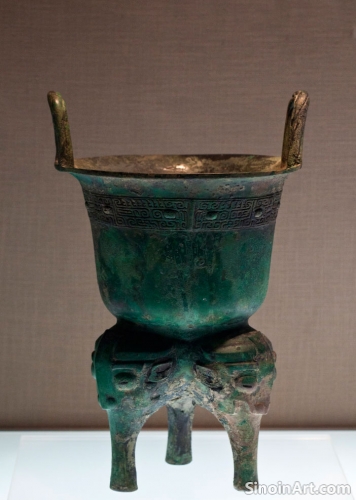 The piece-mold method, involving the use of multiple clay mold pieces to create more complex designs, was widely used, allowing for the fabrication of vessels with detailed decorations and intricate forms. The ability to create these objects highlights the mastery of mold creation and the use of innovative casting techniques. 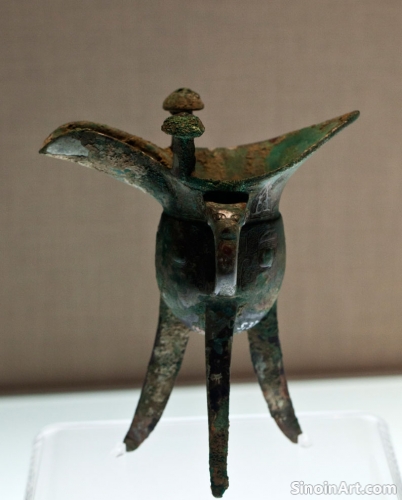 The lost-wax casting method, which utilized a wax model that was then encased in clay, was used to create highly detailed and individualized objects, which was particularly valuable for the creation of complex figures and designs. The skill needed to create these objects is still admired today. The innovative techniques of the bronze workers allowed for the creation of intricate and detailed works of art. 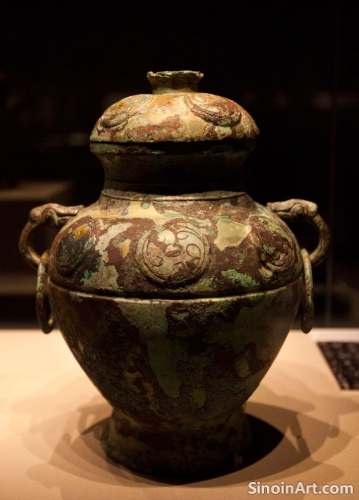 The control of temperature and the careful mixing of bronze alloys were also crucial aspects of the casting process, ensuring the production of high-quality objects. The careful monitoring of the casting process helped to ensure a reliable and high-quality output. The study of these casting techniques helps to provide a better understanding of the ingenuity and the skill of ancient Chinese metalworkers. The careful management of both materials and techniques allowed these workers to create objects that are still admired to this day. |
Tag : bronze casting, ancient Chinese metallurgy, lost-wax casting, piece-mold technique, bronze art
Related information
- The Influence of Nomadic Cultures on Chinese Bronze Ware: Cross-Cultural Exchanges
- The Use of Bronze in Ancient Chinese Writing Tools: Brushes, Ink Stones, and Writing Knives
- The Influence of Bronze Ware on Ancient Chinese Music Theory and Practice
- The Production and Use of Bronze in Ancient Chinese Musical Instruments: Harmony and the Cosmos
- Bronze Ware and the Development of Ancient Chinese Metallurgy: Innovations and Techniques
This article explores the influence of nomadic cultures on Chinese bronze ware, highlighting the adoption of new forms, styles, and techniques, the influence of animal motifs, and the role of trade and diplomacy in the transmission of cultural ideas.
This article explores the use of bronze in ancient Chinese writing tools, highlighting brush holders, ink stones, and writing knives, and demonstrating how bronze was used in both practical and artistic applications related to the production of written documents.
This article explores the influence of bronze ware on ancient Chinese music theory and practice, highlighting the role of bronze instruments like bells and chimes in shaping musical scales, performance styles, and the spiritual aspects of music.
This article explores the use of bronze in ancient Chinese musical instruments, highlighting the technical skill involved in their creation, the cosmological beliefs they represent, their role in ritual practices, and the interplay between music, spirituality, and the material world.
This article explores the development of ancient Chinese metallurgy in relation to bronze ware production, highlighting the discovery and use of different metals, the creation of alloys, the development of casting techniques, and the technical achievements of ancient metalworkers.