The Influence of Tang Dynasty Culture on the Design and Decoration of Bronze Ware
|
While the Shang and Zhou dynasties are often seen as the peak of bronze production, the Tang Dynasty (618-907 CE) also contributed to the art form, developing a distinctive style characterized by elegance, refinement, and new decorative techniques. The Tang style often emphasized a more fluid and natural approach, in contrast to the more rigid structure of earlier bronze pieces. The style of the bronze produced during this period reflects a broader cultural and aesthetic shift. 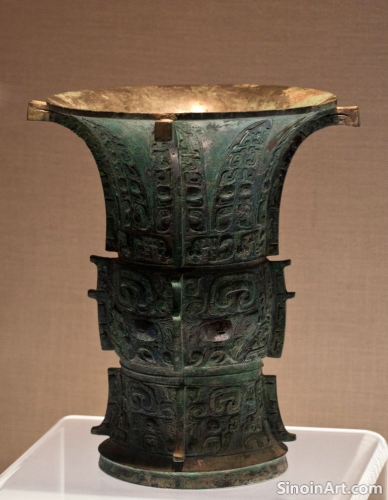 Tang Dynasty bronze ware often incorporated new forms, including those inspired by foreign trade and cultural exchange with other parts of Asia. This introduction of new ideas helped to transform the visual vocabulary of Chinese art. The cross cultural influence helped to give Tang bronze its unique and distinctive character.  The decoration on Tang bronze, influenced by the art of the period, emphasized flowing lines, naturalistic motifs, and elegant figures. The detailed designs and intricate patterns demonstrate the technical mastery of the bronze workers of the time.  The shift away from purely ritualistic objects was also a key feature of the period, with new forms and objects being created for practical or decorative use, and for the enjoyment of the ruling class. The use of bronze moved beyond purely religious purposes and came to be used in daily life and as status symbols. The influence of the Tang Dynasty on bronze ware helps to showcase the ongoing evolution of Chinese art, highlighting how new styles and approaches can blend traditional techniques with innovative design practices. The style and approach of the Tang era helped to shape future generations of artistic expression. |
Tag : Tang Dynasty bronze, Chinese art, decorative patterns, bronze evolution, design history
Related information
- Bronze Ware and the Development of Ancient Chinese Trade Practices: Routes, Markets, and Exchange
- The Role of Bronze in Ancient Chinese Communication: Inscriptions, Messages, and Records
- The Role of Bronze in Ancient Chinese Funerary Practices: Preparing the Deceased for the Afterlife
- The Use of Bronze in Ancient Chinese Water Control: Dams, Canals, and Irrigation Systems
- The Legacy of Chinese Bronze Ware in Contemporary Art and Design: New Interpretations
This article explores the role of bronze ware in the development of ancient Chinese trade practices, highlighting the emergence of trade routes, markets, and systems of exchange, and revealing its economic, social, and cultural impact.
This article explores the role of bronze in ancient Chinese communication, highlighting how bronze objects were used to record messages, transmit laws, document events, and how they served as a medium for communication and knowledge transmission.
This article explores the role of bronze in ancient Chinese funerary practices, highlighting the inclusion of ritual vessels, weapons, mirrors and other objects, and how these items reveal beliefs about the afterlife and the preparation of the deceased for their journey.
This article explores the use of bronze in ancient Chinese water control systems, highlighting its role in creating durable components for dams, canals, and irrigation networks, and demonstrating its importance for agricultural development and water management.
This article explores the lasting influence of Chinese bronze ware on contemporary art and design, highlighting how artists and designers reinterpret and adapt ancient forms, motifs, and techniques, creating new works that connect the past with the present.