Bronze Ware and Trade Networks in Ancient China: Exchange and Interaction
|
The distribution of bronze ware across ancient China was facilitated by complex trade networks that connected various regions, promoting cultural exchange and the dissemination of new styles and techniques. Bronze was an important commodity that helped to link different areas of the country and facilitate both trade and cultural interactions. 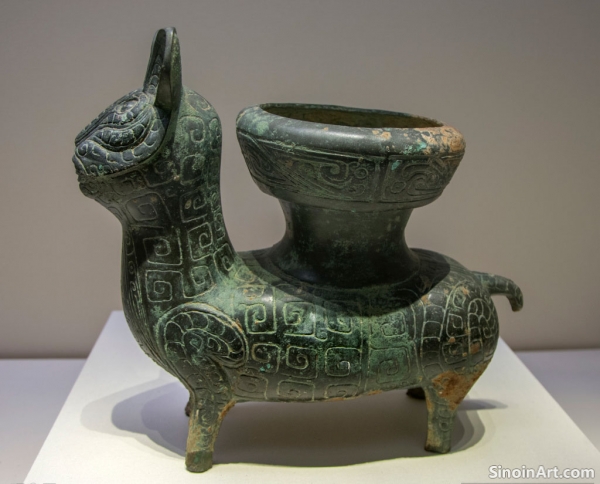 The movement of bronze objects along these networks helped to spread not only the actual metal items themselves but also the cultural and aesthetic ideas associated with them. The trade routes helped to create a more unified cultural landscape. The trading networks that crisscrossed the country were essential to the development of Chinese culture.  The discovery of bronze artifacts from different regions at archaeological sites highlights the far-reaching extent of these trade networks and the movement of goods and ideas. The study of these pieces in new and different contexts helps to show the complexity of the trading routes of the era. The discovery of pieces far from their point of creation help to indicate the extent of these trade networks. 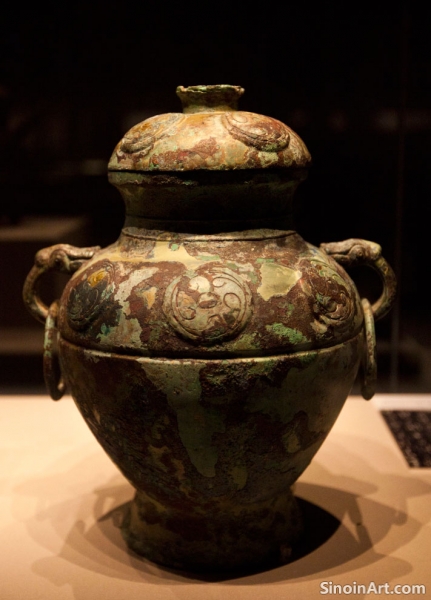 The study of trade networks also reveals insights into the relationships between different regions and cultures, as well as the movement of raw materials, finished products, and the exchange of artistic ideas. The trading routes helped to facilitate both economic and artistic exchanges between different groups of people. Bronze ware, therefore, played an important role in connecting different regions of China and helping to create a more interconnected world. The study of trade networks provides a valuable insight into the movement of people, goods, and ideas during this era. |
Tag : bronze trade networks, ancient China, cultural exchange, ancient trade routes, bronze distribution
Related information
- Bronze Ware and the Ancient Chinese Elite: Luxury, Status, and Power
- The Social and Political Symbolism of Bronze Weapons: Power, Authority, and Military Might
- Bronze Ware and Ancient Chinese Medicine: Vessels for Preparing and Storing Remedies
- The Ritual Use of Bronze Mirrors in Ancient China: Connecting Worlds and Warding Off Evil
- The Challenges of Reconstructing Ancient Bronze Casting Techniques: Experimental Archaeology
This article explores the association of bronze ware with the ancient Chinese elite, highlighting its use as a symbol of wealth, status, power, and its role in reinforcing social hierarchies and displaying authority.
This article explores the social and political symbolism of bronze weapons in ancient China, highlighting their connection to power, authority, and military might, and demonstrating how the possession and display of these objects reflected status and leadership.
This article explores the use of bronze in ancient Chinese medicine for preparing and storing remedies, highlighting the creation of specialized vessels and containers, and revealing the connection between metallurgy and traditional healing practices.
This article explores the ritual use of bronze mirrors in ancient China, highlighting their role in guiding souls in the afterlife, in divination practices, in warding off evil, and demonstrating the powerful spiritual beliefs associated with these reflective objects.
This article explores the challenges of reconstructing ancient Chinese bronze casting techniques through experimental archaeology, highlighting the process of recreating tools, materials, and methods, and revealing the skills and challenges faced by ancient bronze workers.