The Use of Bronze in Ancient Chinese Transportation Systems: Harnesses, Decorations, and the Technology of Movement
|
Beyond the larger structures of ships and chariots, bronze played a vital role in the creation of smaller-scale components that were essential to both functional and decorative aspects of ancient Chinese transportation systems. The use of bronze in these areas also provides insights into the importance of trade, travel, and social status in the ancient world. The ingenuity in creating these specialized components is a testament to the skill of the metalworkers of the era. 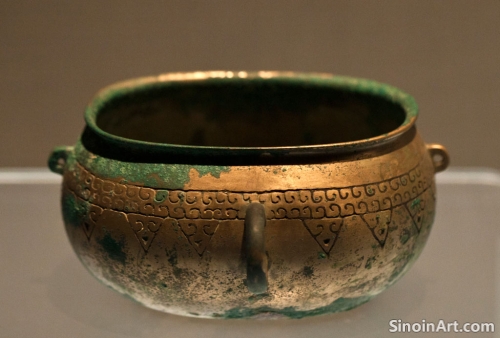 Bronze was used to create harnesses for horses and other draft animals, combining strength and durability with decorative designs, and further highlighting the importance of craftsmanship in the production of even the most functional pieces. The inclusion of elaborate decorations on harnesses helped to communicate wealth and also to convey the importance of animal power in ancient transportation.  Bronze fittings, such as axle caps, wheel hubs, and decorative plaques, were used to enhance both the strength and the visual appearance of chariots and carts, highlighting the desire to create both functional and beautiful forms. The care taken with the ornamentation of these objects further reflects their importance as symbols of power and status. The intricate design of these pieces helped to underscore the importance of travel and trade in ancient China.  Bronze was also used to create markers, signs, and even bells that were used to both guide travelers, and also to announce the passing of caravans and other forms of transport, demonstrating the ability to use visual and sonic signals in communication and coordination. The creation of these devices further highlights the importance of trade and travel in the ancient Chinese world. |
Tag : bronze transportation, Chinese harnesses, chariot fittings, ancient travel, road systems
Related information
- The Role of Bronze in Ancient Chinese Storytelling: Depictions of Myths and Legends
- The Development of Bronze in the Spring and Autumn Period: New Forms, Techniques, and Regional Styles
- The Use of Bronze in Ancient Chinese Musical Instruments: Exploring Tonality and Harmony
- Bronze Ware and the Development of Ancient Chinese Writing Styles: A Visual Record of Language Evolution
- Bronze Weights and Measures in Ancient China: Standardization and Trade
This article explores the role of bronze ware in ancient Chinese storytelling, highlighting how bronze objects depicted myths, legends, and heroic figures, and how they helped to preserve and transmit cultural narratives through a visual medium.
This article explores the development of bronze ware during the Spring and Autumn period, highlighting new forms, innovative techniques, and the rise of distinctive regional styles, reflecting the growing artistic diversity of the time.
This article explores the use of bronze in ancient Chinese musical instruments, highlighting the precise tuning, the exploration of tonality and harmony, and how these instruments reflected both musical practices and the advanced understanding of acoustics during the period.
This article explores how inscriptions on bronze ware provide a visual record of the evolution of ancient Chinese writing styles, highlighting the influence of the medium on script forms, layout, and the development of calligraphic principles.
This article explores the use of bronze for weights and measures in ancient China, highlighting the importance of standardization, fair trade practices, and the role these artifacts played in facilitating commerce across the empire.