The Use of Bronze in Ancient Chinese Ritual Masks: Power, Transformation, and the Spirit World
|
Bronze masks in ancient China, often featuring dramatic and stylized depictions of faces, creatures, or deities, were powerful ritual objects, used in ceremonies and performances to invoke the presence of spiritual forces, to embody ancestral spirits, and to facilitate transformative experiences. These objects were designed to emphasize the power of the spirit world and to call it into the realm of the living.  These masks often featured exaggerated features, including large eyes, prominent teeth, and elaborate headdresses, all designed to create a powerful visual impact and to suggest that these entities were not of the human world. The visual design was intended to create an otherworldly and striking impression. These dramatic features enhanced the transformative and spiritual nature of these objects. 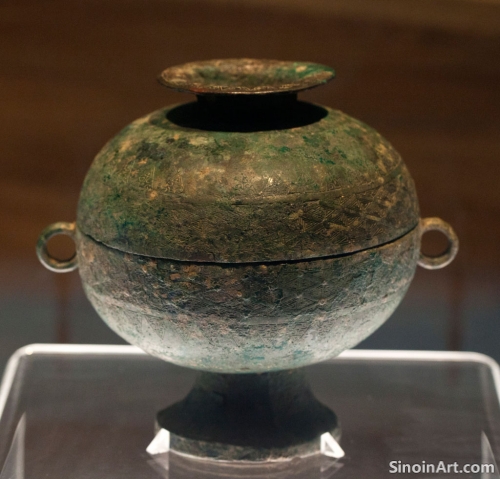 The act of wearing a bronze mask was believed to be a powerful means of connecting with the spirit world, and sometimes even to embody the persona of a deity or ancestor. These masks helped to allow individuals to connect with forces beyond the everyday world. The performance and the masks were deeply intertwined with the ancient Chinese understanding of magic and ritual.  The use of bronze masks in ritual contexts highlights the importance of both visual and symbolic communication in ancient Chinese religious practices. These pieces were meant to be seen, as well as to be used to invoke a spiritual presence. The visual and symbolic elements were essential aspects of the overall experience. The study of bronze masks in ancient Chinese rituals helps to reveal the complex interplay between material culture, religious beliefs, and transformative experiences. The power and beauty of these objects continues to fascinate and inspire many to this day. They offer a powerful glimpse into ancient spiritual beliefs. |
Tag : bronze ritual masks, ancient Chinese magic, spirit world, ritual performance, deity depictions
Related information
- Bronze Ware and the Development of Ancient Chinese Calendar Systems: Marking Time and Ritual Cycles
- The Preservation of Bronze Artifacts: Understanding the Chemistry of Corrosion and Deterioration
- Bronze Ware and the Representation of Power in Ancient Chinese Royal Courts
- Bronze Ware and Ancient Chinese Notions of Heaven and Earth: A Cosmic Worldview
- Regional Variations in Chinese Bronze Ware: Exploring Cultural Diversity
This article explores the use of bronze in ancient Chinese calendar systems, highlighting its role in creating timekeeping devices like sundials, tracking the passage of time, and linking calendars to both agricultural and ritual cycles.
This article explores the chemistry of bronze corrosion and deterioration, highlighting the scientific principles behind conservation efforts, and the methods and techniques used to stabilize and preserve these artifacts for future generations.
This article explores the use of bronze ware in ancient Chinese royal courts, highlighting its role in representing authority, wealth, and social status, demonstrating how bronze objects were used to reinforce the power of the ruling class.
This article explores how bronze ware reflected ancient Chinese concepts of the cosmos, highlighting the integration of celestial symbols, the use of balanced forms, and the interplay between human activities and the perceived order of the universe.
This article explores the regional variations in Chinese bronze ware, highlighting how different regions developed their unique styles, forms, and techniques, reflecting the diverse cultural landscape of ancient China.