Regional Variations in Chinese Bronze Ware: Exploring Cultural Diversity
|
While a common style of bronze casting existed in ancient China, regional variations in forms, designs, and casting techniques demonstrate the cultural diversity of the time. Different regions developed their unique approaches to bronze production, reflecting local traditions and beliefs. Regional variations are an important element in the study of Chinese bronzes. 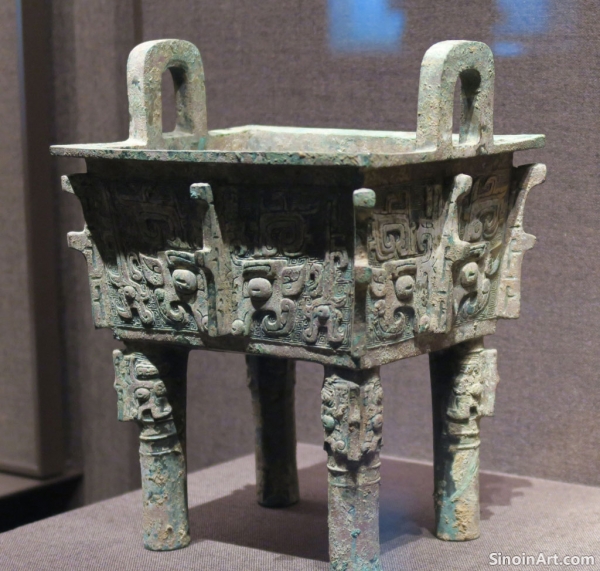 In the Central Plains region, the heartland of the Shang and Zhou dynasties, bronze ware was often characterized by intricate designs, precise craftsmanship, and a strong emphasis on ritual and ancestral worship. The styles and forms used in the Central Plains area are an ideal starting point for understanding the broader styles of the era. The styles of the central plains helped to set the standard for other regions. 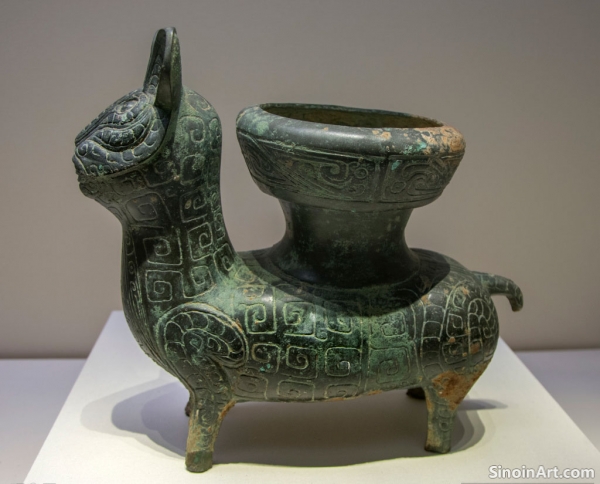 In the southern regions of China, different traditions, such as those of the Chu Kingdom, developed bronze styles that often combined elements of both the central Chinese tradition with local aesthetic preferences. The combination of local styles and Chinese styles helped to create unique and distinctive regional variations. 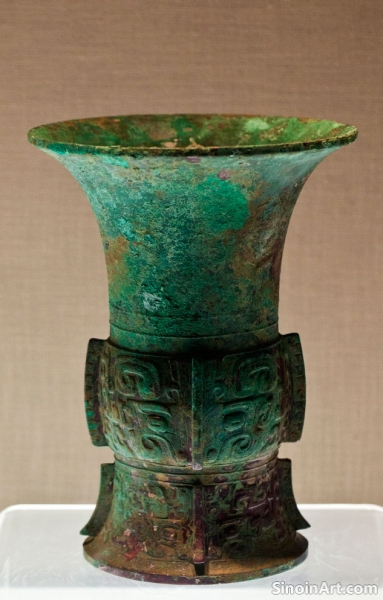 In the northern regions of China, styles of bronze were often influenced by nomadic groups, with designs and shapes reflecting the cultures of the steppe. The cross-cultural interactions helped to influence both style and the materials used in the bronze. This also led to distinctive regional variations in how bronze was employed. The study of regional variations in Chinese bronze ware allows us to gain a deeper appreciation for the complex cultural landscape of ancient China. The unique and varied approaches to the craft help to highlight the diversity of the region. The regional styles show a wide range of artistic styles, reflecting different cultures of the era. |
Tag : regional bronze ware, Chinese bronze styles, Chu culture, ancient China, bronze art
Related information
- The Impact of Bronze Ware on Ancient Chinese Burial Customs: Ritual Objects and the Afterlife Journey
- Bronze Ware and Ancient Chinese Trade Networks: Evidence of Cultural and Economic Exchange
- The Use of Bronze in Ancient Chinese Musical Instruments: Exploring Tonality and Harmony
- The Use of Bronze in Ancient Chinese Writing Tools: Brushes, Ink Stones, and Writing Knives
- The Ethical Responsibilities of Museums in Displaying Chinese Bronze Ware: Context and Interpretation
This article explores the impact of bronze ware on ancient Chinese burial customs, highlighting their role as grave goods, their connection to beliefs about the afterlife, and how they reflect the status and spiritual needs of the deceased.
This article explores the role of bronze ware in ancient Chinese trade networks, highlighting the distribution of artifacts, the movement of raw materials, and the cultural and economic impact of these trading connections on the development of China.
This article explores the use of bronze in ancient Chinese musical instruments, highlighting the precise tuning, the exploration of tonality and harmony, and how these instruments reflected both musical practices and the advanced understanding of acoustics during the period.
This article explores the use of bronze in ancient Chinese writing tools, highlighting brush holders, ink stones, and writing knives, and demonstrating how bronze was used in both practical and artistic applications related to the production of written documents.
This article explores the ethical responsibilities of museums in displaying Chinese bronze ware, highlighting the need for proper context, transparency about provenance, respect for cultural sensitivities, and the role of museums as stewards of cultural heritage.