The Preservation of Bronze Artifacts: Understanding the Chemistry of Corrosion and Deterioration
|
The preservation of Chinese bronze ware is a complex scientific undertaking, requiring a deep understanding of the chemical processes that cause corrosion, deterioration, and the breakdown of these objects over time. The proper preservation of these pieces requires an approach that is both artistic and also deeply scientific. The proper preservation of these artifacts helps to ensure that they are available for generations to come. 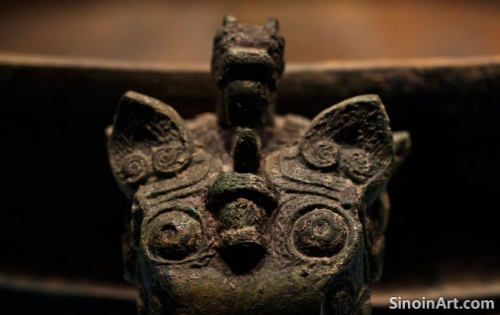 Bronze corrosion is often caused by a complex chemical process involving interaction with oxygen, moisture, salts, and acids. These processes can cause severe damage to both the surface and structure of the artifacts. Understanding these processes is essential to stopping their further development. 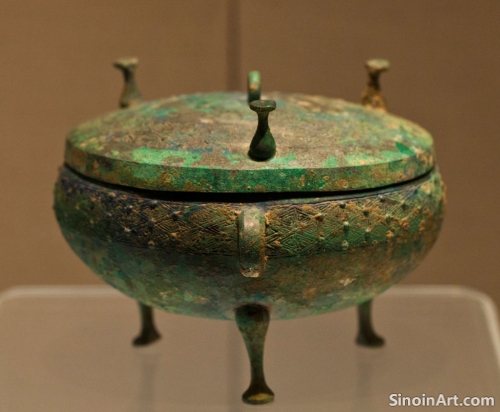 Conservation efforts involve the application of special techniques and chemical treatments to stabilize the bronze, to remove harmful deposits, and also to add protective coatings. The careful application of these methods can help to slow or even stop the process of deterioration. The long term care of these pieces requires a thorough understanding of their properties. 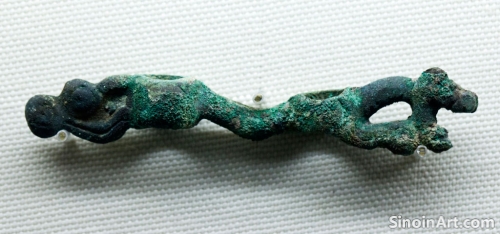 Modern scientific methods, such as X-ray fluorescence and other forms of material analysis, also help conservators to better understand the composition of the bronze and the causes of its degradation, allowing for the creation of better targeted conservation approaches. The scientific approach to conservation has helped to expand the life of artifacts and also to enhance our understanding of them. The continued research in the area of materials science helps to illuminate the long term processes of decay and to create better methods of preservation and display. The ongoing research into the chemistry of bronze will help to further protect these valuable cultural treasures. |
Tag : bronze corrosion, artifact preservation, conservation science, metal degradation, chemical analysis
Related information
- Bronze Ware and the Development of Ancient Chinese Trade Routes: Pathways for Exchange and Innovation
- Bronze Ware and Ancient Chinese Philosophy: Exploring the Connection Between Material Culture and Intellectual Thought
- The Role of Bronze Ware in Ancient Chinese Trade with Southeast Asia: Exchange of Goods and Cultural Ideas
- The Influence of Bronze Ware on the Development of Ancient Chinese Military Strategy and Tactics
- The Preservation of Bronze Ware: Balancing Scientific Methods with Artistic Understanding
This article explores the relationship between bronze ware and ancient Chinese trade routes, highlighting how the movement of objects and raw materials fostered cultural exchange, innovation, and the development of complex economic networks.
This article explores the connection between bronze ware and ancient Chinese philosophy, highlighting how Confucian, Daoist, and Legalist ideas influenced the forms, designs, and symbolic meanings of these objects, demonstrating the interplay between material culture and intellectual thought.
This article explores the role of bronze ware in ancient Chinese trade with Southeast Asia, highlighting the exchange of goods, the spread of cultural ideas, and the impact on both economic and artistic development across the region.
This article explores the influence of bronze ware on ancient Chinese military strategy and tactics, highlighting its role in the development of weapons, armor, chariots, and how these technologies transformed the nature of ancient warfare.
This article explores the preservation of Chinese bronze ware, highlighting the balancing act between scientific analysis and artistic understanding, the need for specialized techniques and ethical considerations, and also the need to provide access and ensure their long-term care.