Bronze Ware and the Development of Ancient Chinese Calendar Systems: Marking Time and Ritual Cycles
|
Beyond its use in ritual and everyday life, bronze also played a role in the development of ancient Chinese calendar systems, used in the creation of astronomical instruments, timekeeping devices, and other tools that were essential for maintaining agricultural, social, and religious calendars. The connection between bronze and the management of time is an important aspect of ancient Chinese history and culture. The role of bronze in marking and measuring time highlights its importance in ancient society. 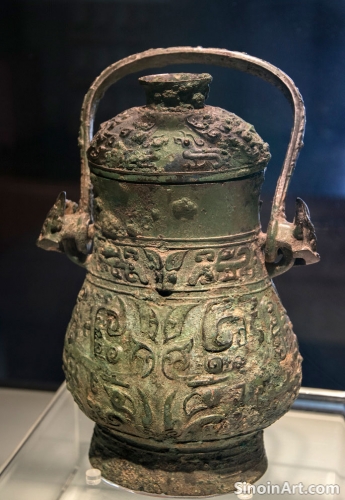 Bronze sundials and other timekeeping devices were used to track the passage of days, seasons, and years, helping to create standardized calendars and to coordinate agricultural practices. The use of these objects helped to create a more reliable framework for ancient Chinese life. The accuracy of these objects was essential to ensuring that both ritual and agricultural activities were carried out at the proper times. 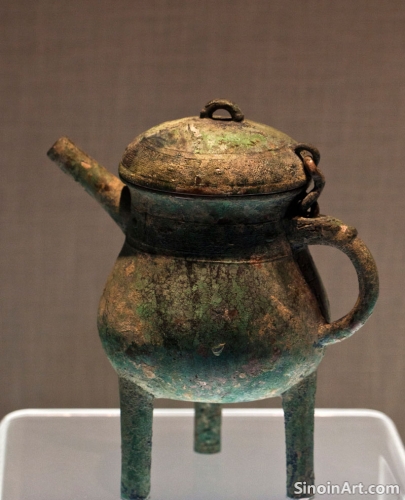 Bronze objects were also used to mark important dates and events on the calendar, often with inscriptions or symbols that commemorated key moments in religious and historical cycles. The careful marking of important dates was essential to a structured and predictable society. The ritual and symbolic elements were often designed to reflect their place in a larger cosmic cycle. 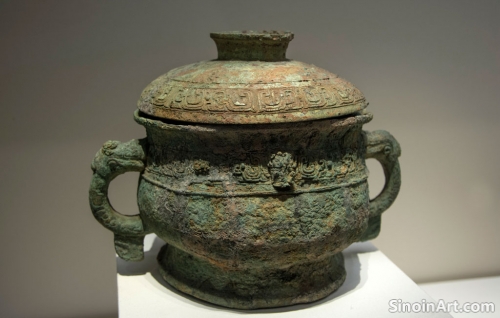 The study of bronze in the context of timekeeping and calendar systems highlights the interconnectedness of science, technology, and cultural practices in ancient China. The interplay between science and religious practice was a key element of daily life. The combination of artistic expression and scientific thought produced a unique and intriguing body of artifacts. |
Tag : bronze calendars, ancient timekeeping, Chinese astronomy, sundials, ritual cycles
Related information
- Bronze Mirrors as Tools of Divination and Magic in Ancient China
- The Social and Political Symbolism of Bronze Weapons: Power, Authority, and Military Might
- Bronze Weights and Measures in Ancient China: Standardization and Trade
- Exploring Chinese Bronze Ware: A Guide for Beginners
- The Influence of Tang Dynasty Aesthetics on Later Bronze Ware Design
This article explores the use of bronze mirrors as tools of divination and magic in ancient China, highlighting their perceived spiritual powers, their role in rituals and protective practices, and the insights they offer into ancient Chinese beliefs.
This article explores the social and political symbolism of bronze weapons in ancient China, highlighting their connection to power, authority, and military might, and demonstrating how the possession and display of these objects reflected status and leadership.
This article explores the use of bronze for weights and measures in ancient China, highlighting the importance of standardization, fair trade practices, and the role these artifacts played in facilitating commerce across the empire.
This article provides a guide for beginners to the study of Chinese bronze ware, outlining key periods, types of objects, common motifs, and providing a roadmap for a deeper exploration of this fascinating art form.
This article explores the influence of Tang Dynasty aesthetics on later bronze ware design, highlighting the shift toward more refined forms, delicate decorations, naturalistic motifs, and how these changes reflected a broader change in cultural tastes.