Bronze Ware and Ancient Chinese Notions of Heaven and Earth: A Cosmic Worldview
|
Beyond their earthly function, Chinese bronze objects were often intended to reflect a wider understanding of the relationship between Heaven, Earth, and humanity, reflecting the ancient Chinese concept of a unified cosmos and the importance of balance and harmony within all levels of existence. The bronze artifacts are a testament to the effort of the people of the time to integrate a scientific understanding of the world with their spiritual beliefs. The desire to live in harmony with the forces of the cosmos was a defining element of ancient Chinese life. 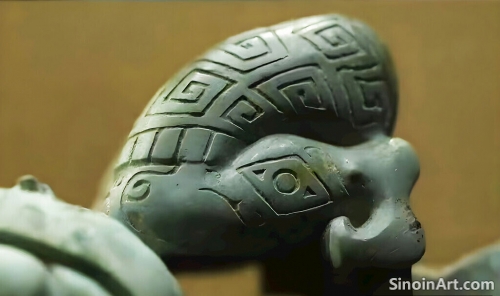 The designs on bronze objects often included symbols of celestial bodies, including the sun, moon, and stars, linking the earthly realm with the rhythms of the universe, and further emphasizing a connection between the human and the heavenly. The careful integration of these symbols helped to emphasize the deep relationship between these two realms of existence. 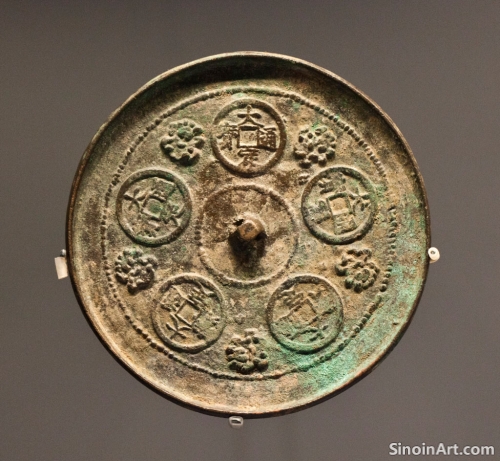 The shapes and forms of bronze vessels were also often designed to reflect the order and harmony of the cosmos, with symmetrical patterns and balanced proportions intended to align with the structure of the universe. The use of geometry and balance in the designs reflected the belief in an underlying universal order.  The use of bronze in ritual instruments, including bells and chimes, was also intended to help to create a sense of harmony with the cosmos, and also with the world beyond the earthly realm. The sounds were believed to be able to cross the boundaries of the visible and to connect with forces beyond human understanding. The study of bronze ware and its relation to cosmology helps to provide a deeper understanding of the ancient Chinese worldview, revealing their quest to understand the relationship between humanity and the cosmos. The combination of spiritual, scientific, and artistic thought is a key element in the study of these important objects. |
Tag : bronze cosmology, ancient Chinese beliefs, Heaven and Earth, cosmic symbols, worldview
Related information
- Bronze Ware and the Development of Ancient Chinese Trade Practices: Routes, Markets, and Exchange
- The Use of Bronze in Ancient Chinese Agriculture: Tools and Innovations
- Bronze Ware and Ancient Chinese Medicine: Vessels for Preparing and Storing Remedies
- The Impact of Bronze Ware on Ancient Chinese Burial Customs: Ritual Objects and the Afterlife Journey
- Bronze Ware and Ancient Chinese Concepts of the Afterlife: Journey, Protection, and Eternity
This article explores the role of bronze ware in the development of ancient Chinese trade practices, highlighting the emergence of trade routes, markets, and systems of exchange, and revealing its economic, social, and cultural impact.
This article explores the use of bronze in ancient Chinese agriculture, highlighting the types of tools and implements used, its role in enhancing agricultural productivity, and its impact on the development of ancient Chinese society.
This article explores the use of bronze in ancient Chinese medicine for preparing and storing remedies, highlighting the creation of specialized vessels and containers, and revealing the connection between metallurgy and traditional healing practices.
This article explores the impact of bronze ware on ancient Chinese burial customs, highlighting their role as grave goods, their connection to beliefs about the afterlife, and how they reflect the status and spiritual needs of the deceased.
This article explores the role of bronze ware in ancient Chinese funerary practices, highlighting the use of these objects to prepare the deceased for their journey into the afterlife, providing protection and ensuring their continued well-being in the spirit world.