The Use of Bronze in Ancient Chinese Musical Instruments: Exploring Tonality and Harmony
|
Beyond their aesthetic qualities, bronze musical instruments in ancient China were carefully designed to produce specific tones, harmonies, and musical scales, reflecting the sophisticated understanding of acoustics and music theory that existed at the time. The study of these instruments helps to reveal both the musical practices and also the scientific knowledge of the era. The complex combination of artistic design and scientific understanding was a hallmark of the art of the time.  The careful casting and tuning of bronze bells, chimes, and drums required a deep understanding of the properties of metal and the ways in which different shapes and sizes could be used to produce varying pitches and timbres. The careful attention to the tuning of these instruments helped to show the scientific and technical expertise of the time. The level of skill in metalworking and the understanding of acoustics demonstrate a high degree of technological sophistication. 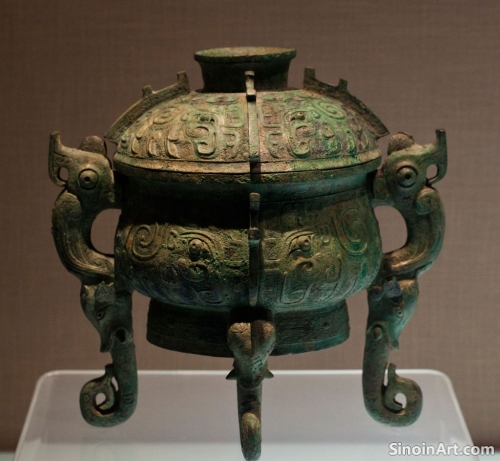 The arrangement of bronze bells in sets, known as bianzhong, allowed for the performance of complex musical compositions, incorporating both melodic and harmonic elements. The creation of these elaborate instruments was also a testament to the high value placed on music in ancient China. These sets of bells were powerful status symbols, and they were also powerful tools for creating a more engaging ritual experience. 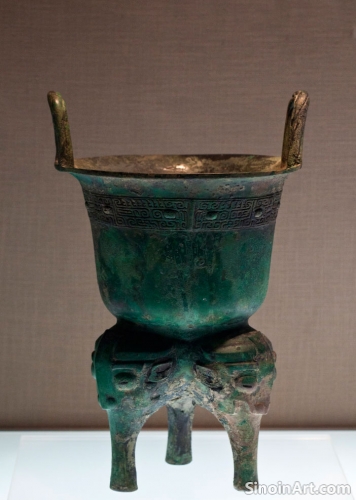 The exploration of tonality and harmony through bronze instruments also reflects a desire to connect with the natural order of the universe, with music often seen as a way to harmonize human experience with the cosmos. The understanding of harmony in music also had strong connections with philosophical and religious beliefs. The interplay between music and cosmology is a key element in ancient Chinese culture. |
Tag : bronze musical instruments, Chinese music theory, ancient tuning, harmony, bianzhong bells
Related information
- The Influence of Ancient Chinese Bronze Ware on Later Korean Art and Design
- The Challenge of Authenticating Ancient Chinese Bronze Ware: Forgeries and Expertise
- Bronze Ware and Ancient Chinese Concepts of the Afterlife: Journey, Protection, and Eternity
- Bronze Weapons of Ancient China: A Glimpse into Warfare and Power
- The Development of Bronze Mirrors in Ancient China: Reflecting History and Society
This article explores the influence of ancient Chinese bronze ware on later Korean art and design, highlighting the adaptation of Chinese forms and techniques, the development of unique Korean styles, and the role of cultural exchange in shaping artistic traditions.
This article discusses the challenges of authenticating ancient Chinese bronze ware, highlighting the use of visual inspection, scientific testing, stylistic analysis, and the expertise required to distinguish between genuine artifacts and forgeries.
This article explores the role of bronze ware in ancient Chinese funerary practices, highlighting the use of these objects to prepare the deceased for their journey into the afterlife, providing protection and ensuring their continued well-being in the spirit world.
This article explores the bronze weapons of ancient China, highlighting their functional and symbolic importance, the types of weapons, the technical expertise required for their creation, and the insights they provide into early Chinese warfare.
This article explores the development of bronze mirrors in ancient China, highlighting their use as functional objects, symbols of status, their role in ritual settings, and their reflection of changing social norms and artistic preferences.