The Influence of Ancient Chinese Bronze Ware on Later Korean Art and Design
|
The artistic traditions of ancient China, including the production of bronze ware, had a lasting and profound influence on the development of Korean art and design, with Korean artists and craftspeople adapting and reinterpreting Chinese styles and techniques in unique and distinctive ways, and creating their own forms of artistic expression. The interaction between these two cultures had a lasting and important impact on both. 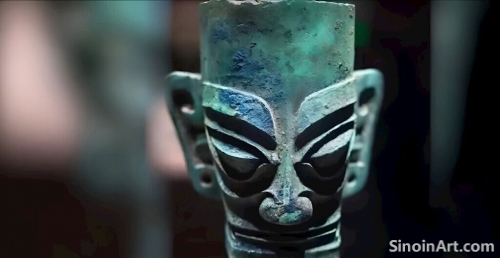 Korean bronze ware, while often inspired by Chinese prototypes, also developed its own characteristic styles, with distinct forms, designs, and decorative motifs. The blend of Chinese influence with local artistic traditions helped to create a unique Korean approach to metalworking.  The adoption of Chinese ritual practices in Korea also led to the creation of bronze vessels and instruments that were often adapted to suit the specific religious and cultural traditions of the region. The influence of Chinese ritual practice helped to define the types and styles of objects that were produced in Korea.  Korean artists also explored and expanded on some of the techniques and methods that had their origins in Chinese bronze production, adapting them to new materials and new forms, and highlighting a willingness to experiment with new approaches and new design techniques. The careful study and adaptation of these techniques helped to create new possibilities and further define Korean approaches to art and craft. The study of bronze ware in Korea provides a unique perspective on the process of cultural exchange and adaptation, and it reveals how artistic traditions can be both preserved and also transformed in new and creative ways. The legacy of Chinese influence on Korean art demonstrates the complex interplay of cross-cultural exchange and the creation of truly unique and compelling artistic styles. |
Tag : Korean bronze art, Chinese influence, cultural exchange, ancient designs, Korean metalworking
Related information
- The Use of Bronze in Ancient Chinese Ritual Masks: Power, Transformation, and the Spirit World
- Bronze Ware and the Rise of Cities in Ancient China: Power, Trade, and Urban Centers
- The Influence of Zhou Dynasty Ritual Bronzes on Later Chinese Art and Culture
- The Impact of Bronze Ware on Ancient Chinese Ritual Practices: Sacrifices, Offerings, and Performances
- Bronze Ware and Ancient Chinese Mythology: Exploring the Interplay Between Myth, Art, and Ritual
This article explores the use of bronze ritual masks in ancient China, highlighting their dramatic designs, their role in invoking spirits, and how the act of wearing these masks facilitated transformation and connection with the spirit world.
This article explores the connection between bronze ware and the rise of cities in ancient China, highlighting its role in economic activity, the concentration of wealth, the reinforcement of power, and the cultural flourishing of urban centers.
This article explores the lasting influence of Zhou Dynasty ritual bronzes on later Chinese art and culture, highlighting their impact on forms, designs, the importance of inscriptions, and the continued relevance of ritual and ancestral veneration.
This article explores the impact of bronze ware on ancient Chinese ritual practices, highlighting their use in sacrifices, offerings, and performances, and demonstrating their importance in connecting the earthly world with the realms of gods and spirits.
This article explores the use of mythological imagery on Chinese bronze ware, highlighting the depiction of dragons, phoenixes, and other creatures, and how these motifs reflected ancient beliefs and helped to connect the earthly world with the spiritual realms.