Bronze Ware and Ancient Chinese Concepts of the Afterlife: Journey, Protection, and Eternity
|
Bronze objects played a prominent role in ancient Chinese funerary practices, reflecting complex beliefs about the afterlife and the need to prepare the deceased for their journey into the spirit world, a journey that would last for eternity. The inclusion of bronze objects in burials was designed to create a continuity between the worlds of the living and the dead. The power and beauty of bronze also served to connect the living with their departed ancestors.  Bronze ritual vessels, weapons, mirrors, and other objects were often included as grave goods, believed to provide the deceased with the resources and protection that they would need in their new existence. The selection of specific artifacts for inclusion in burials was not accidental, and was a direct reflection of the beliefs of the people at this time. These objects were often highly symbolic and were intended to provide specific benefits for the afterlife. 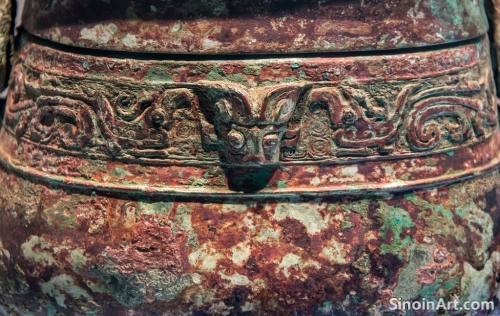 The inscriptions on some bronze objects placed in tombs often included prayers, blessings, and other messages, seeking to ensure the safety and well-being of the deceased in the spirit world. The combination of image, form, and text helped to give these works a powerful spiritual meaning. The addition of inscriptions to these objects further enhanced their spiritual significance. 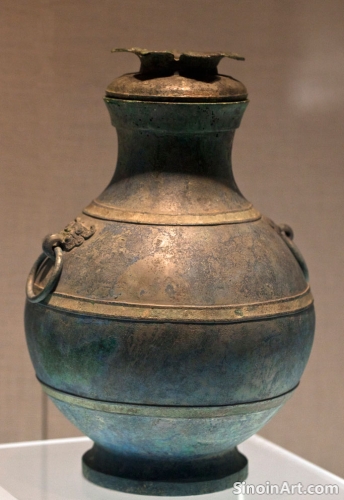 The use of bronze in funerary practices underscores the belief that life continues beyond death, with the material objects serving to bridge the worlds of the living and the deceased, helping to connect the past and the present. These objects served as a direct connection with the world of the departed. |
Tag : bronze afterlife, Chinese burials, funerary objects, tomb artifacts, spiritual journey
Related information
- The Use of Bronze in Ancient Chinese Water Management Systems: Irrigation and Hydraulic Engineering
- The Impact of Bronze Ware on Ancient Chinese Burial Customs: Ritual Objects and the Afterlife Journey
- Bronze Vessels and Music Performance in Ancient China: A Multi-Sensory Experience
- Bronze Ware and the Transmission of Ancient Chinese Knowledge: Libraries, Archives, and Scholarship
- The Influence of Zhou Dynasty Ritual Bronzes on Later Chinese Art and Culture
This article explores the use of bronze in ancient Chinese water management systems, highlighting its role in irrigation, hydraulic engineering, and the creation of tools and components that helped to control and manage water resources for agriculture.
This article explores the impact of bronze ware on ancient Chinese burial customs, highlighting their role as grave goods, their connection to beliefs about the afterlife, and how they reflect the status and spiritual needs of the deceased.
This article explores the combination of bronze vessels and music in ancient Chinese ritual performance, highlighting how these combined to create a multi-sensory experience that engaged both visual and auditory senses, and enhanced the power of ritualistic ceremonies.
This article explores how bronze ware was used in the transmission of knowledge in ancient China, highlighting its role in creating records, tablets, archive labels, and other objects that helped to document, preserve, and disseminate information for future generations.
This article explores the lasting influence of Zhou Dynasty ritual bronzes on later Chinese art and culture, highlighting their impact on forms, designs, the importance of inscriptions, and the continued relevance of ritual and ancestral veneration.